
Why go
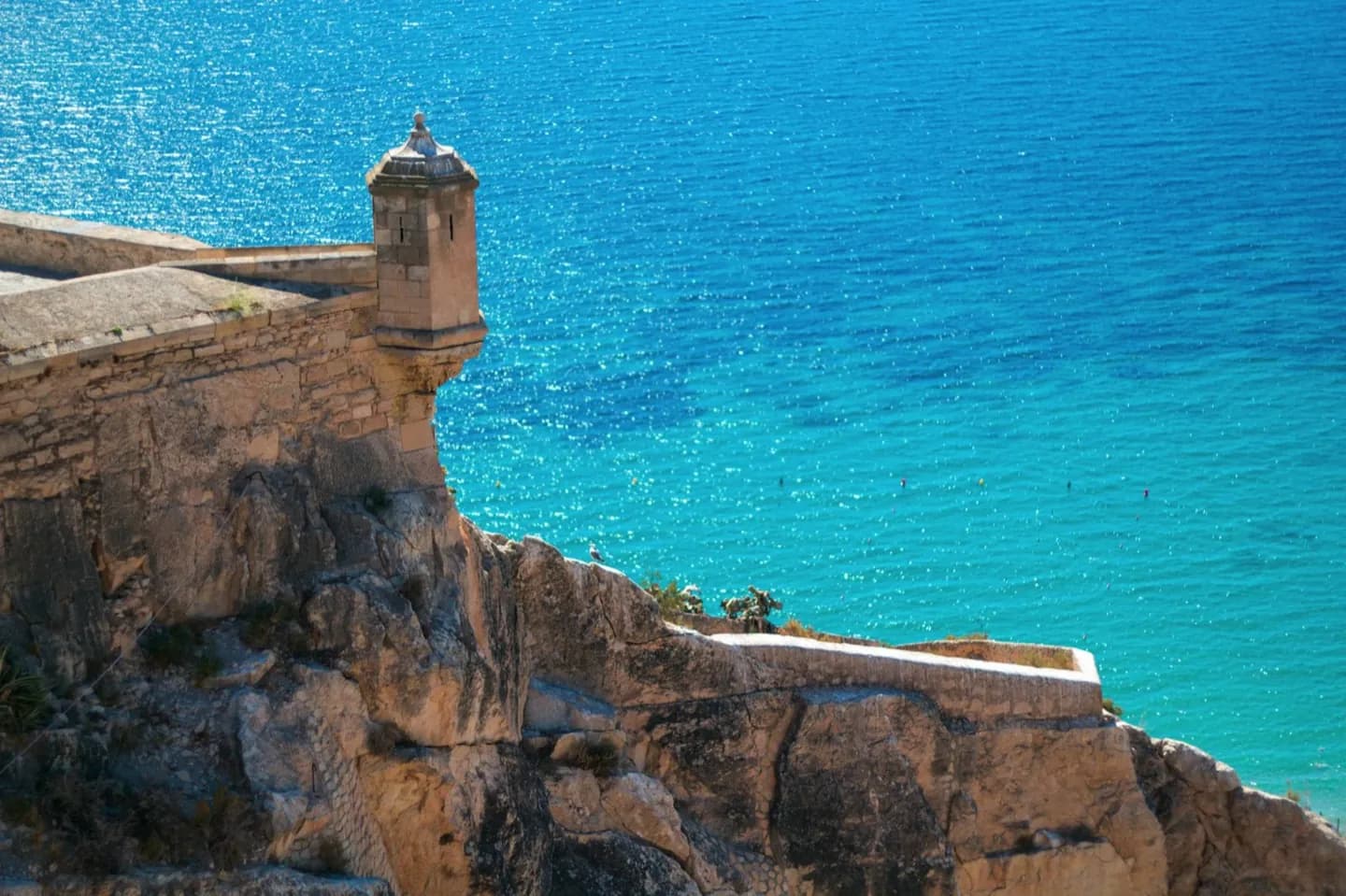
This history helps connect places that otherwise feel separate. Lucentum, Santa Bárbara Castle, the old town, Central Market and harbour each represent a different shift in power, trade or urban life. Reading them together turns the modern beach city into a much older Mediterranean settlement.
The full story
Roman rule shaped the wider region for centuries, and Lucentum became the predecessor settlement associated with modern Alicante. After the decline of Rome and Visigothic control, Muslim forces took the area in the eighth century. Medina Laqant developed beneath the fortress on Mount Benacantil, whose position controlled the bay and surrounding plain. Castilian forces captured Alicante in the 13th century, and the city later passed into the Kingdom of Valencia under James II of Aragon. Its harbour remained central as trade and military pressures changed. The 20th century left a different kind of mark. Alicante supported the Second Spanish Republic until the final days of the Civil War, and its port became a place of attempted escape. Air raids struck the city, including the devastating 1938 bombing around the Central Market. That event is remembered in Plaza 25 de Mayo, linking the working market to the city's wartime experience.