
Why go
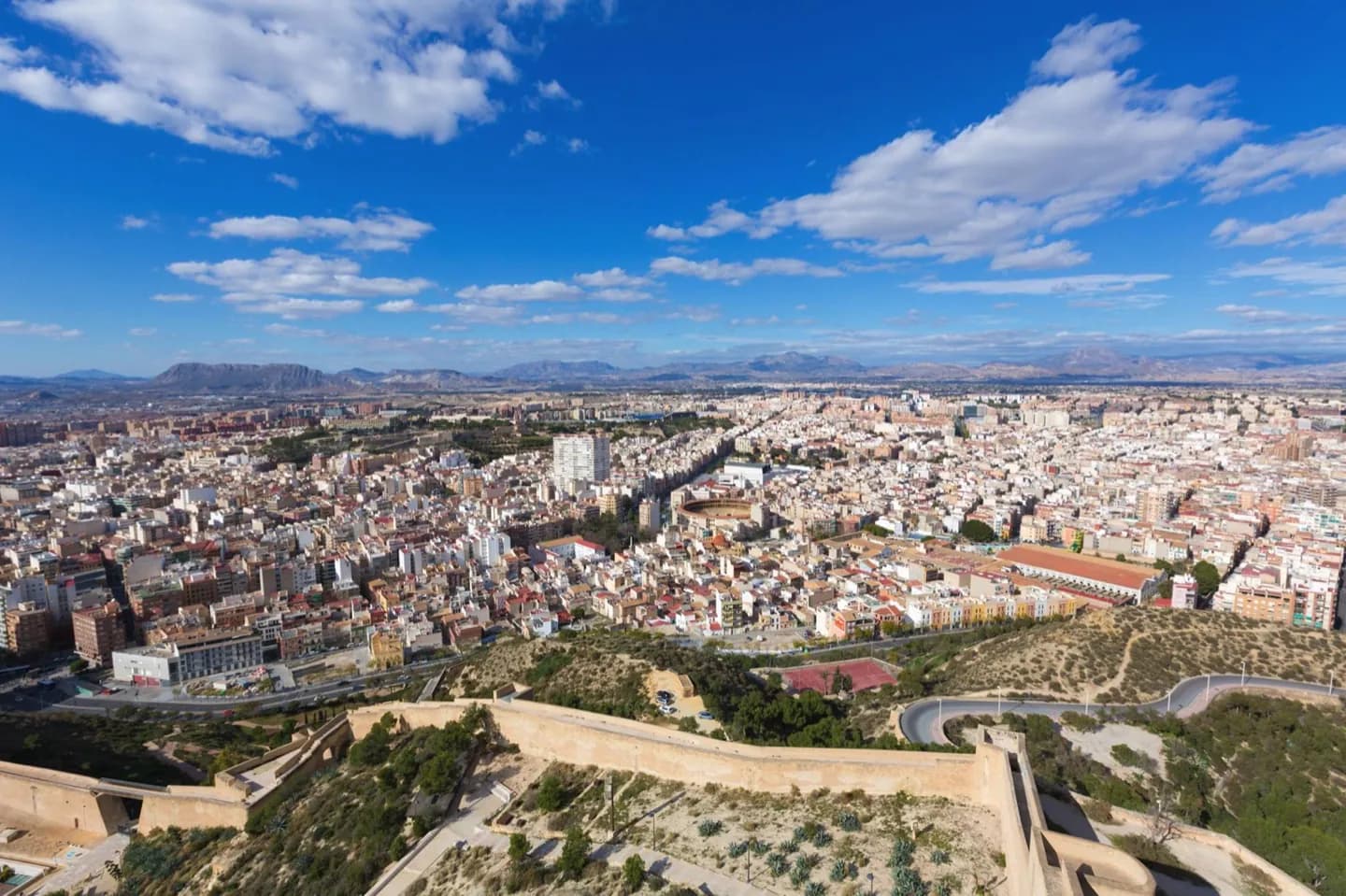
Weather changes how the city works on foot. Benacantil, castle ramparts and beaches are exposed, while museums and shaded old-town streets offer relief from summer heat. Rain is infrequent enough to surprise visitors, yet the heaviest autumn downpours deserve serious planning rather than a casual umbrella.
The full story
The sea moderates Alicante's temperatures, keeping winters relatively mild and limiting large day-to-night swings through much of the year. Summers are hot, dry and bright, which favours beach time but makes exposed climbs noticeably harder around midday. Rain falls on relatively few days and is concentrated unevenly rather than spread through the seasons. The important exception comes around the autumn transition, when Mediterranean weather systems can release very heavy rain in a short period and cause flooding. Westerly winds can also produce abrupt temperature changes, while the waterfront and castle heights feel cooler when sea winds strengthen. In practical terms, summer days benefit from an early outdoor start and an indoor middle, while autumn plans need enough flexibility to respond to warnings rather than relying on Alicante's usual dry pattern.
Useful to know
- Climb Mount Benacantil or explore the castle early, then shift to museums or shaded streets during summer heat.
- Check local weather warnings in autumn because intense rain can produce flooding and transport disruption.
- Bring a light outer layer for winter evenings and windy waterfront walks even when daytime temperatures feel mild.