
Why go
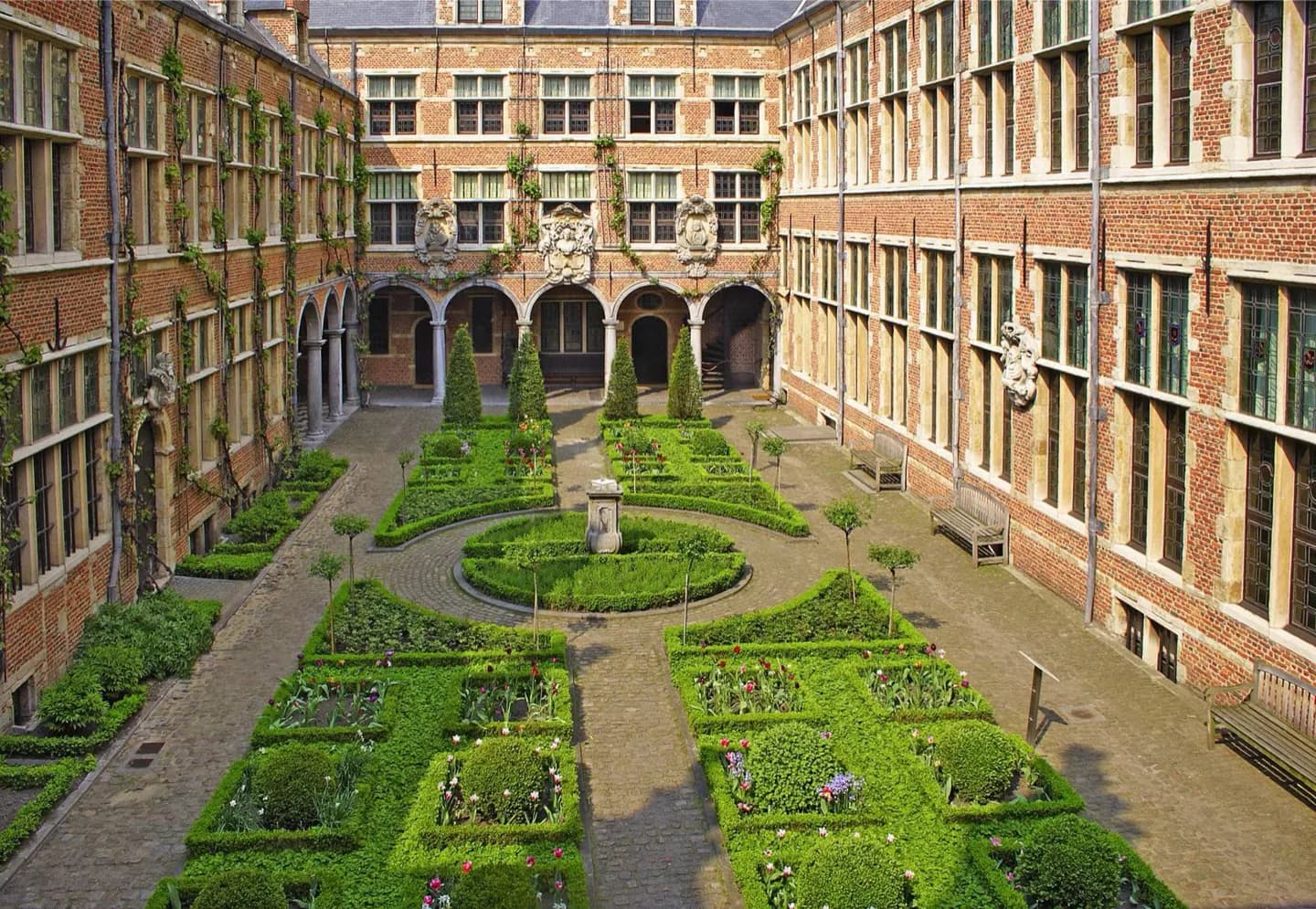
Grote Markt's City Hall and the Plantin-Moretus Museum give two tangible views of the period: public confidence and the daily work of an international publishing business. The later siege and departure of many Protestant merchants explain why the boom did not last.
The full story
As Bruges' access to the sea declined, merchants and trading houses increasingly turned to Antwerp. Goods arrived through the Scheldt and changed hands alongside credit and financial deals. The city's growth drew people and products from across Europe and beyond, making the sixteenth century a period of exceptional commercial reach. Its buildings still express that ambition. The Renaissance City Hall stands on Grote Markt, while the Plantin-Moretus property preserves a home and workshop from the world of books and printing. This was also a century of sharp tension. Economic cycles affected workers unevenly, and conflict during the Dutch Revolt disrupted the city. After the 1585 siege, many Protestant residents left for the northern provinces. Amsterdam gained trading importance as Antwerp's position weakened. The period therefore left both grand architecture and a story of rapid change. Seeing the civic square and then the printer's workshop offers a more grounded picture than any claim that Antwerp was simply a wealthy golden-age city.