
Why go
Climate changes sharply across this large continent. Northern areas have tropical conditions, much of the interior is arid or semi-arid, and the south-east and south-west are more temperate. New South Wales alone runs from a hot north-west to the Snowy Mountains, where winter brings frost and snow. Match outdoor plans to the particular region.
The full story
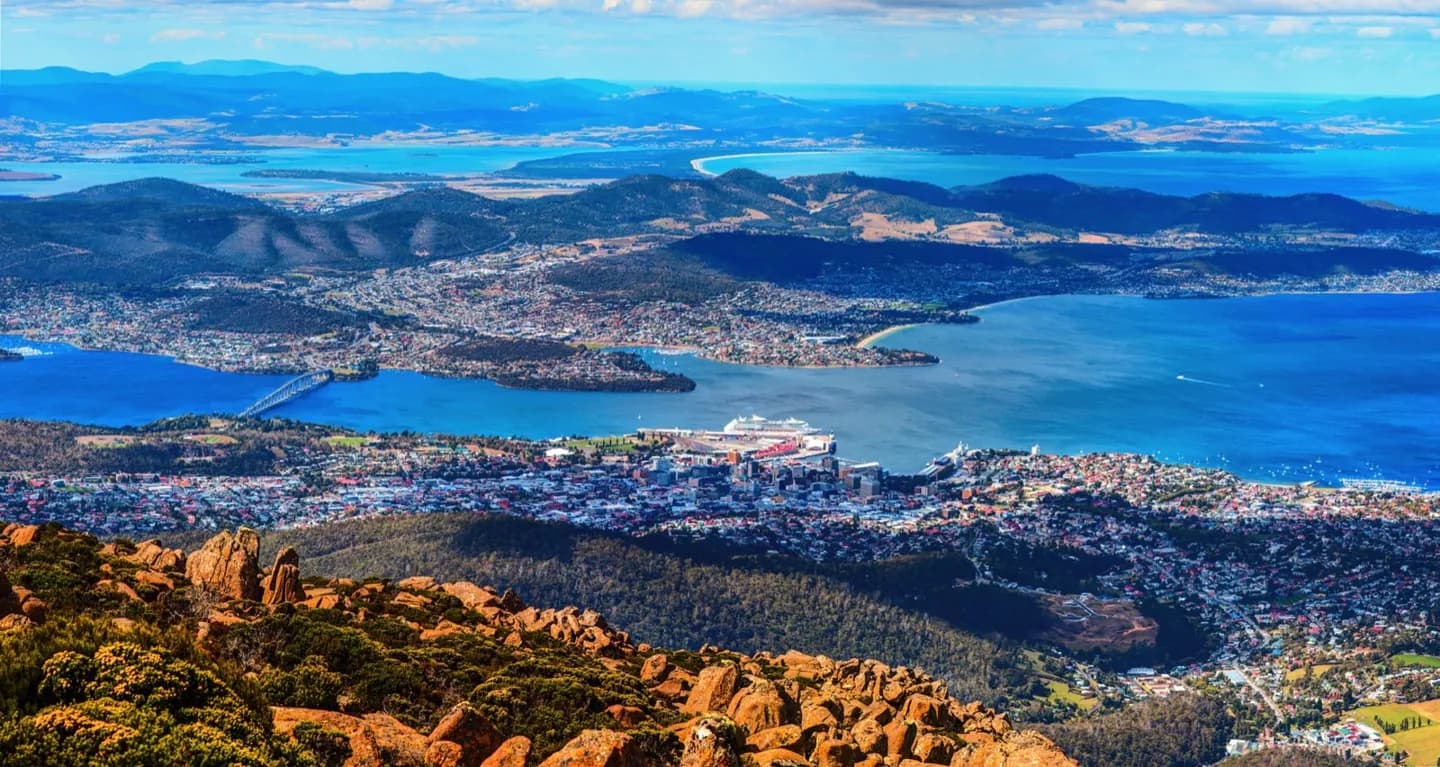
Australia's climate is shaped by distance as much as by season. The interior is largely desert or semi-arid, while the south-east and south-west have more temperate conditions. The north includes tropical rainforest, grassland and dry country. Rainfall shifts with the seasons and can vary greatly from year to year; long droughts and notably wet periods are both part of the national climate pattern. The variation appears within individual states too. In New South Wales, the north-west is hotter than the south, while the Snowy Mountains have prolonged winter frost and snow. Tasmania's west and north-west receive more rain than its drier eastern and central areas. This is why a forecast for one capital tells you little about a distant coast, inland stop or mountain walk. Use the climate zones as a starting point, then check conditions at each destination before choosing an exposed outing.
Useful to know
- Check the forecast for each region on a multi-stop trip; conditions in the tropical north do not describe the temperate south.
- Pack for cold conditions if the Snowy Mountains are part of a winter route, even when other stops are warm.
- Keep outdoor plans flexible where seasonal rain, drought or heat could change the day.