
Why go
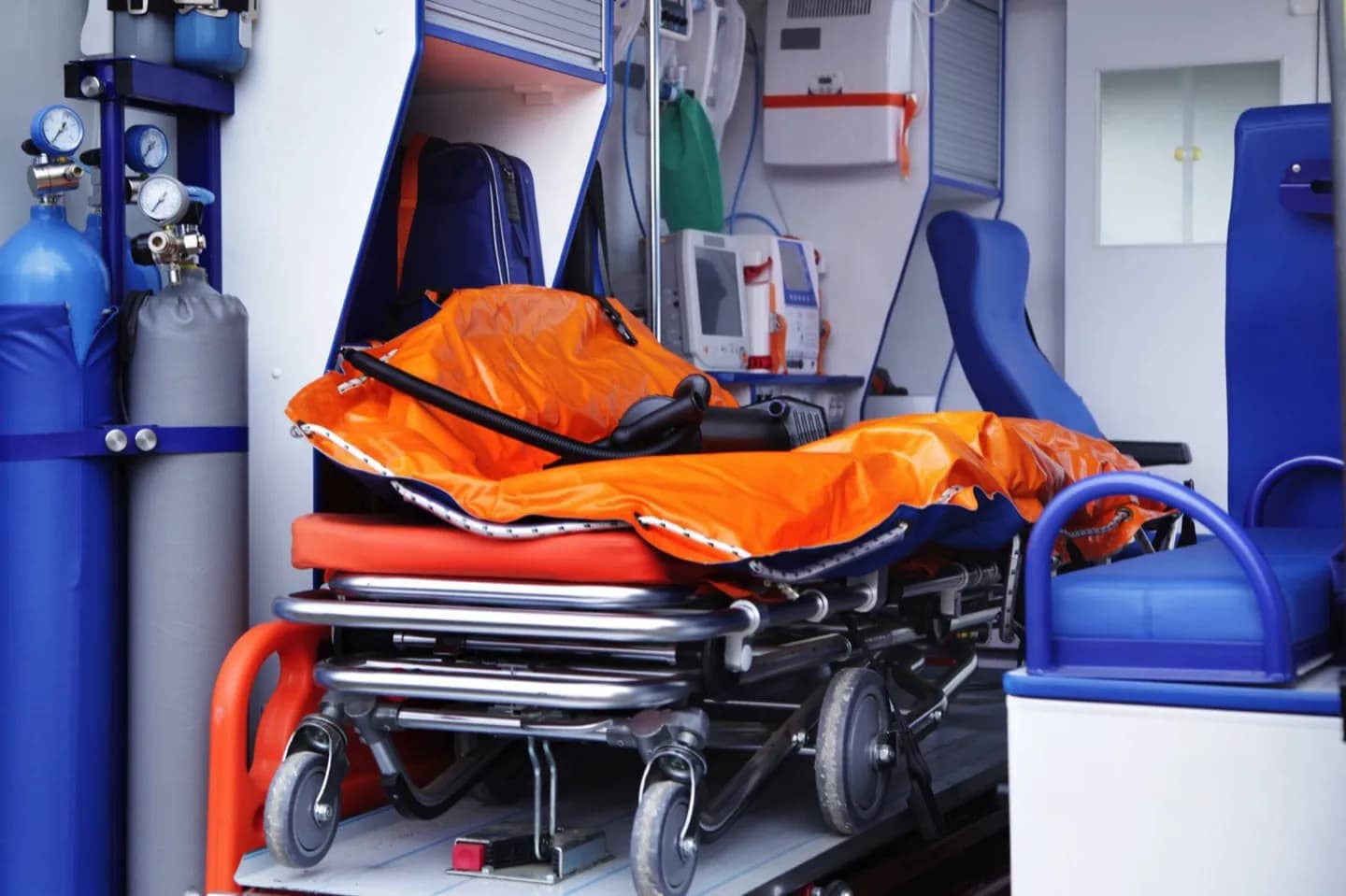
A small amount of planning protects time and options. Travelers should arrange insurance, routine medicines and professional vaccination advice before departure, then manage hydration, sun and mosquito exposure on the island. Serious illness or trauma may require transfer to a larger facility.
The full story
Consult a qualified travel-health professional well before departure for advice based on your medical history, itinerary and current public-health guidance. Bring enough prescription medicine in original packaging and carry a copy of the prescription. Use safe drinking water, wash hands and choose food that is freshly cooked and served hot. Heat and humidity can cause rapid dehydration, especially on exposed temple stairs, rice-field walks or boat days; drink regularly and use sun protection. Mosquito-borne illness is a risk, so apply repellent, cover skin when practical and use screened or air-conditioned rooms. Avoid contact with unfamiliar dogs, monkeys and bats because bites and scratches require urgent medical assessment. Medical facilities are strongest in southern Bali and thinner in remote areas or islands. Travel insurance should cover hospitalization, evacuation and the activities you plan, including scooter riding, diving or high-altitude trekking where relevant.
Useful to know
- Arrange individualized travel-health advice and insurance before departure rather than relying on general destination lists.
- Seek prompt professional care after any animal bite, serious dehydration, breathing difficulty, persistent fever or major injury.