
Why go
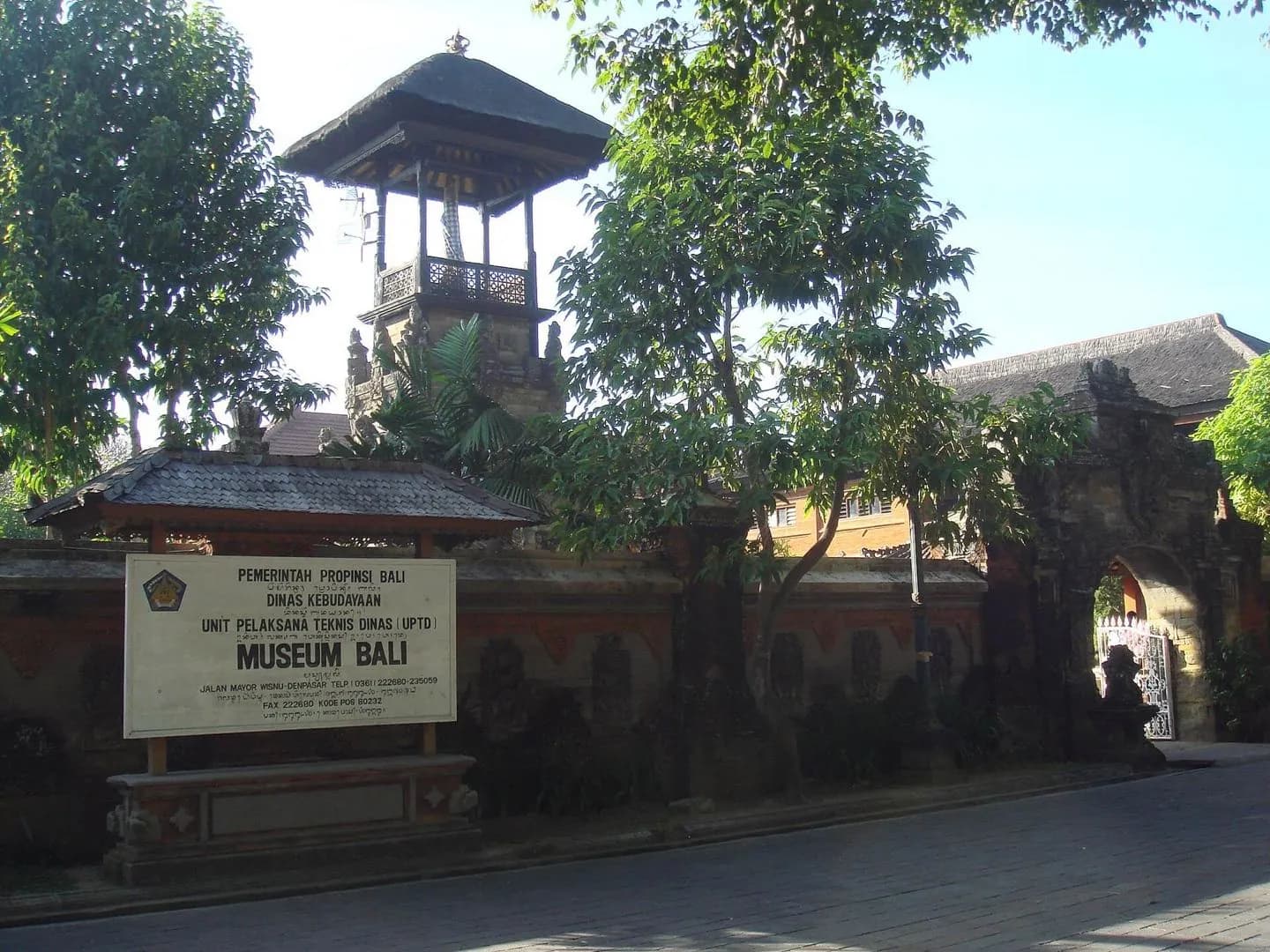
The museum gives durable context for objects seen later in temples, performances and family compounds. Its architecture is part of the visit, not just a shell for display. Pair it with Puputan Square and nearby civic sites rather than crossing Denpasar repeatedly for isolated stops.
What to look for
- Courtyard pavilions echo forms used in Balinese palaces and temples.
- Collections connect prehistoric finds with later ritual and artistic traditions.
- The location beside Puputan Square ties museum interpretation to Denpasar's history.
The full story
Bali Museum was created to preserve and interpret material culture at a time when objects from the island were increasingly collected and exported. Its pavilions draw on regional architectural forms, so moving through courtyards is part of understanding the collection. Displays bring together archaeology, ceremonial objects, textiles, sculpture and everyday tools from different parts of Bali. The arrangement does not provide one simple chronological story, but it gives visitors a vocabulary for later encounters: temple gateways, masks, woven cloth, agricultural equipment and ritual containers become easier to distinguish. The museum stands beside Puputan Square, where the memory of the 1906 confrontation with Dutch forces shapes the civic landscape. Read the museum and square together rather than treating the collections as detached from Denpasar's political history.
Useful to know
- Verify current gallery hours before visiting; individual pavilions may not all be open.
- Combine the museum with nearby central sites on foot where conditions allow.
Your next visit
Estimated · Declared scenario and planning estimates; no live opening, weather, queue or booking service.
Outdoor visit · 60–90 min
World planning estimate; admission, opening, visit duration and access need checking.