
Why go
The museum offers an unusually direct view of how medicine studies the human body, disease and causes of death. Its depth is considerable, but many exhibits are graphic and better suited to prepared adult visitors. Its focus on pathology and forensic medicine means the content is best chosen deliberately, not encountered casually.
What to look for
- Compare the distinct approaches of the pathology, anatomy and forensic collections.
- Examine how preserved organs are used to teach anatomy and congenital conditions.
- Move from medical evidence to the prehistoric and archaeological collection.
The full story
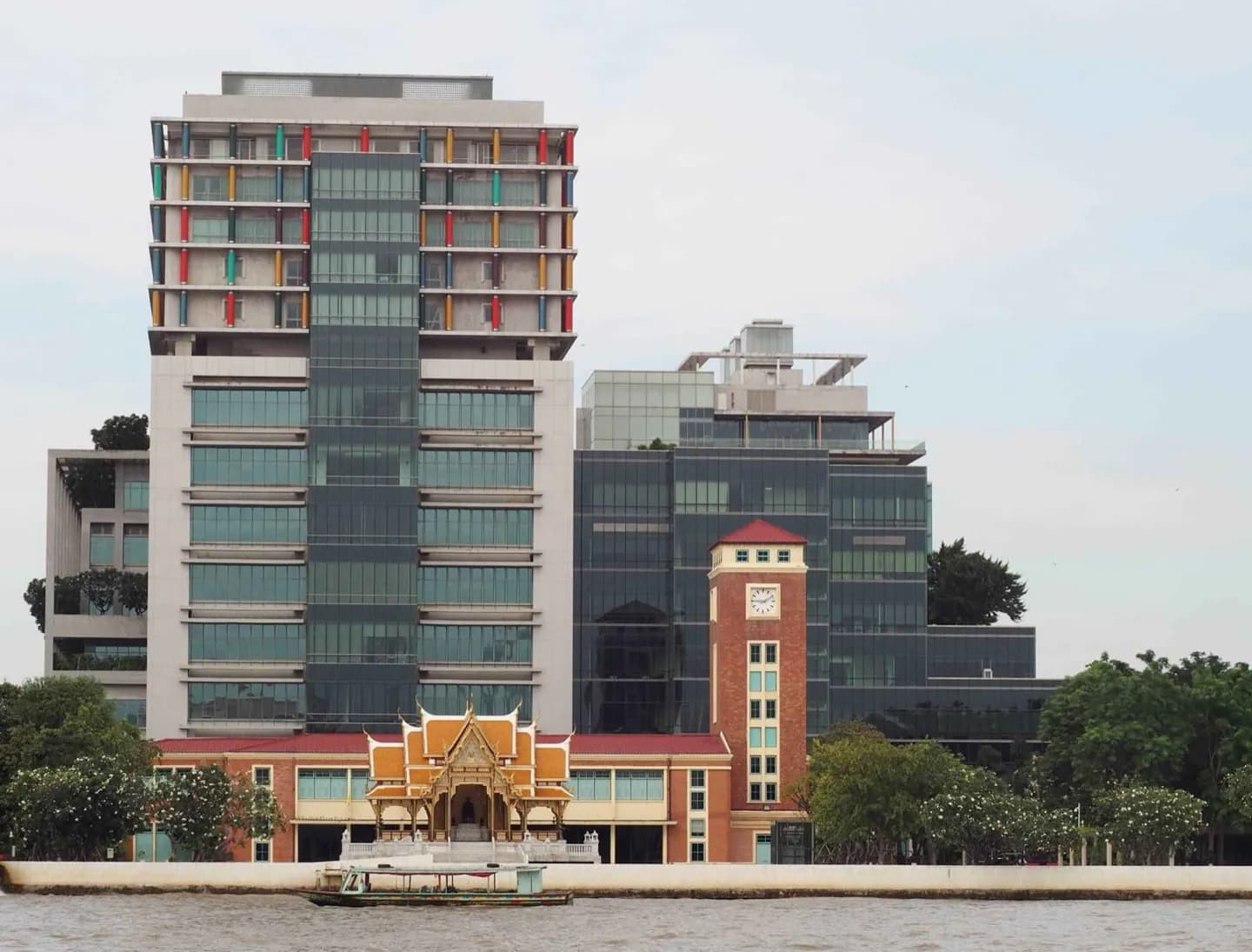
Siriraj Medical Museum brings together five collections with different teaching purposes. The Ellis Pathological Museum addresses disease and congenital anomalies, including heart disease and cancer. The Congdon Anatomical Museum contains more than two thousand organs and anatomical specimens used to study the body’s structures. A collection named for Sood Sangvichien turns toward prehistory and archaeology, while the Parasitology Museum examines organisms that affect human health. The Songkran Niyomsane Forensic Medicine Museum uses evidence connected with injury and death. Together, these collections reflect the museum’s place within a hospital and medical school: the material was assembled for observation, comparison and instruction rather than conventional entertainment. That purpose also explains the emotional intensity of the visit. Preserved organs, pathological conditions and forensic specimens can be confronting. Visitors should make an informed choice before entering and verify current access, because present opening arrangements remain unconfirmed.
Useful to know
- Expect graphic human specimens and forensic material; this visit may not suit children or sensitive visitors.
- Confirm current public access and which collections are open before going to the hospital campus.
- Allow time for several separate collections rather than expecting one compact gallery.
Your next visit
Estimated · Declared scenario and planning estimates; no live opening, weather, queue or booking service.
Outdoor visit · 30–45 min
World planning estimate; admission, opening, visit duration and access need checking.