
Why go
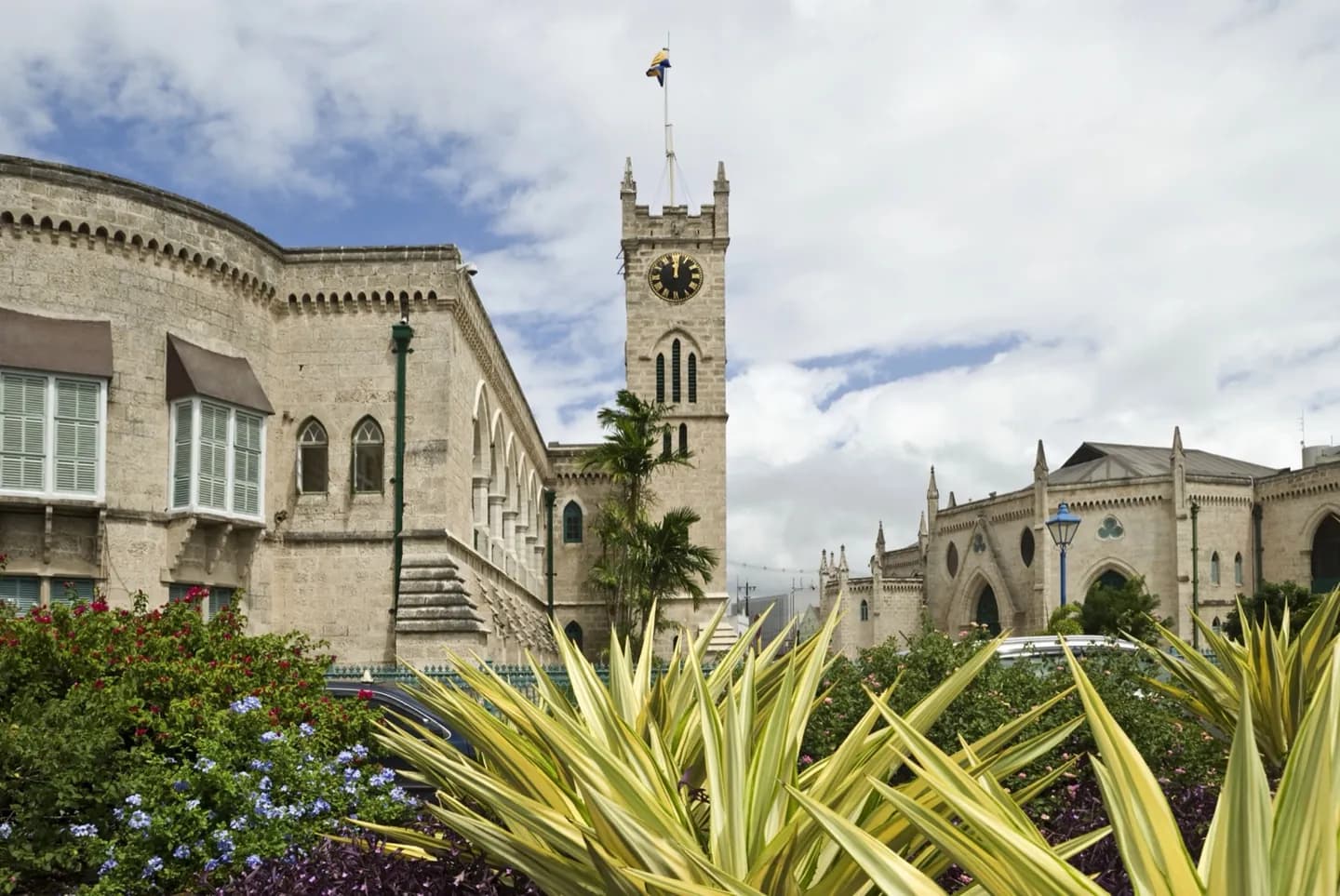
An assembly existed in the colonial period, but its early power belonged to a small group of landowning men. Enslaved Africans and many other residents had no political voice in that system. Emancipation and later reforms broadened participation over time, and independence in 1966 changed Barbados's relationship with Britain. The history adds useful context to Bridgetown's government buildings: their continuity is real, but so is the long struggle over who could take part in governing the island.
The full story
Barbados developed an assembly during the early centuries of British colonisation. It drew on British parliamentary practice, but it did not represent the whole population. Planters who owned land and profited from sugar held political authority while enslaved Africans were denied freedom and a voice in government. The end of slavery in the nineteenth century was a major change, though political equality did not follow at once. Through later reforms, a much wider share of Barbadians gained a role in public life. Independence in 1966 gave the island its own national government after centuries of colonial rule. This history is visible in the civic landscape of Bridgetown, where older institutions sit within a city shaped by trade, sugar and empire. A building's age is only part of the story. Ask who could enter its politics at different times, and who was excluded, to understand the significance of Barbados's parliamentary tradition.