
Why go
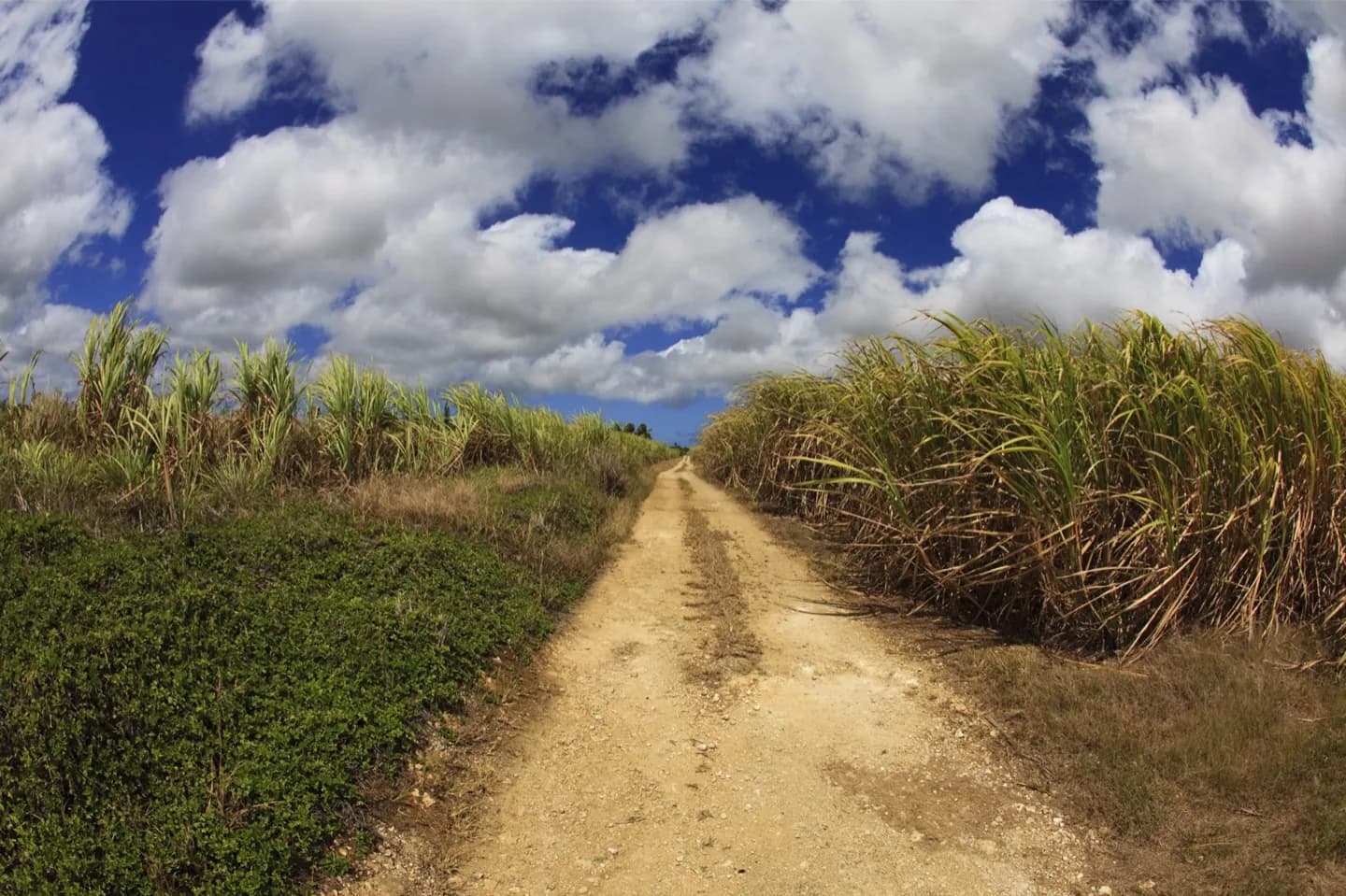
A plantation landscape can look orderly without showing how it was made. This chapter names the land concentration and forced labour behind the sugar industry. It also looks beyond cane cutting: enslaved people raised food, cared for others, maintained estates and managed soil. That fuller view matters when visiting former mills, estates or museums concerned with Barbadian history.
The full story
Sugar cane became a major commercial crop in the 1640s. Large estates replaced many smaller farms as wealthy planters gained land. The plantations required heavy labour, and enslaved Africans were brought to Barbados in growing numbers. Some estate owners lived in Britain and relied on managers to run their properties. Plantation work covered more than growing and processing cane. Enslaved people tended livestock, cultivated provisions, cared for others, maintained buildings and used their knowledge of soil and crops. These skills were vital to the estate economy even though the workers had no freedom to leave it. Britain ended the slave trade in 1807, but slavery continued until legal abolition in 1834, followed by apprenticeship. Former sugar sites therefore tell a story of both production and coercion. Look for the relationship between fields, processing buildings and the social structure that made the industry profitable.