Tours & Travel

From the Barbados World / Stories

Why Barbados protects its water and reefs

Porous limestone links what happens on land to Barbados's groundwater and coast. Protecting aquifers, reefs and turtle nesting beaches is part of understanding the island's environment.

Why Barbados protects its water and reefs

Why go

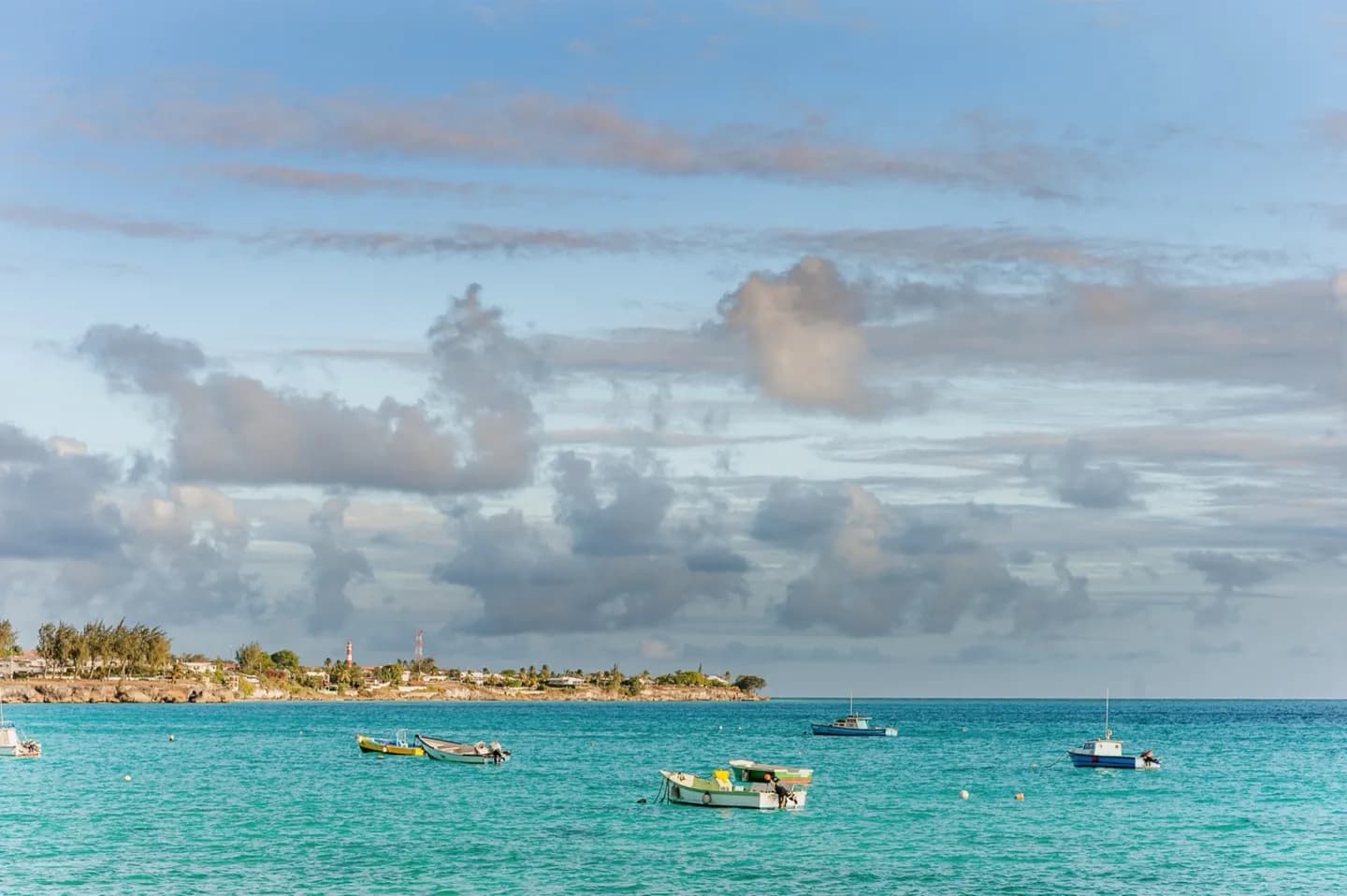
Rainwater can pass through limestone into underground water sources, making catchment areas important beyond the places a visitor can see. Offshore, reefs face pressure from activity on land and at sea. Sea turtles nest on Barbadian beaches, where disturbance can damage nests hidden in sand. These links make a beach visit more than a view: the sand, nearshore water and inland ground are connected. Take particular care around any marked nesting area and follow local conservation guidance.

What to look for

  • Limestone lets surface water move into underground aquifers.
  • Reefs sit just offshore from parts of Barbados.
  • Turtle nests can be hidden beneath beach sand.

Useful to know

  • Keep vehicles off beaches, especially where turtles may nest.
  • Follow signs or staff directions around protected coastal areas.

Original World content and translations, shown as supplied. Practical information may need updating.

Barbados / Tours & Travel

My day 00

Collect a few stops, adjust the time and put them in an order that works for you.

Saved in this browser, on this device. Shared across the nine languages.

Barbados, in sync.

My plans changed

Tell this moment what changed above. I will offer a new draft of My day, keeping what fits in order.

How do you feel? ↗

Loading your Barbados…

Tours & Travel / Barbados

Every city deserves a local voice.

The ambassador programme is being shaped with guides and creators. For now, explore the original World and tell us what Barbados needs next.

Talk to us about Barbados