
Why go
The city’s appeal extends beyond summer sand: museums, architecture and neighborhood walks remain central to a visit. This overview helps you weigh warmer, busier months against milder walking weather. It also explains why Catalan appears prominently on signs alongside Spanish, a useful clue when reading directions and place names.
The full story
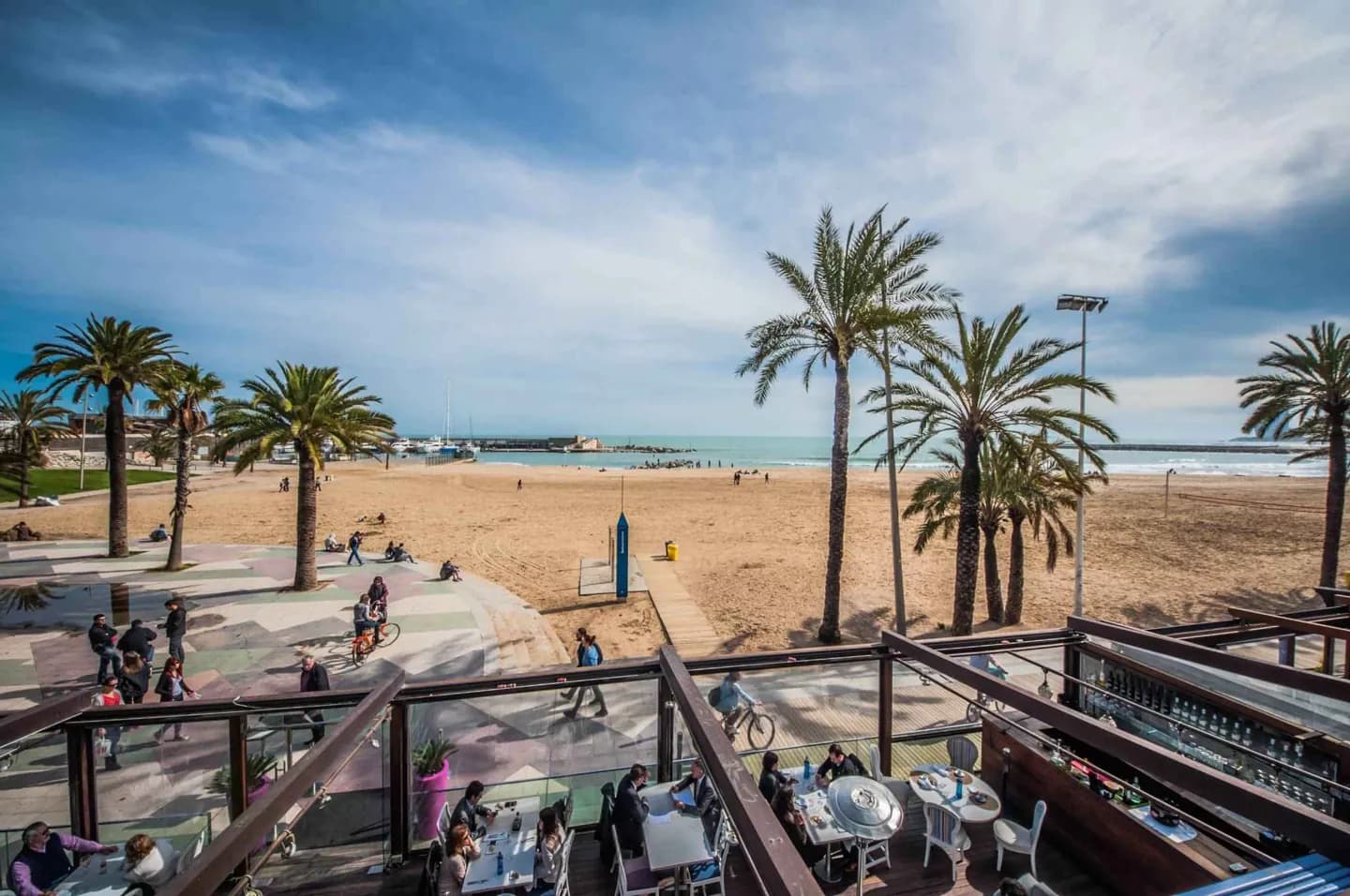
Barcelona’s beaches can round out a city day, but the older streets, churches, museums and architecture reward a different pace. If walking is a major part of your plan, the milder stretches of spring and autumn can be more comfortable than humid summer days. Winter remains an option for a city visit, though rain may affect outdoor plans. Pack for both streets and shore: beach clothes are suited to the beach, while churches and restaurants call for ordinary city dress. Catalan and Spanish are the city’s official languages. Catalan is prominent on signs, while Spanish is also used across public transport and other facilities. That distinction can help you read place names and directions without assuming every sign will be in Spanish. For a family visit, build in breaks between long walks and indoor sights rather than planning every hour around the waterfront.
Useful to know
- For a walking-heavy trip, compare spring or autumn dates with the hotter summer period.
- Bring clothes suited to churches and restaurants as well as the beach.