
Why go
Barcelona offers more than a succession of tapas bars. Recognizing a menú del migdia, a plate of bread rubbed with tomato, or a noodle-based fideuà helps you read a menu and choose a meal that reflects Catalan cooking. The distinction is useful when deciding between a quick bite and a longer lunch.
The full story
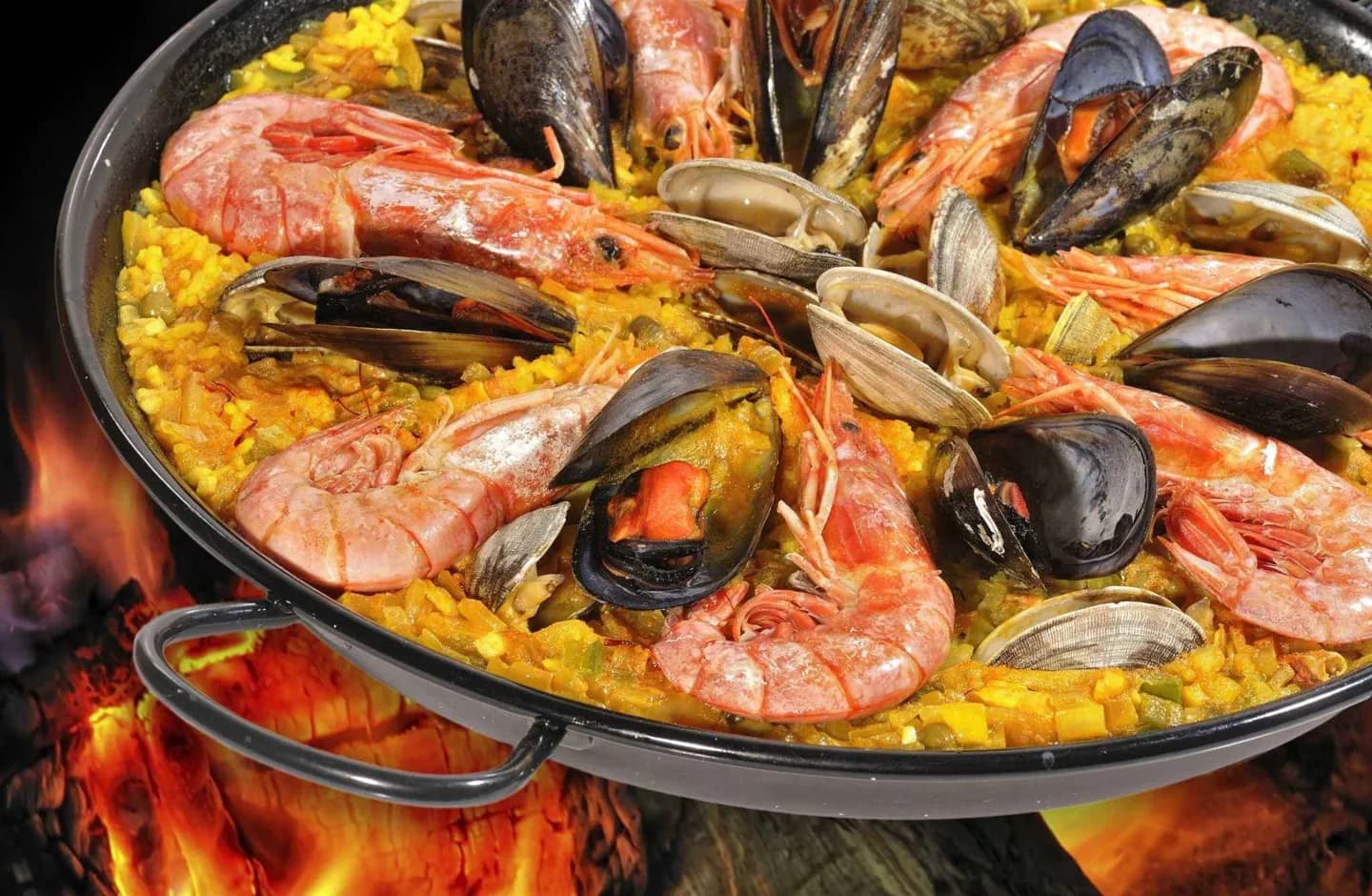
At lunch, look for menú del migdia, a set meal with a choice of courses. It gives you a way to try a restaurant’s cooking without assembling several dishes. If everyone wants an individual plate, platos combinados are another option: components arrive together rather than being shared. Allow time for lunch instead of assuming every kitchen serves a full meal throughout the afternoon. Pa amb tomàquet is bread rubbed with tomato and dressed with olive oil, often served beside cured meats or cheese. It is a simple entry into Catalan food, distinct from a plate of tapas. For a main course, compare rice dishes with fideuà, which uses short noodles. Arròs negre and fideuà negra get their dark color from squid ink. Crema catalana is a dessert to look for afterward. Near heavily visited streets, read the menu before committing. The surrounding neighborhoods offer more room to compare a Catalan set lunch with a quick snack.
Useful to know
- Check when the kitchen serves its full lunch menu before planning a late afternoon meal.
- Look for menú del migdia at lunch; ask what courses and drinks it includes.
- For a Catalan meal, compare pa amb tomàquet, fideuà and arròs negre on the menu.