
Why go
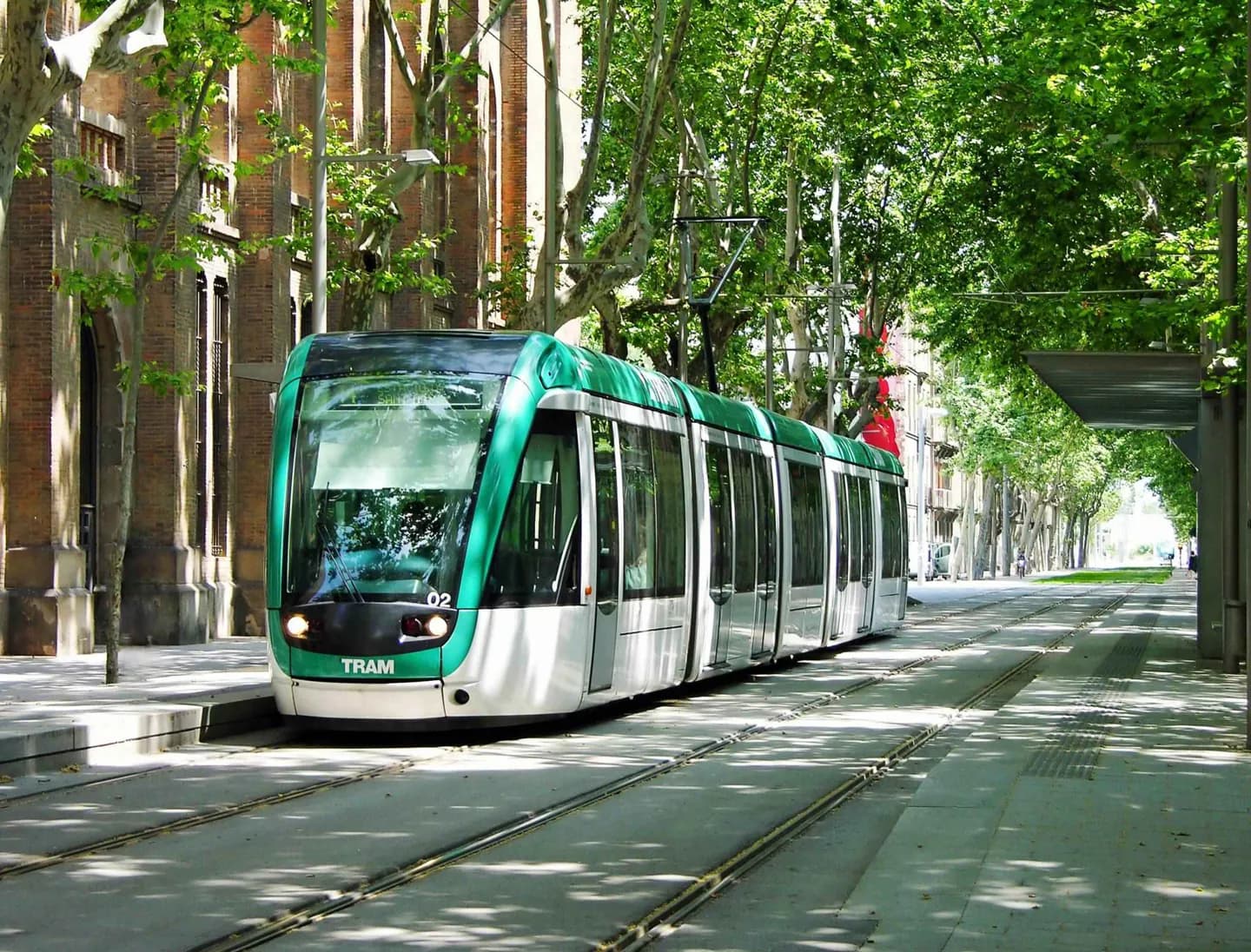
Barcelona’s transport choice depends on the shape of your day. Walking works around the Gothic Quarter and nearby streets; rail helps between larger districts, while buses can fill gaps. A car adds traffic and parking decisions to central sightseeing. This approach makes a mixed sightseeing day easier to manage.
The full story
Barcelona’s old centre is compact enough to explore through short walks, but the city extends far beyond it. The Eixample grid makes surface orientation easier once you leave the older lanes. For a day with several districts, the metro offers a direct way to cover longer distances, and buses and trams connect other corridors. That mix matters more than memorising a single route: plan a cluster of nearby sights, then make a deliberate transfer to the next area. The old centre and Eixample can be combined, but a trip that also reaches Montjuïc or an outer district has a different pace. Cycling is another way to move through parts of the city, though streets and traffic need more attention than a simple map may suggest. Driving into central Barcelona usually adds congestion and a parking decision, so it is a poor default for a sightseeing day. Service patterns and fares can change; check current operator information when a connection or ticket choice matters.
Useful to know
- Cluster nearby old-city visits before taking transit to a different district.
- Use metro or other public transport for longer hops to Eixample, Montjuïc or outer neighbourhoods.
- Check the current route and service information before relying on a specific connection.