
Why go
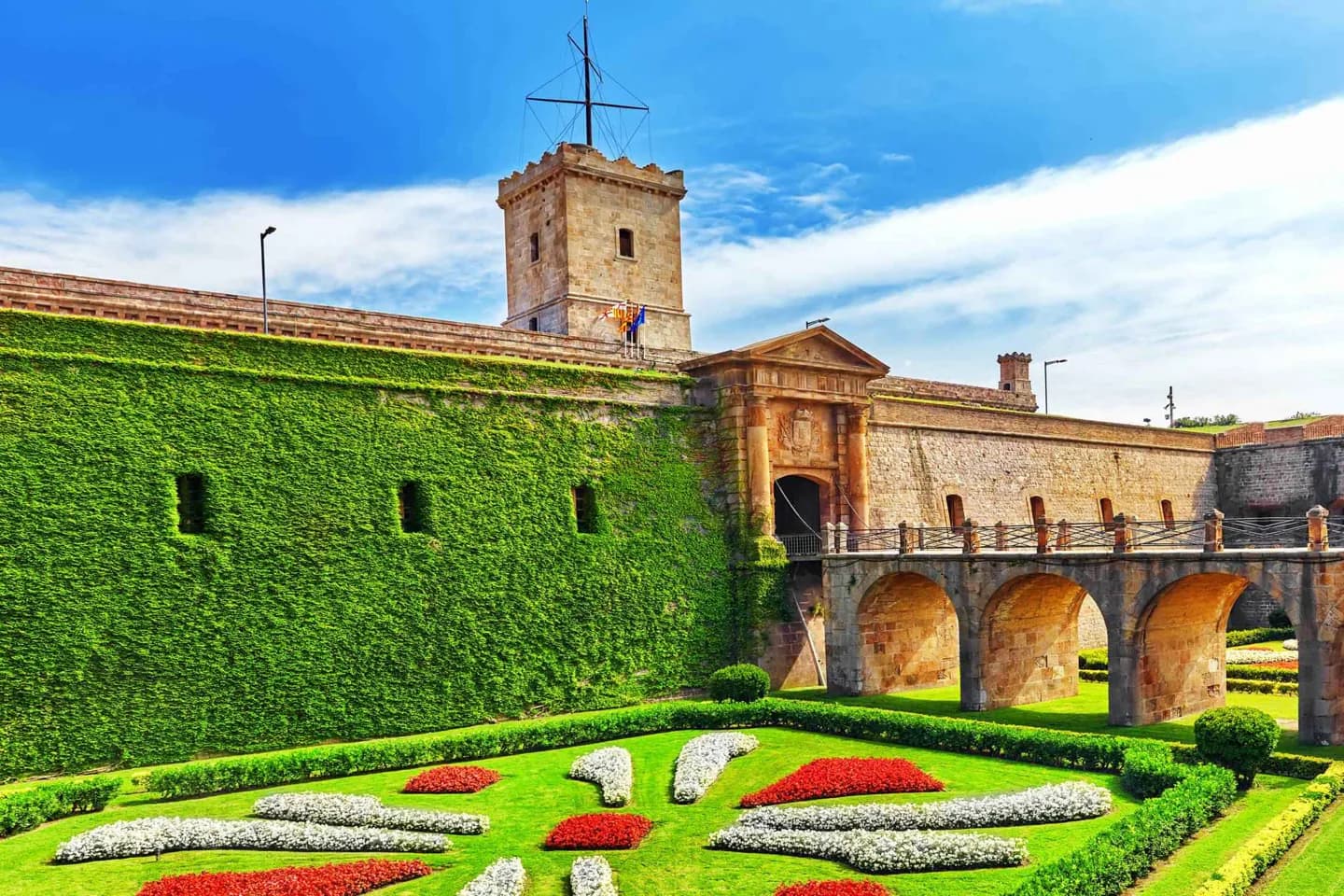
Castell de Montjuïc has watched the harbour since the seventeenth century, but its relationship with the city was often coercive. The bastions, prison history and outlook toward the port make it more than a scenic viewpoint. It suits visitors willing to give the history as much attention as the panorama.
What to look for
- The ramparts frame broad views over the port.
- Fortress walls and bastions reveal its defensive design.
- Exhibits trace the site’s military and political history.
The full story
A fortification was built on Montjuïc in 1640, and the hill’s position above the harbour made it strategically valuable. The castle took shape through later rebuilding and expansion. Its walls did not simply defend Barcelona from outside threats. After the Catalan defeat of 1714, the fortress became a symbol of control over the city; its guns were used against Barcelona, and the site later served as a prison. That history changes the meaning of the view from the ramparts. The city below was not always just scenery to the people who held the fortress. Walk the bastions with that relationship in mind, then use the exhibitions to place the military architecture in context. The port panorama and the political history belong to the same visit.
Useful to know
- Plan the castle as a hilltop stop; it is above the main museum and fountain area.
- Check current admission and exhibition access before setting out.
Your next visit
Estimated · Declared scenario and planning estimates; no live opening, weather, queue or booking service.
Outdoor visit · 30–45 min
World planning estimate; admission, opening, visit duration and access need checking.