
Why go
Understanding Beijing's scale prevents attractive names from becoming an exhausting day. The old imperial core, northern hutongs, eastern business districts and western gardens each reward different pacing, while the Central Axis explains why many historic landmarks align rather than cluster like a compact European center.
The full story
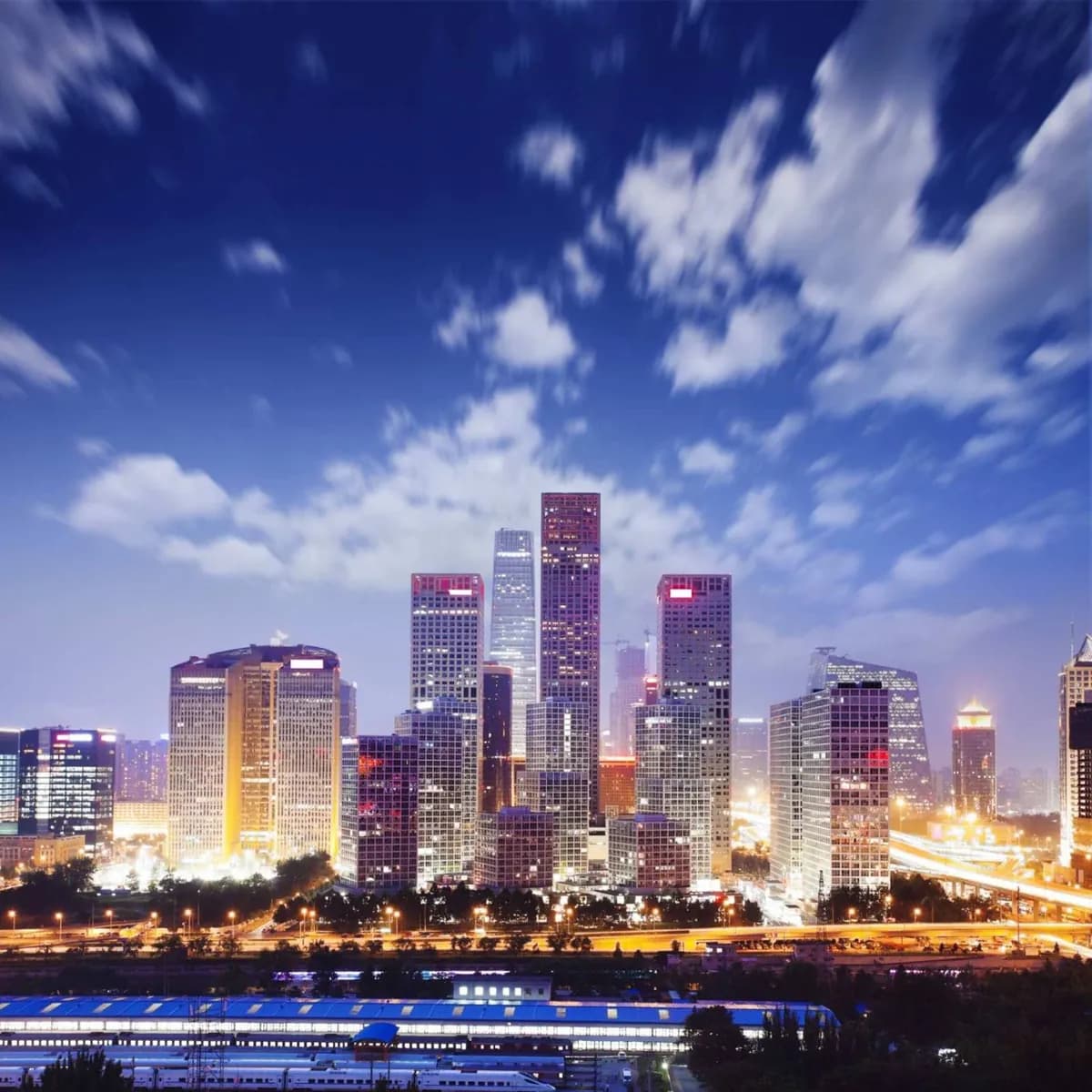
Beijing works as both an ancient planned capital and a modern metropolis. Its historic center grew around a strong north-south ceremonial line, with the imperial palace at its heart and ritual sites extending beyond it. Successive walls disappeared, but their former gates and roads still shape movement through the city. Later expansion produced broad avenues, ring roads, university districts, industrial areas and newer business centers. This growth matters to a visitor because places that appear close on a schematic map may require a long interchange or road journey. Dongcheng and Xicheng hold much of the older urban fabric. Chaoyang carries a different scale of offices, embassies and contemporary architecture, while Haidian opens toward universities and imperial gardens. Read Beijing as several connected cities, then build each day around one geographic story.