
The full story
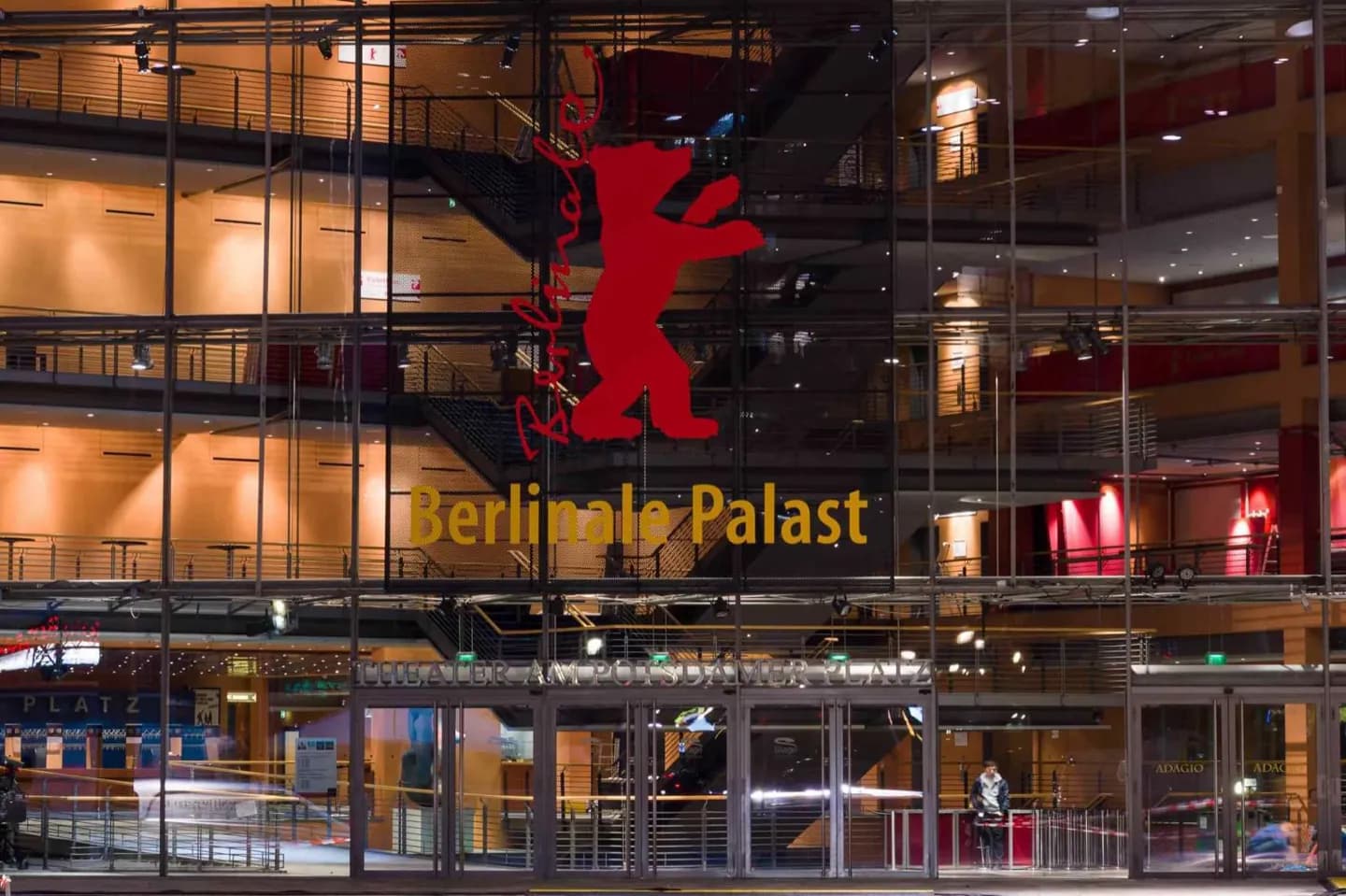
Berlin has been central to German cinema since the silent era, when studios in and around the city helped shape an international film industry. The city's streets later became both sets and historical evidence: Weimar modernity, National Socialist propaganda, wartime destruction and the division between East and West all produced distinct screen images. DEFA operated in the East, while West Berlin attracted productions drawn to its political position and architecture. After reunification, filmmakers used construction sites, surviving border spaces and changing neighbourhoods to examine the new capital. Babelsberg, just outside Berlin, remains an important production centre. For visitors, the most durable way to explore this history is through film museums, repertory cinemas and locations that can be paired with their surrounding districts. The Berlinale adds a major annual programme, but venues and tickets vary by edition and should be checked on the festival's official schedule.