
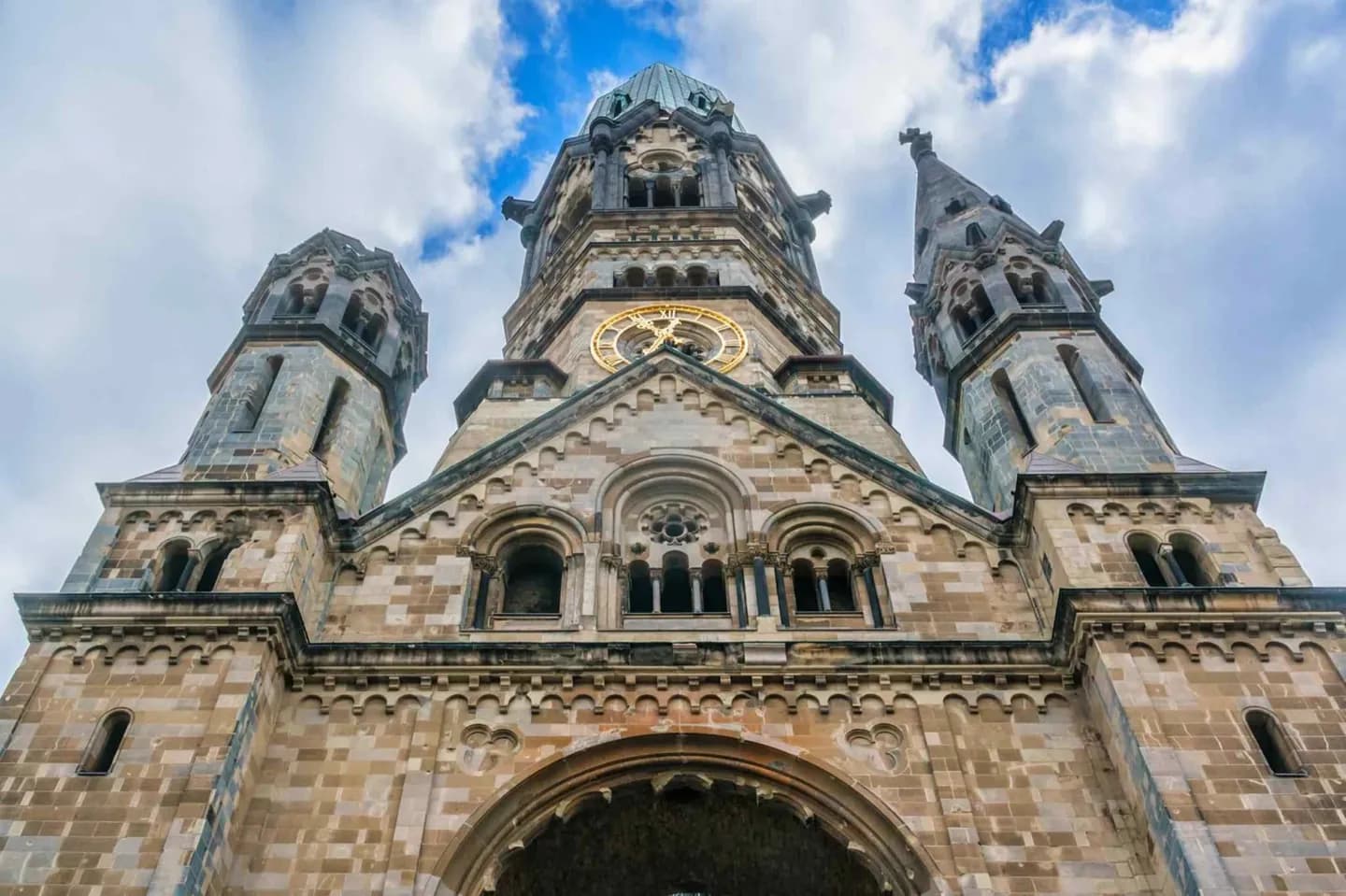
The full story
Prussia grew rapidly in the 18th and 19th century, and formed the basis of the German Empire in 1871. After 1900 Berlin became a major world city, known for its leadership roles in science, the humanities, music, museums, higher education, government, diplomacy and military affairs. It also had a role in manufacturing and finance. During World War II, it was virtually destroyed by bombing, artillery, and ferocious street-by-street fighting. It was split between the victors, and lost its world leadership roles. With the reunification of Germany in 1990, Berlin was restored as a capital and as a major world city. Etymology The origin of the name Berlin is uncertain. It may have roots in the language of West Slavic inhabitants of the area of today's Berlin, and may be related to the Old Polabian stem berl-/birl- ("swamp").Folk etymology connects the name to the German word for bear, Bär.