
Why go
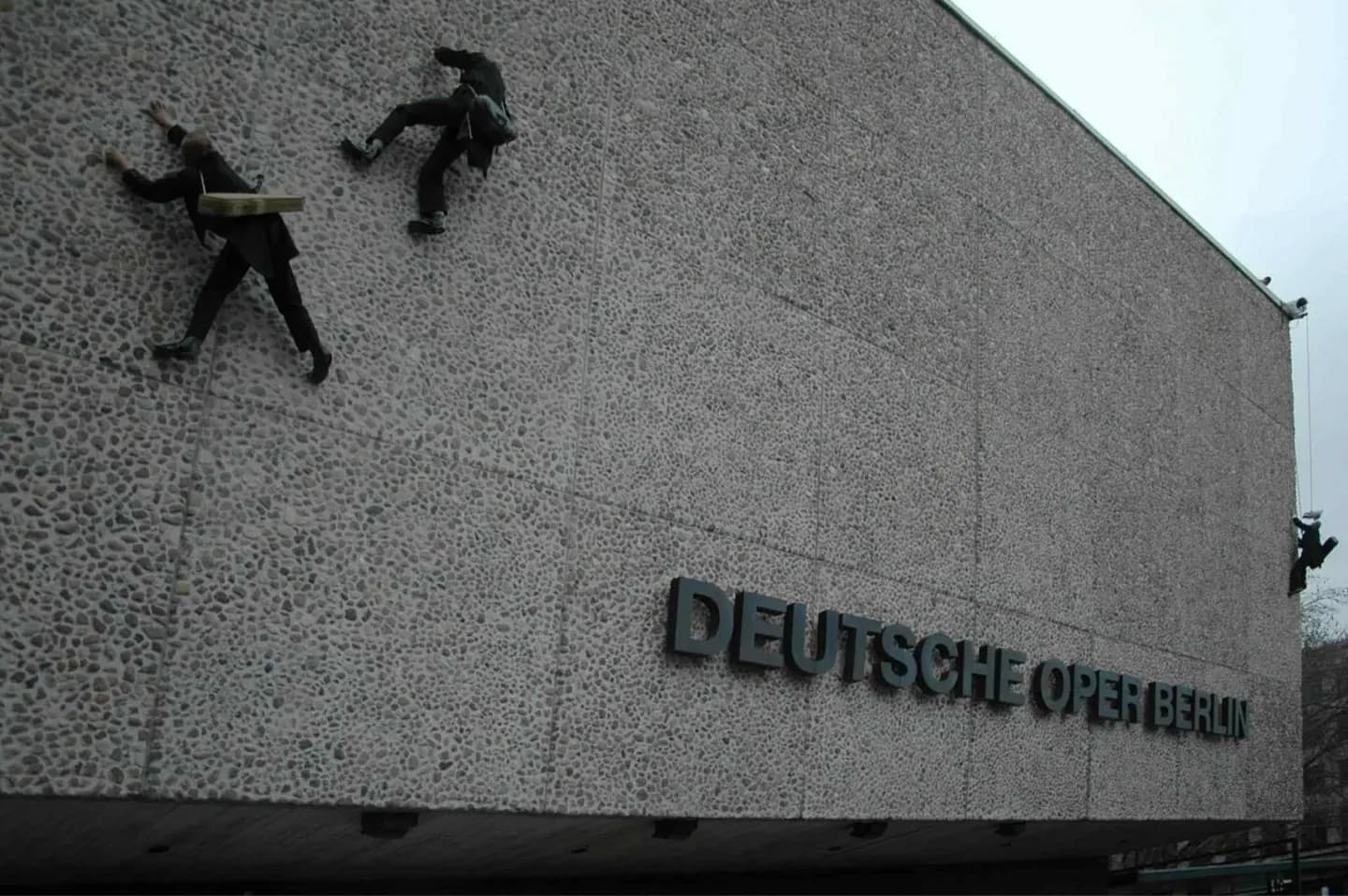
The resident building is the country's second largest opera house and also home to the Berlin State Ballet. Since 2004 the Deutsche Oper Berlin, like the Berlin State Opera, the Komische Oper Berlin, the Berlin State Ballet, and the Bühnenservice Berlin, has been a member of the Berlin Opera Foundation.
What to look for
- Fritz Bornemann's post-war opera house pairs a restrained street façade with broad foyers and an acoustically.
The full story
It opened on November 7, 1912 with a performance of Beethoven's Fidelio, conducted by Ignatz Waghalter. In 1925, after the incorporation of Charlottenburg by the 1920 Greater Berlin Act, the name of the resident building was changed to Städtische Oper (Municipal Opera). With the Nazi Machtergreifung in 1933, the opera was under control of the Reich Ministry of Public Enlightenment and Propaganda. Minister Joseph Goebbels had the name changed back to Deutsches Opernhaus, competing with the Berlin State Opera in Mitte controlled by his rival, the Prussian minister-president Hermann Göring. In 1935, the building was remodeled by Paul Baumgarten and the seating reduced from 2300 to 2098. Carl Ebert, the pre-World War II general manager, chose to emigrate from Germany rather than endorse the Nazi view of music, and went on to co-found the Glyndebourne opera festival in England.
Useful to know
- Check the current performance or guided-visit programme; ordinary daytime interior access may not be available.
- Use the exterior and surrounding square as the fallback when no event or tour fits your date.