
Why go
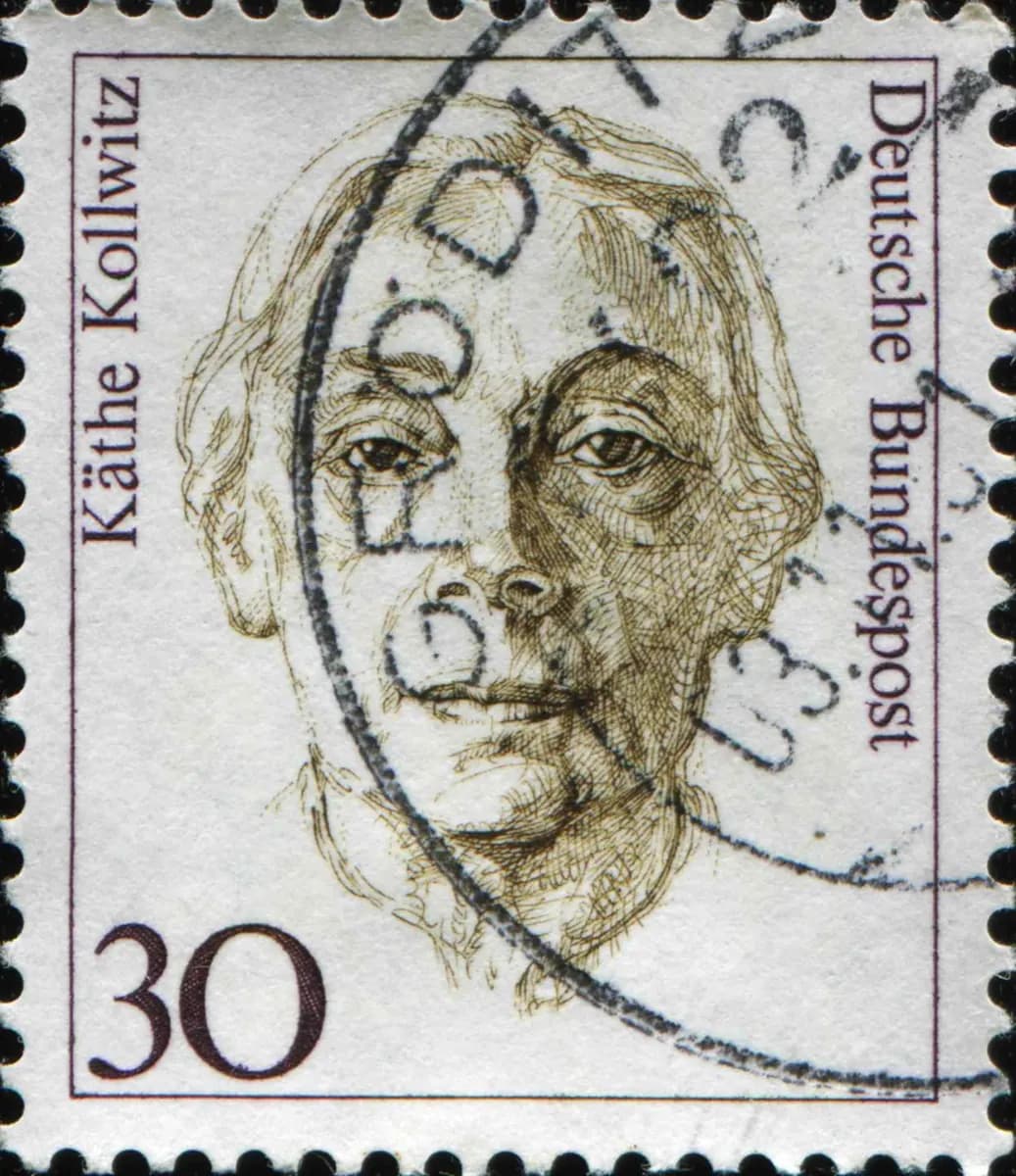
Kollwitz lived and worked in Berlin's Prenzlauer Berg for over 50 years. The museum opened in 1986, and traces its origins to the art collector Hans Pels-Leusden (d.1993). Pels-Leusden had been collecting the artist's works since 1950, and created his first Kollwitz exhibition in 1965.
What to look for
- The Theaterbau galleries concentrate on Kollwitz's prints, drawings and sculpture, with close attention to working.
The full story
He endowed 95 printed graphics, 40 drawings and 10 original posters to the museum. The museum now owns over 200 works, including prints, drawings, posters, sculptures and woodcuts. Highlights include the lithograph Brot! (1924), the self-portraits, the woodcut cycle Krieg (1922/23), works on the theme of death, and a woodcut in remembrance of Karl Liebknecht (1919/1920). The upper floor contains a 2.1-metre-high sculpture of Kollwitz by Gustav Seitz. There are special exhibitions roughly twice a year. The museum is located on Fasanenstraße, in a villa from 1871 featuring late-classicist modifications from 1897. The building was partly destroyed during the Second World War, and not fully restored until the 1980s. It now forms part of the so-called Wintergartenensemble, together with the nearby Literaturhaus Berlin (including the Café Wintergarten) and the Villa Grisebach.
Useful to know
- Verify current opening hours, closures and timed-entry rules on the official visitor page before setting out.
- Allow extra time for security or ticketing when the visit includes an interior collection or viewing platform.