
Why go
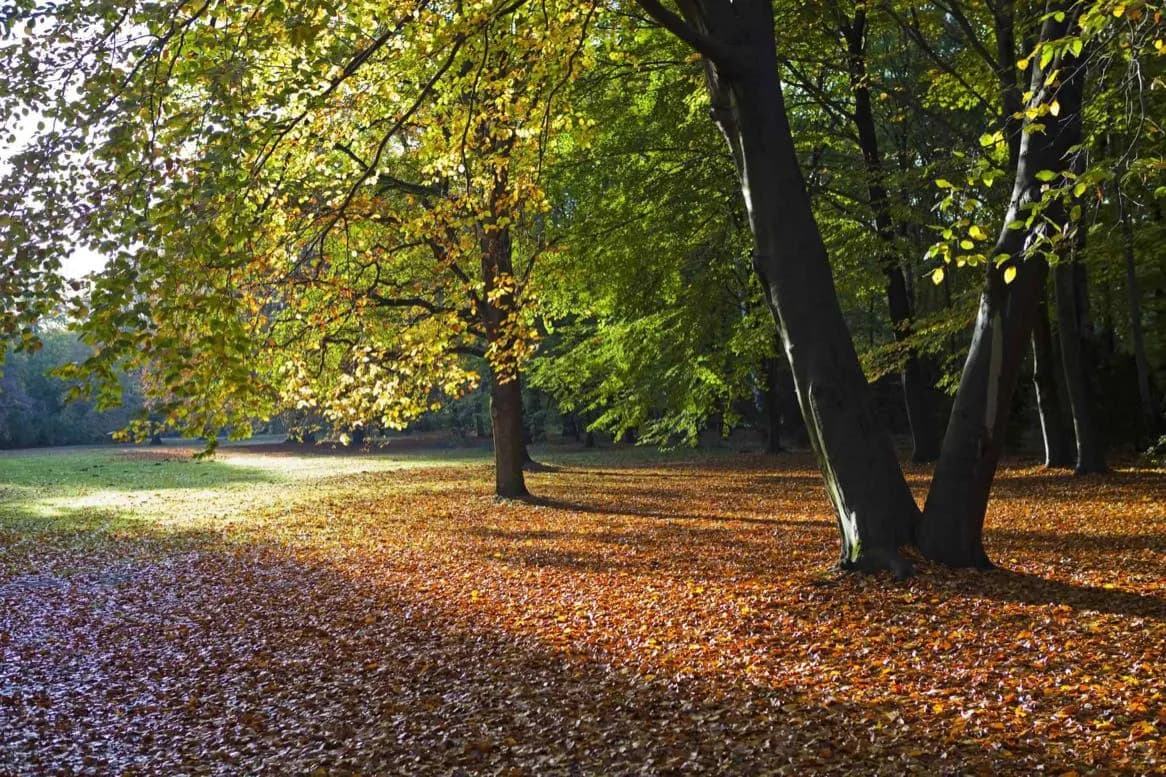
Combine the park with the Victory Column and Brandenburg Gate on the same east-west axis. The park is 210 hectares (520 acres) in size and is among the largest urban gardens of Germany. Only the Tempelhofer Park (previously Berlin's Tempelhof airport) and Munich's Englischer Garten are larger.
What to look for
- Follow the curving paths and broad lawns of Peter Joseph Lenné's landscape design.
- Combine the park with the Victory Column and Brandenburg Gate on the same east-west axis.
The full story
It was founded as a hunting area for the Elector of Brandenburg, and was situated to the west of the Cölln city wall, which was the sister town of Old Berlin. It also sat in the same vicinity as the City Palace (Stadtschloss). In 1530 the expansion began; acres of land were purchased and the garden began to expand towards the north and west. The total area extended beyond the current Tiergarten, and the forests were well suited to hunting deer and other wild animals. The Elector of Brandenburg had wild animals placed within the Tiergarten, which was fenced off from the outside to prevent the creatures from escaping, and was the main hunting ground for the electors of Brandenburg. This hobby, however, began to fade away as the city of Berlin began to expand and the hunting area shrank to accommodate the growth.
Useful to know
- Visit in daylight for the clearest reading of the architecture and surrounding urban space.
- Combine the stop with nearby sights on foot, allowing extra time only for any separate interior component.
Your next visit
Estimated · Declared scenario and planning estimates; no live opening, weather, queue or booking service.
Outdoor visit · 20–35 min
Eastern paths in daylight; no long walk to the park centre.