
Why go
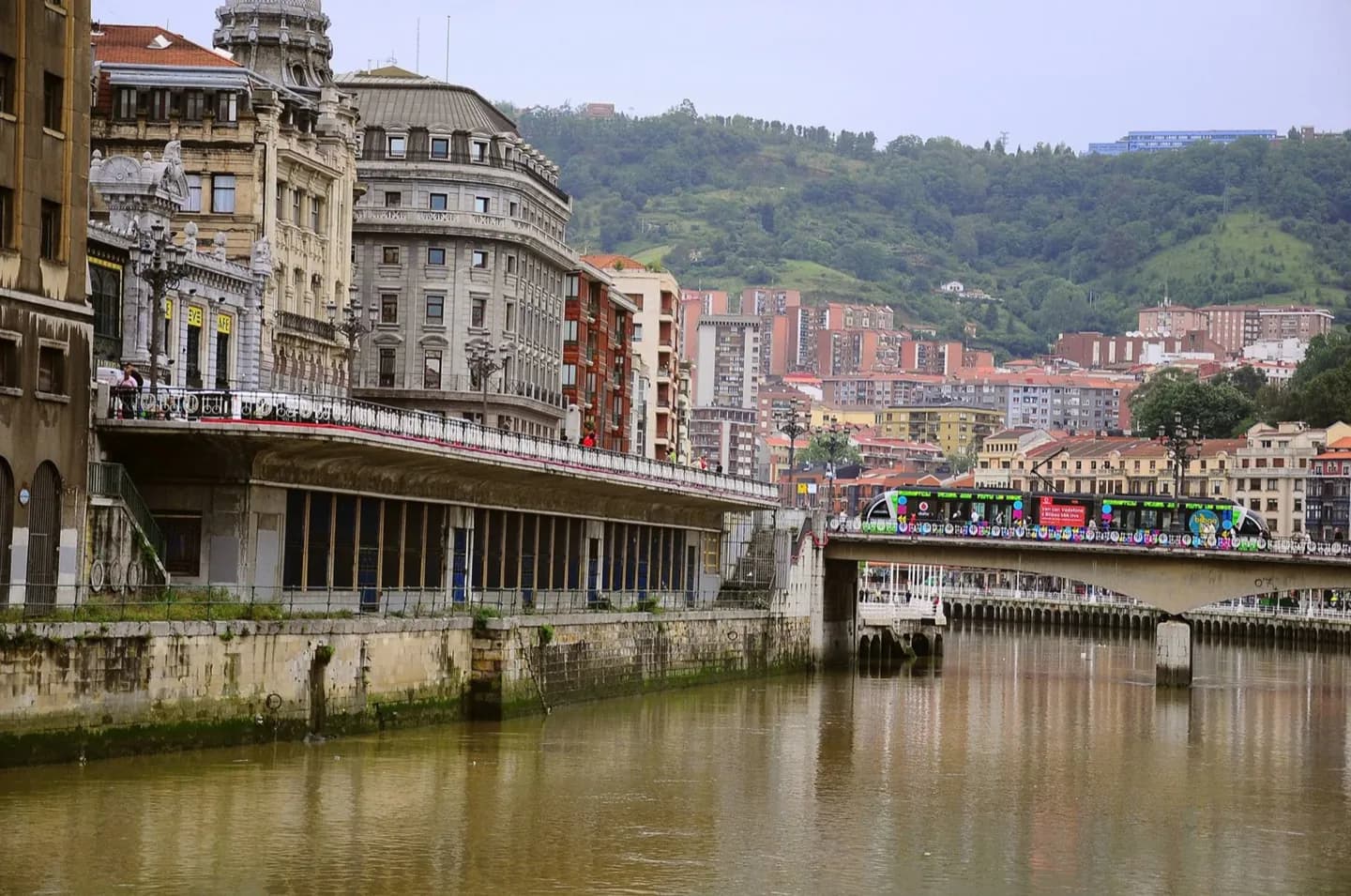
Read the city from San Antón outwards. Its old streets stand near the river crossing of the chartered town; the estuary then traces the route of trade and later industry. This history gives the former shipyard area and renewed banks a clearer meaning than their architecture alone can provide.
The full story
Diego López V de Haro founded Bilbao as a chartered town in 1300 on the right bank of the river, close to today's Casco Viejo. The crossing at San Antón and the navigable estuary helped connect local trade with the coast. In 1511 the Consulate of Bilbao gained a major role in governing commerce and improving the waterway. Iron from the surrounding region supported exchange with other European ports, and industrial growth in the nineteenth and early twentieth centuries reshaped the city well beyond its original streets. Shipbuilding and other industries later declined, leaving large waterfront sites to be reworked for cultural and public use. The shift is visible between the old town, Euskalduna's former shipyard setting and the Guggenheim riverfront. Bilbao's name has several proposed origins; the competing explanations are a reminder that the river was central to how people understood the settlement, but none should be treated as settled fact.