
Why go
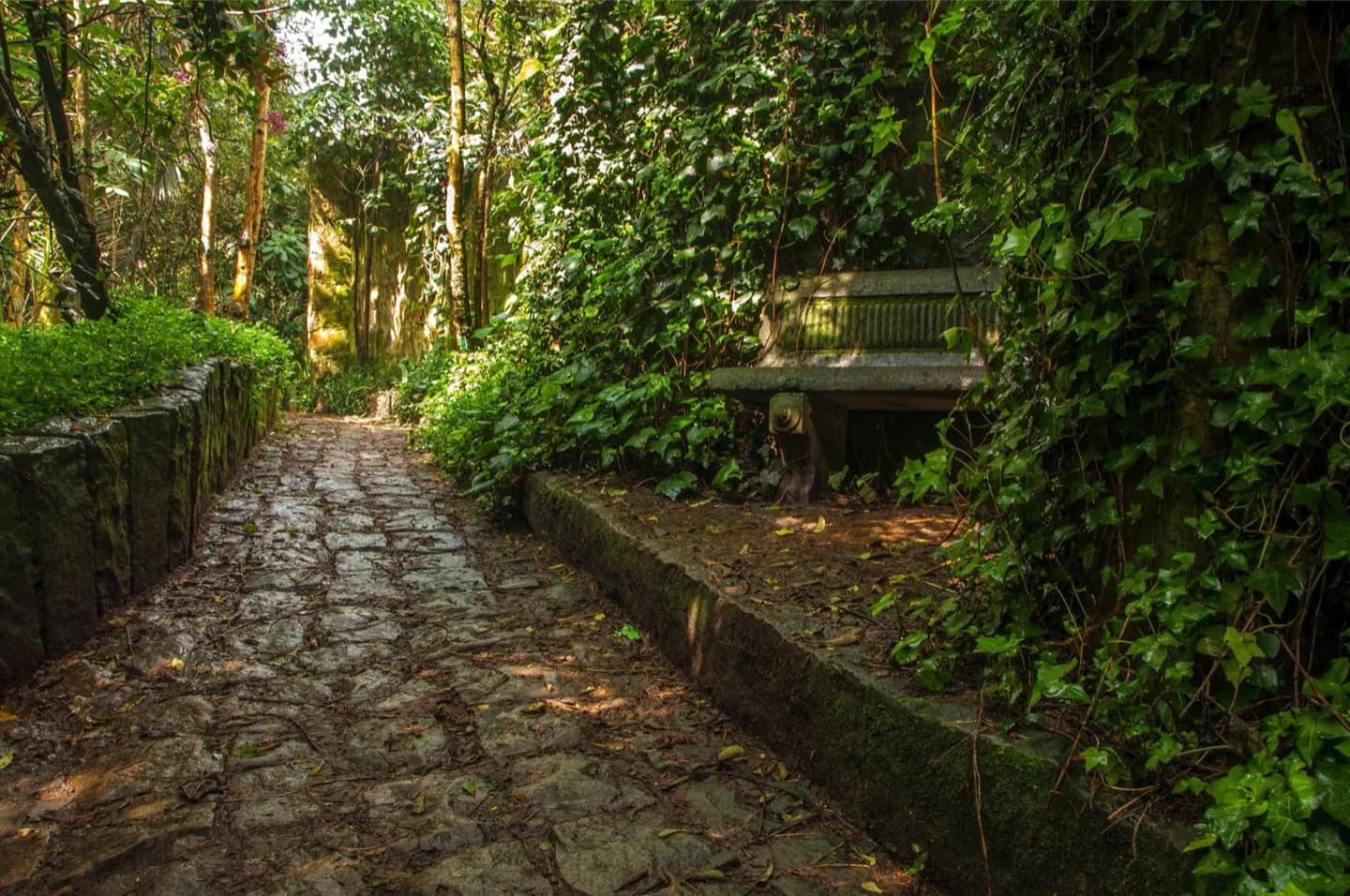
The Tropicario lets you compare plants from superpáramo, Amazon and Chocó rainforest, and dry tropical forest environments. Those contrasts make Colombia’s ecological variety easier to understand in one visit. The wider garden adds an outdoor setting with a longstanding emphasis on Andean plants and botanical research.
What to look for
- The Tropicario contrasts superpáramo, rainforest and dry tropical forest plants.
- Outdoor collections reflect the garden’s interest in Andean ecosystems.
The full story
The garden was established in 1955 following the efforts of botanist and priest Enrique Pérez Arbeláez. Its name honours José Celestino Mutis, who led the eighteenth-century Royal Botanical Expedition to New Granada. That connection places the garden within a longer history of studying and documenting the region’s plants. The institution combines research and conservation with a public place for learning about vegetation. Its emphasis on Andean and páramo ecosystems is especially relevant in Bogotá, while the Tropicario expands the comparison to wet and dry tropical forests. As you move between plant environments, the useful distinction is ecological rather than simply decorative: different habitats support different forms of growth. Looking for those differences gives the visit more structure than treating all the collections as one continuous ornamental park.
Useful to know
- Allow about two hours for a visit that includes the Tropicario and garden.
- Include the Tropicario in your plan if comparing ecosystems is the main reason you are coming.
Your next visit
Estimated · Declared scenario and planning estimates; no live opening, weather, queue or booking service.
Outdoor visit · 30–45 min
World planning estimate; admission, opening, visit duration and access need checking.