
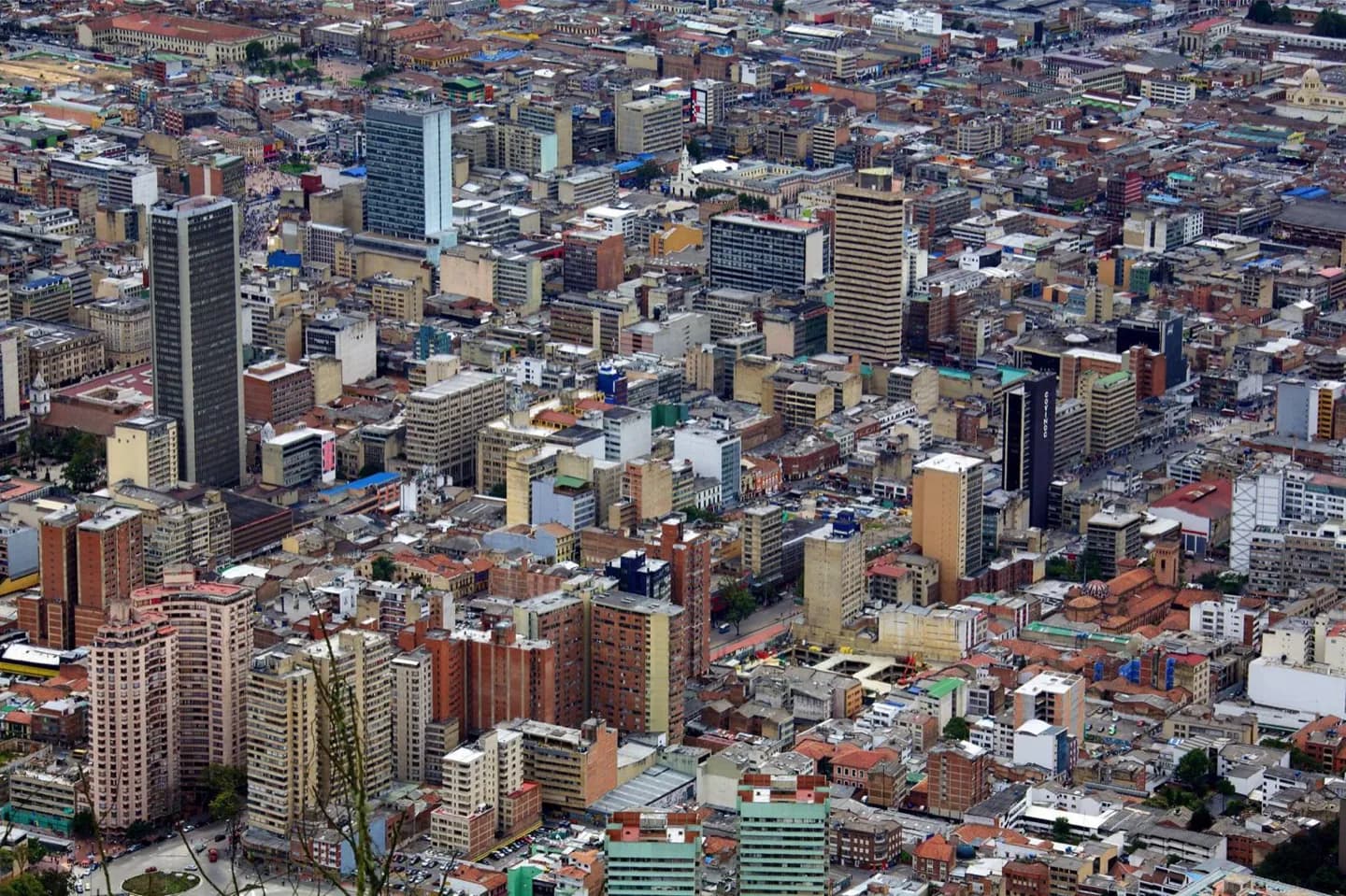
Why go
The city’s scale becomes easier to grasp from above, while the sanctuary gives the summit a purpose beyond the view. Monserrate remains a place of pilgrimage as well as sightseeing. Transport can bring you to the top without the full climb, though the summit itself includes steep, uneven paths.
What to look for
- The hilltop outlook faces west across Bogotá.
- The sanctuary is associated with El Señor Caído, the Fallen Lord.
- The summit stands 3,152 metres above sea level.
The full story
Monserrate’s religious history helps explain why the summit has a sanctuary rather than simply a viewing platform. Devotional use of the hill developed in the seventeenth century, followed by the establishment of a retreat named for the Virgin of Montserrat in Catalonia. A sculpture of Christ taken down from the cross became a growing focus of devotion. Known as El Señor Caído, or the Fallen Lord, it eventually took the central place in the sanctuary, while the hill retained the name Monserrate. The walking ascent is therefore part of a pilgrimage tradition as well as a way to reach the panorama. At the summit, the contrast between the sacred destination and the spreading city below gives the visit two distinct dimensions. Looking west explains the outlook; the sanctuary explains the journey.
Useful to know
- Choose transport or the pedestrian ascent before planning the rest of the visit; they have separate access conditions.
- Use a clear-visibility window for the panorama and allow for steep, uneven summit paths.
Your next visit
Estimated · Declared scenario and planning estimates; no live opening, weather, queue or booking service.
Outdoor visit · 30–45 min
World planning estimate; admission, opening, visit duration and access need checking.