
Why go
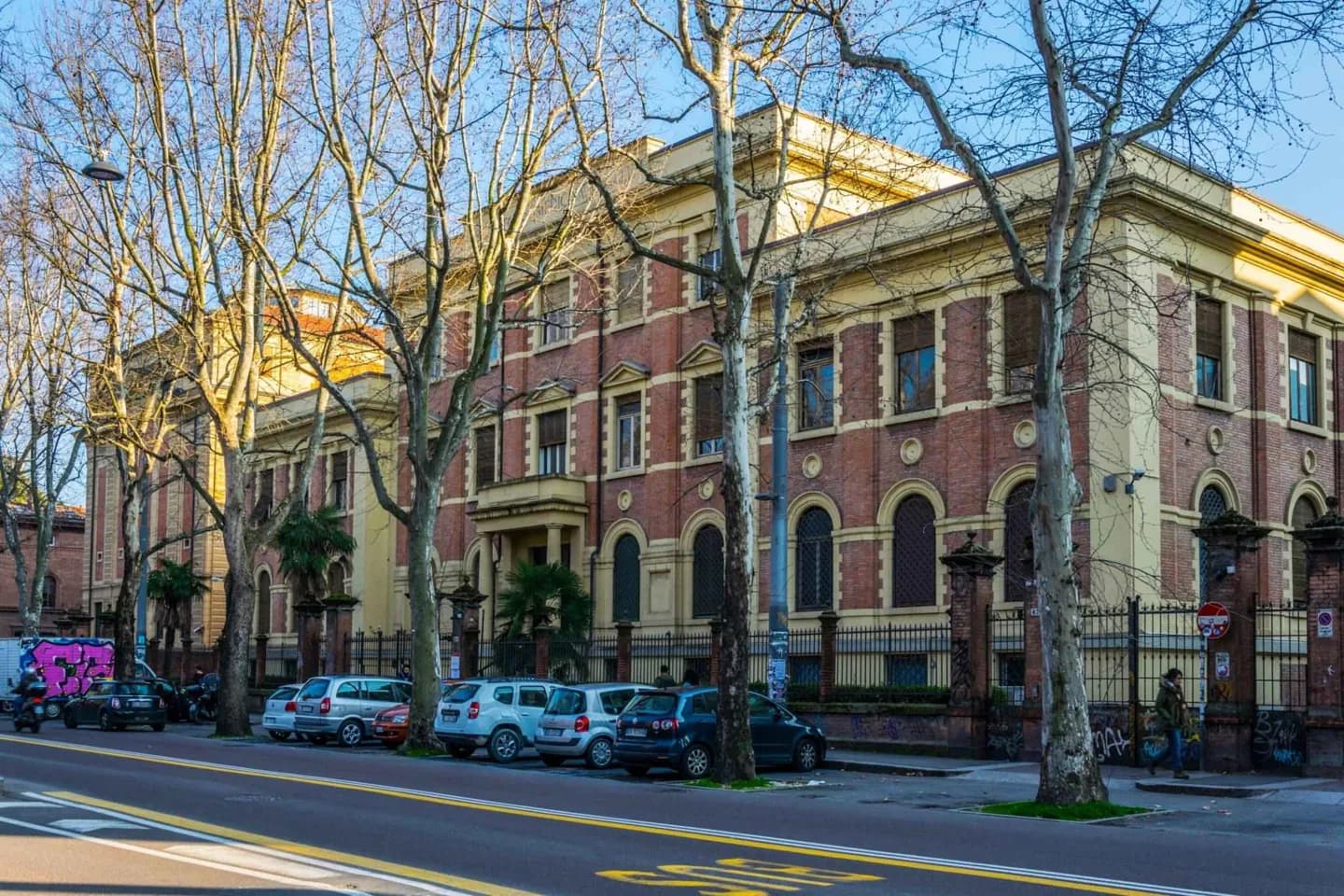
Bologna's academic story is written across several sites rather than one original campus. The Archiginnasio shows a later attempt to bring teaching together, while the streets around Via Zamboni still frame university life. Add Palazzo Poggi or the botanical garden if you want to follow a specific subject further.
The full story
The University of Bologna traces its origins to medieval teaching, traditionally dated to 1088. Early masters taught law and collected fees directly from students, so study was spread through the city rather than confined to a single campus. The study of Roman law drew people from beyond Bologna and helped give the city its enduring association with learning. Medieval jurists' tombs and manuscripts are reminders that scholarship also left physical traces. The Archiginnasio, built in the sixteenth century, represented a different approach: it gathered university teaching in a prominent central building. Its Anatomical Theatre makes the history of medical instruction especially concrete. In the Napoleonic period, the university's headquarters moved toward Via Zamboni, still an important university axis. Nearby Palazzo Poggi offers another way to follow the history of teaching and collections, while the Orto Botanico links the institution to scientific study. Laura Bassi's appointment to teach in 1732 is part of this longer story of intellectual change. A walk from the Archiginnasio to Via Zamboni shows how the university shifted through Bologna rather than simply growing around one fixed seat.