
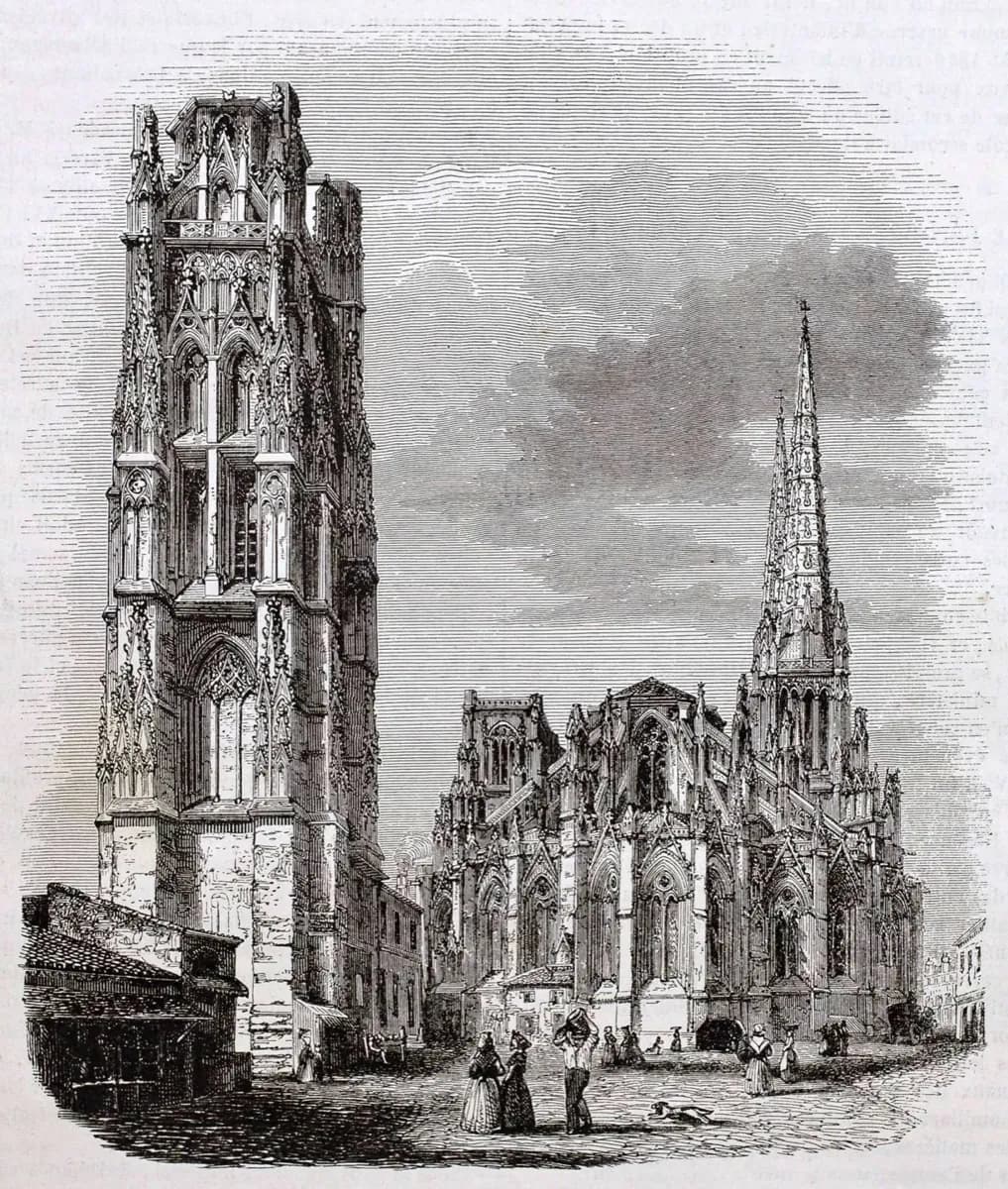
Why go
Look beyond a single architectural period. Palais Gallien recalls Roman Burdigala, Saint-André Cathedral speaks to medieval Bordeaux, and the Garonne frontage points to the trade that later transformed the city. These places let you follow the story through visible remains rather than a long list of rulers and dates.
The full story
A settlement grew beside the Garonne where the Devèze met the river. Under Roman rule, Burdigala became an important centre in Aquitaine. The surviving Palais Gallien is a reminder that the Roman city was larger and more prosperous than the fragments now visible might suggest. Vines were already part of the region's story in that era, although the modern wine trade took shape much later. The city changed hands and allegiances repeatedly during the Middle Ages. Saint-André Cathedral is one enduring marker of that period. Bordeaux's position on the river kept trade central to its fortunes. Later expansion and rebuilding changed the streets around the older monuments, so the centre reads as a sequence of layers rather than a single preserved medieval town. A walk from the cathedral toward the Garonne makes that contrast clear: religious and civic landmarks give way to the broad riverfront that announced Bordeaux to arriving traders.