
Why go
Understanding the network saves energy without turning a small city into a transport project. Most Old Town sights connect best on foot, while public transport becomes valuable for hills, the zoo, forest approaches and districts beyond the centre. Use walking for the Old Town and public transport for hills or outer districts.
The full story
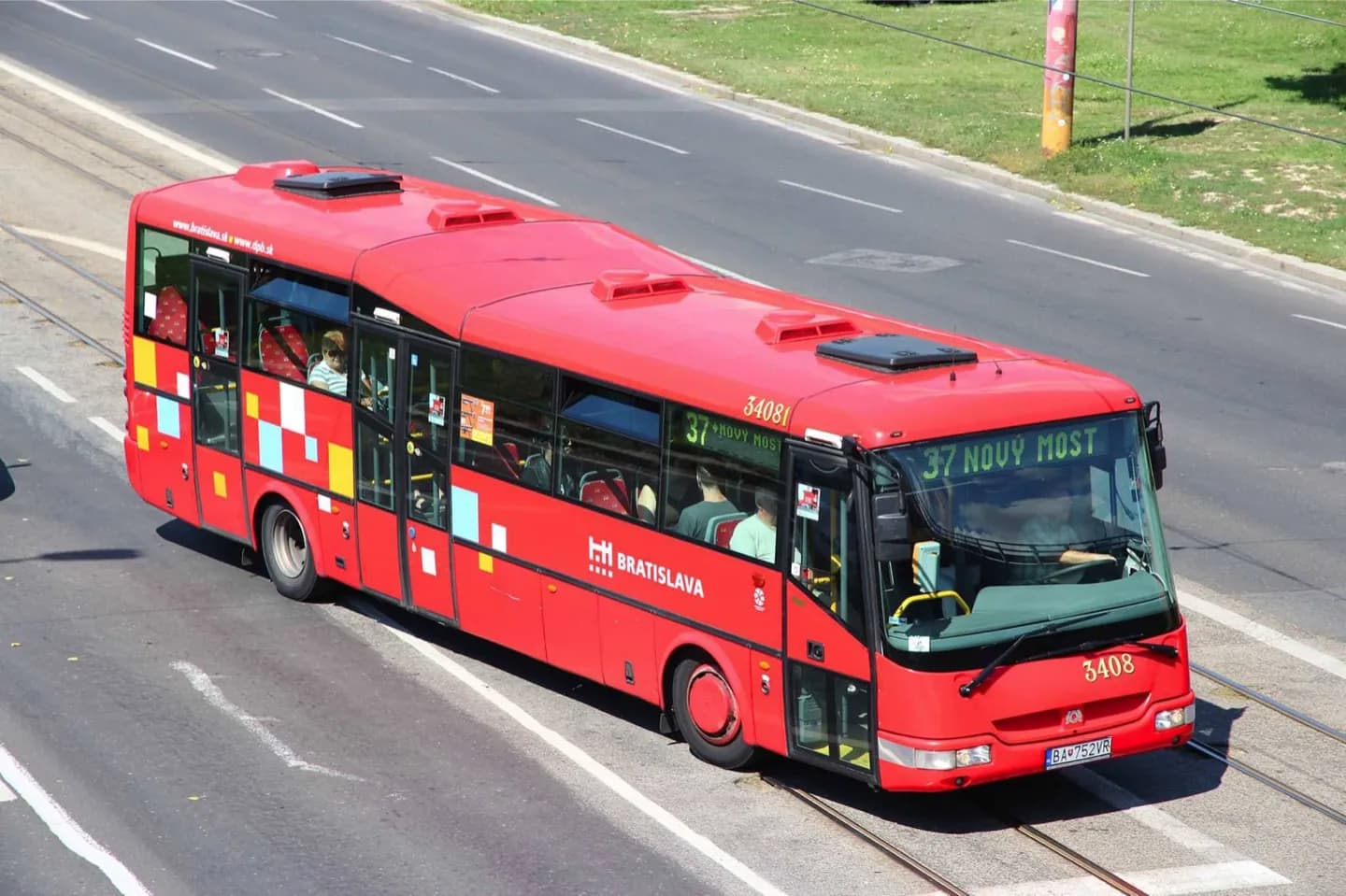
Bratislava’s historic centre is small and largely pedestrian, so walking usually beats waiting for a vehicle between central squares, churches and museums. Public transport matters once the route reaches the main railway station, residential hills, the zoo or outer neighborhoods. Trams cover several useful urban corridors; buses and trolleybuses fill the rest of the network. Tickets are generally time-based and allow transfers within their validity, but zones, products and validation methods can change. Use the current city transport planner or official app before setting out, and make sure a ticket is valid before boarding when required. Stop names often use Slovak diacritics, so save the exact destination rather than relying on an English translation. Late service, construction and diversions vary. For a time-sensitive train or airport connection, check live departures and leave a margin. Central walking remains the simplest fallback when short surface journeys are delayed.
Useful to know
- Use walking for the Old Town and public transport for hills or outer districts.
- Check current ticket validity, transfer rules and live departures before boarding.