
Why go
A little orientation prevents the postcard centre from standing in for the whole city. The Markt and Burg form the civic core, religious and artistic landmarks sit nearby, and outer districts lead toward greener edges and the port at Zeebrugge. Understanding those layers helps separate an easy central walk from excursions that need more time.
The full story
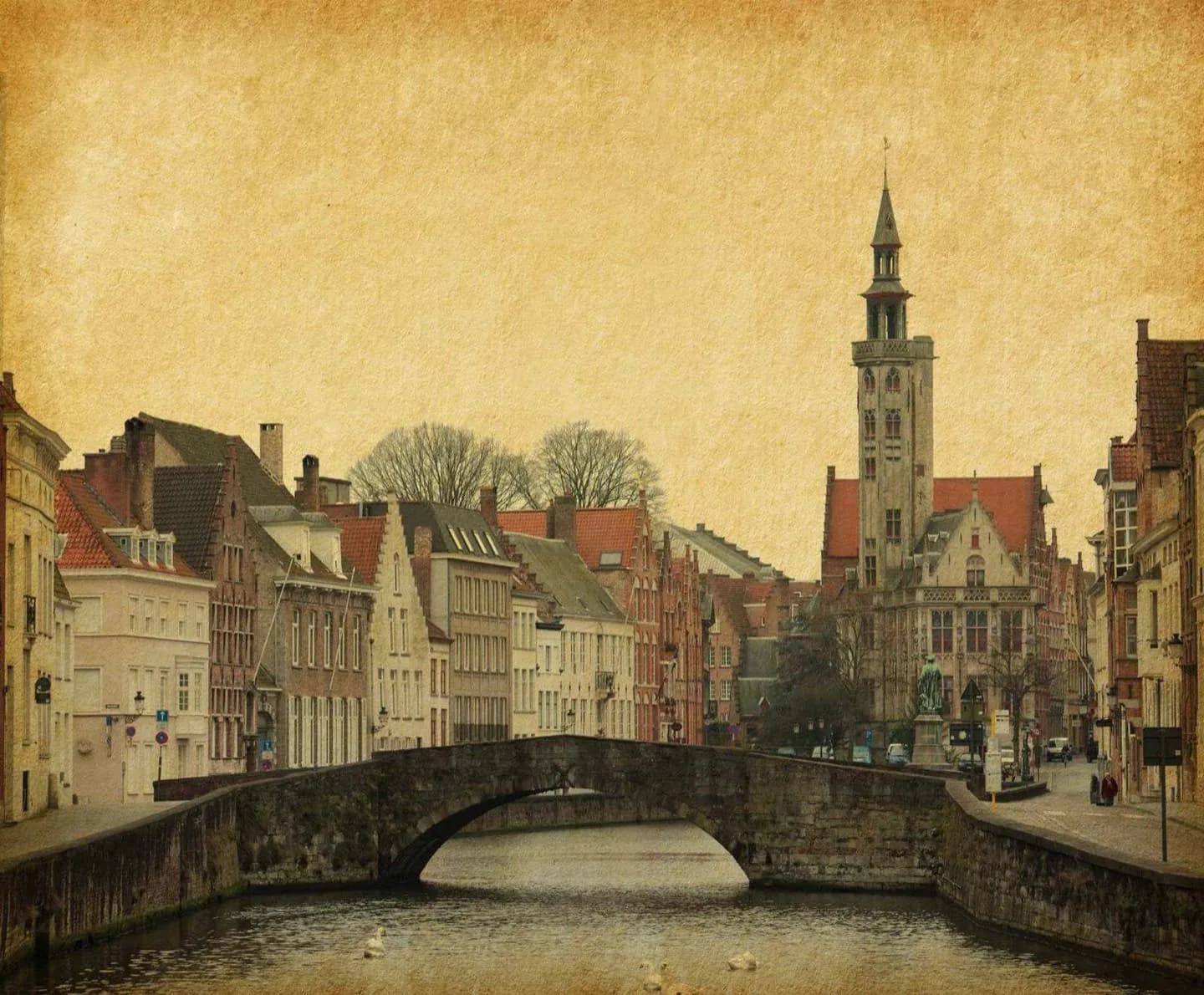
Bruges is the capital of West Flanders, but its visitor identity is concentrated in the historic centre. The old core is compact and broadly egg-shaped, so the Markt, Burg, Church of Our Lady and Groeningemuseum can be connected on foot. Canals and narrow streets show how water and commerce shaped the medieval city, while the belfry still makes civic authority visible above the roofs. Beyond that centre, Bruges spreads into distinct districts rather than continuing as one preserved townscape. Assebroek offers a more residential setting on the southeastern side. Farther north, Zeebrugge gives the municipality a direct coastal and port dimension, with a beach, fishing-town character and views toward the working harbour. This wider geography matters when planning: central Bruges suits close observation at walking pace, while the coast and surrounding Flemish cities work better as separate excursions.