
Why go
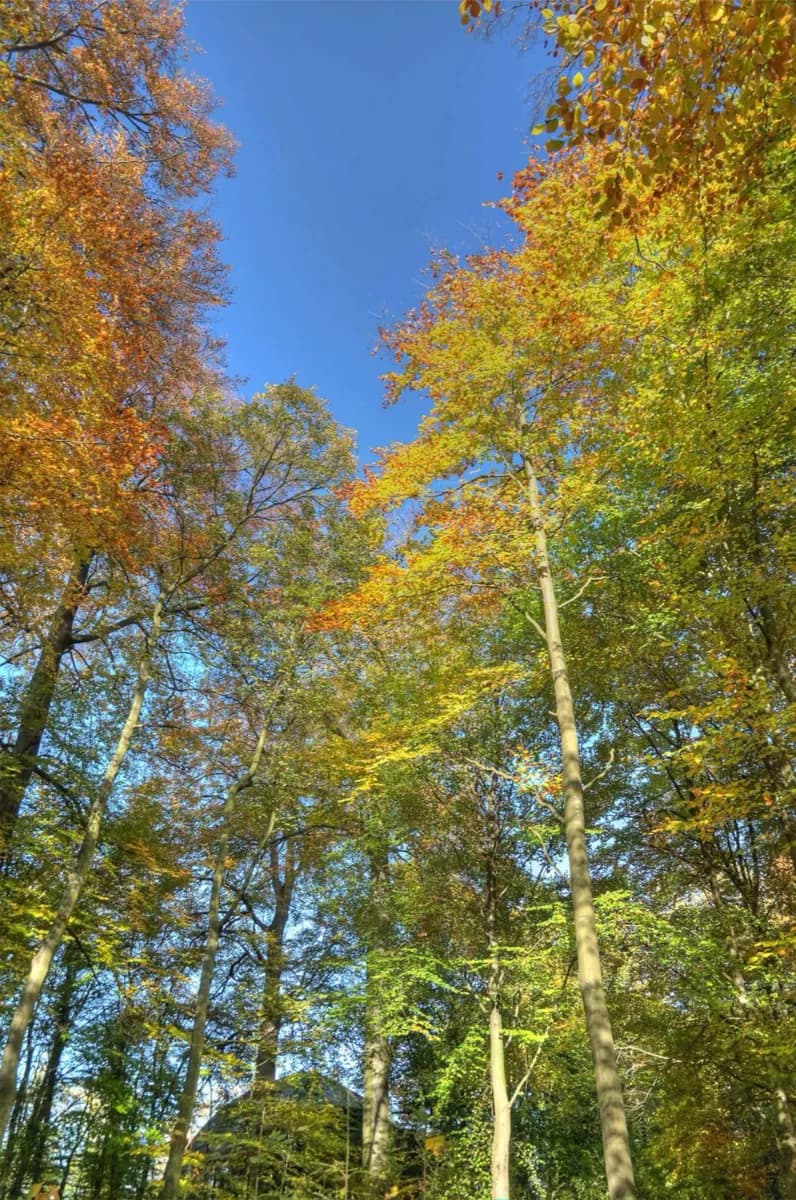
The forest feels genuinely separate from the capital despite touching its southeastern edge. Straight beech trunks create cathedral-like depth, while reserves, ponds and former monastic sites add variety. Bois de la Cambre, Rouge-Cloître and Tournay-Solvay each begin a different kind of outing.
What to look for
- Look down long beech avenues where the repeated trunks make distance unusually legible.
- At Rouge-Cloître, woodland paths meet ponds and the remains of a former abbey.
The full story
Tall beech woods and long trails offer Brussels' strongest nature escape, but choosing a named gateway matters more than navigating toward the forest's broad centre. The forest feels genuinely separate from the capital despite touching its southeastern edge. Straight beech trunks create cathedral-like depth, while reserves, ponds and former monastic sites add variety. Bois de la Cambre, Rouge-Cloître and Tournay-Solvay each begin a different kind of outing. Look down long beech avenues where the repeated trunks make distance unusually legible. At Rouge-Cloître, woodland paths meet ponds and the remains of a former abbey. Choose and save a specific entrance before leaving central Brussels; the legacy map point is only a broad centroid. Wear shoes for mud after rain and carry water on longer loops.
Useful to know
- Choose and save a specific entrance before leaving central Brussels; the legacy map point is only a broad centroid.
- Wear shoes for mud after rain and carry water on longer loops.
Your next visit
Estimated · Declared scenario and planning estimates; no live opening, weather, queue or booking service.
Outdoor visit · 30–45 min
World planning estimate; admission, opening, visit duration and access need checking.