
Why go
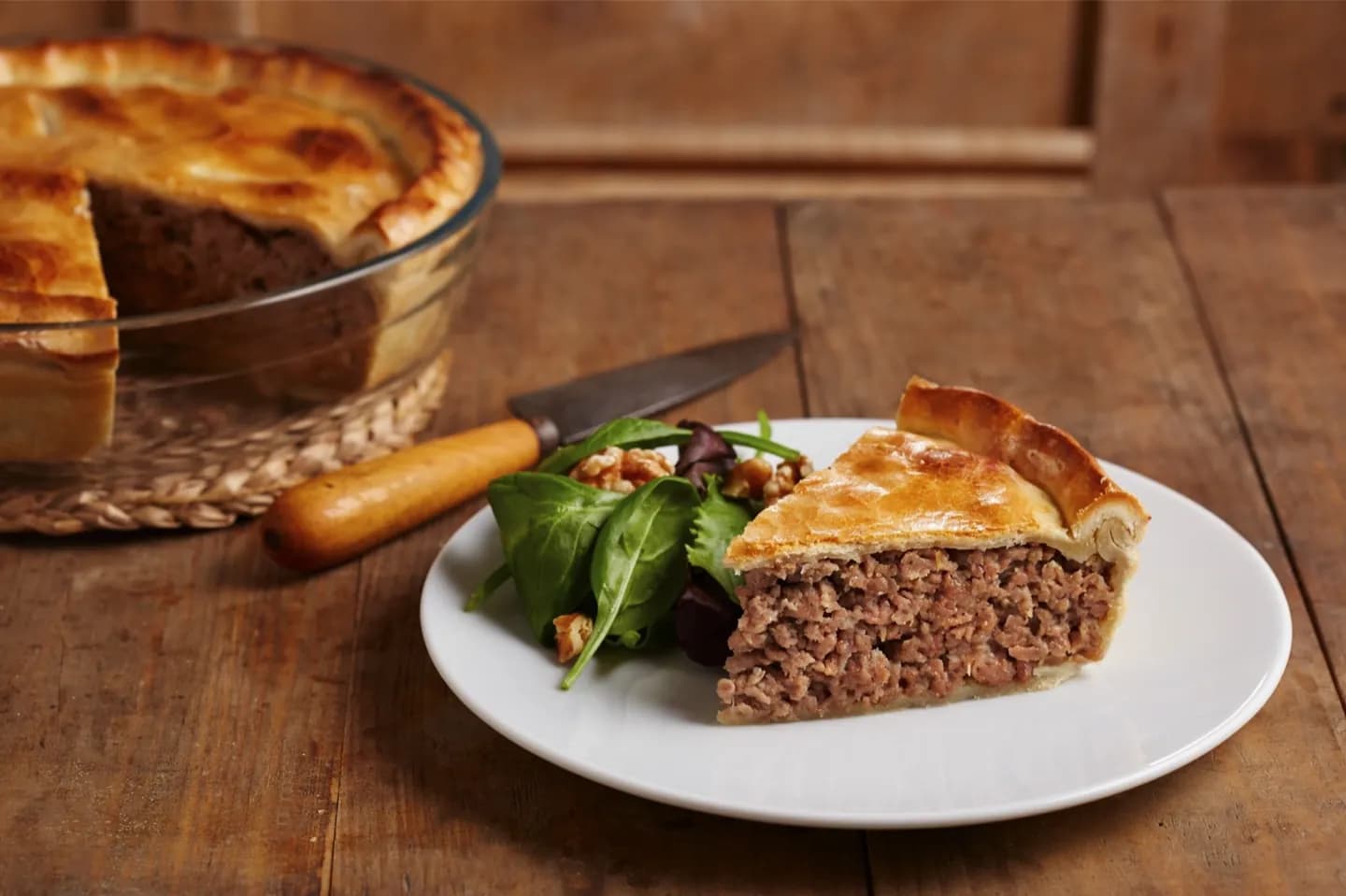
Use food to follow the geography. Look for seafood on the Atlantic coast, Québec dishes shaped by French history, and wine in the Niagara Peninsula or British Columbia’s Okanagan. These are stronger leads for a meal than searching for one supposedly typical Canadian menu.
The full story
The legacy of local resources is visible in regional food. Atlantic coastal communities have long depended on fishing, including lobster, while Pacific coast foodways include salmon. Québec’s culinary traditions carry a strong French influence, alongside the contributions of later migrants. Prairie cooking reflects a different agricultural landscape and other migration histories. Canadian wine has established regions around the Niagara Peninsula and the Okanagan, and also on southeastern Vancouver Island. These patterns are a starting point, not a promise that every restaurant serves a regional specialty. Food culture changes between neighbourhoods as well as provinces, and large cities offer traditions brought by many communities. Alcohol purchase rules and restaurant policies vary by province and by venue, so they are details to check for the place you actually plan to visit.
Useful to know
- Use the region you are visiting to narrow a food search before choosing a restaurant.
- Check provincial alcohol rules and each restaurant’s own policy if a meal depends on bringing or buying alcohol.