
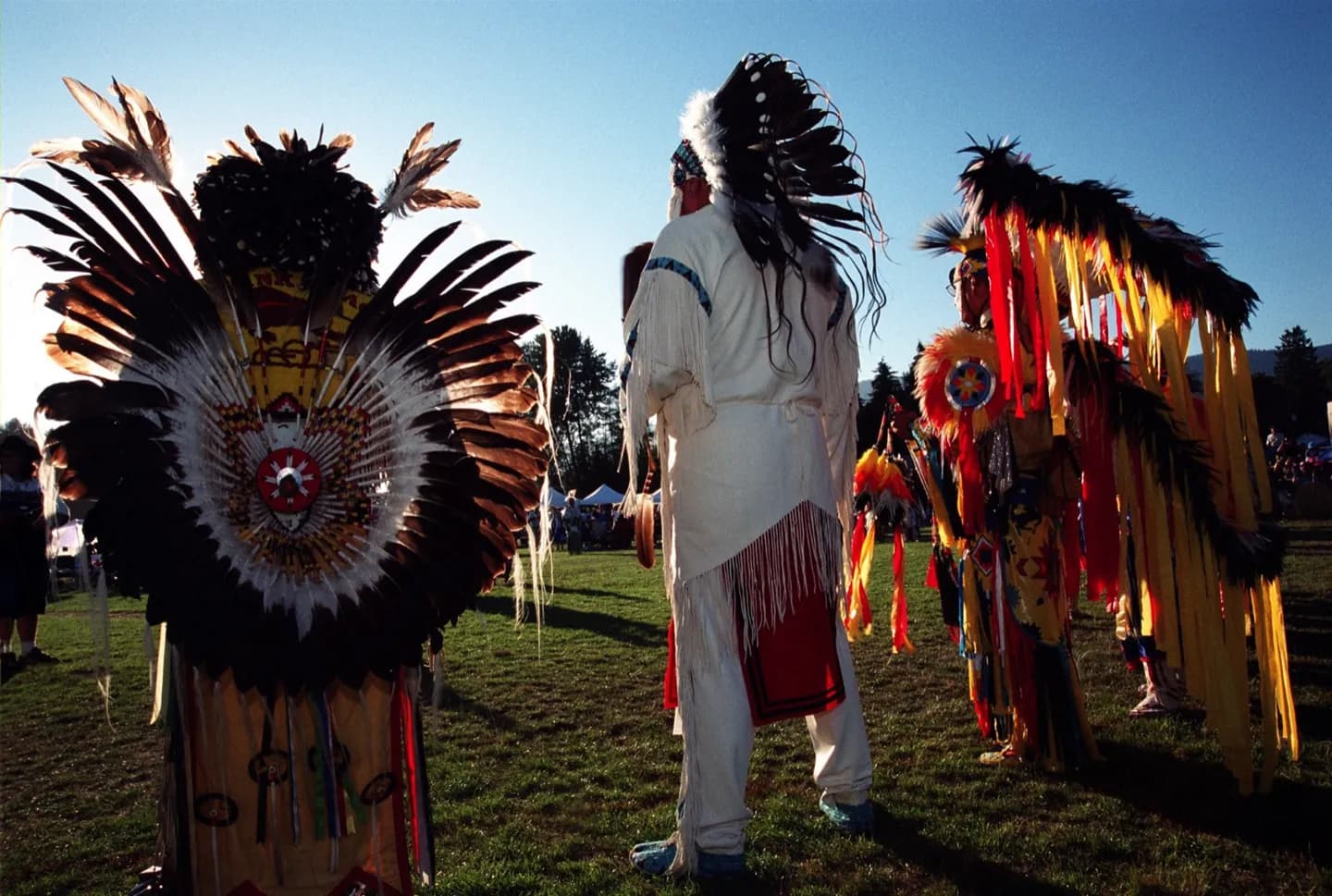
Why go
The northern Yukon sites of Old Crow Flats and Bluefish Caves point to a very long human presence, while the history of settled communities, agriculture and trade challenges the idea of an empty land awaiting colonists. Knowing these different histories adds necessary context to historic sites and regional place names.
The full story
Archaeological evidence places people in the northern Yukon thousands of years before Europeans reached the Atlantic coast. Indigenous societies across the land now called Canada developed different ways of life, including permanent settlements, farming, complex social structures and trade networks. First Nations, Inuit and Métis are distinct peoples; Métis communities developed during the colonial period through relationships between Indigenous peoples and Europeans. European arrival brought epidemic diseases that devastated many communities. Colonial governments pursued coercive assimilation, including residential schools that took Indigenous children from their families and suppressed their languages and cultures. They also forced Indigenous peoples from their lands and relocated communities. These histories should be read as part of Canada’s geography, not as a preface to it: the Yukon sites, the Saint Lawrence valley and the northern territories each have different Indigenous histories. When visiting a local cultural or historic site, look for the names and accounts of the particular peoples connected to that place rather than treating a single national story as a substitute.
Useful to know
- Use the name of the specific First Nation, Inuit or Métis community when a site identifies it.
- Read local interpretation alongside colonial accounts at historic sites.