
Why go
Le Suquet makes more sense when you know why Cannes first gathered above the shore. The monks of the Lérins Islands helped shape the fortified town. Centuries later, villas, rail links and grand hotels drew development toward the bay. A walk between the hill and Croisette makes that change visible.
The full story
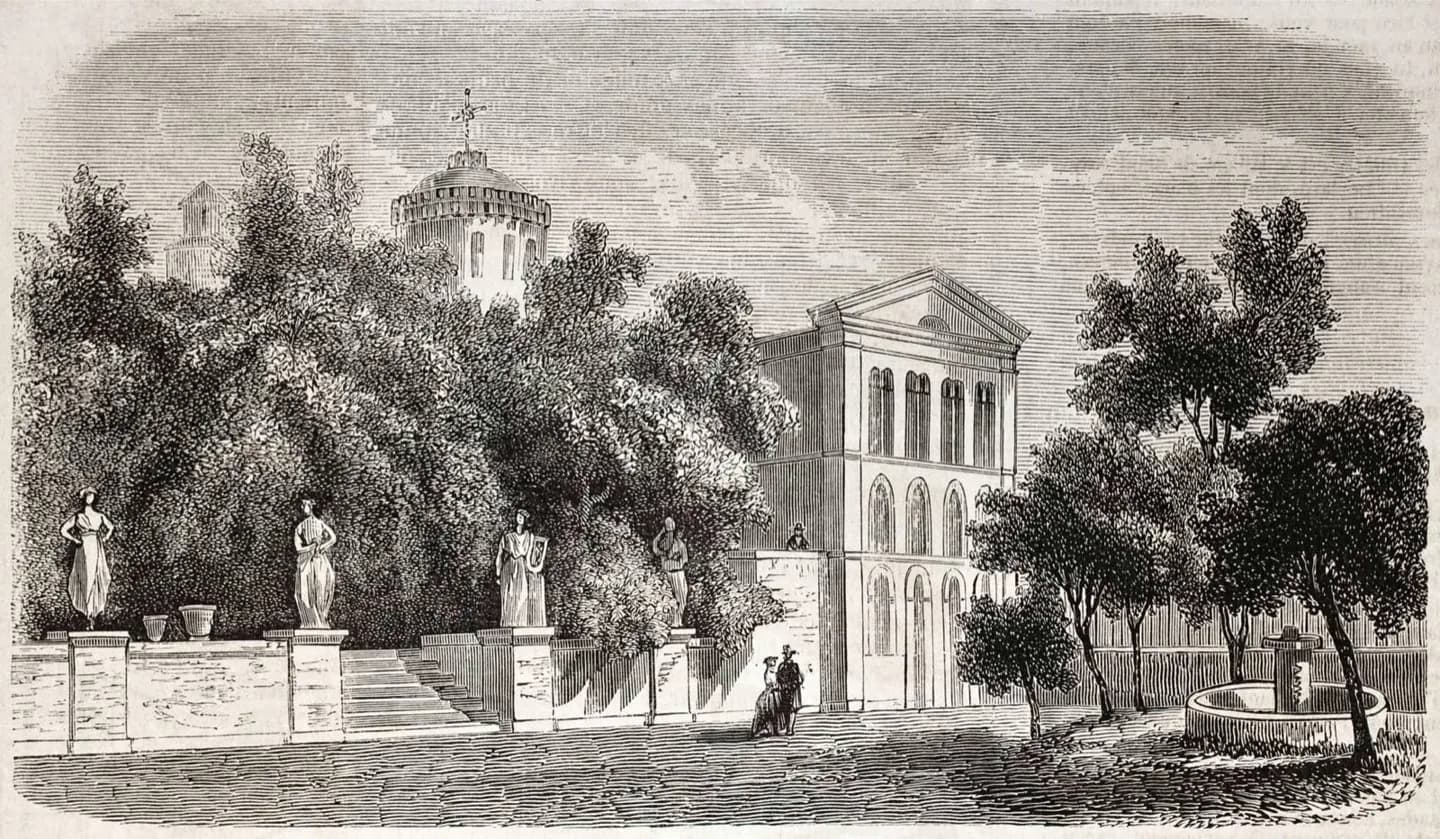
Cannes began around the sheltered shore and the hill now called Le Suquet. The Lérins Islands mattered to the early town as places of religious life and protection. When the islands became insecure, monks established themselves on the mainland. A castle was built at Le Suquet in the 11th century, putting the settlement above the low ground where much of modern Cannes now stands. Look for the old hill's relationship to the port: the height offered a way to watch the approaches from both land and sea. The resort town came much later. In the 19th century, Lord Brougham built Villa Eléonore-Louise at Croix des Gardes, and other foreign winter residents followed with villas of their own. Rail connections helped Cannes grow beyond the old core. Streets and hotels developed along the waterfront, giving the Croisette a very different scale and purpose from Le Suquet. In the 20th century, winter tourism gave way to summer visitors. The first Cannes Film Festival opened in 1946 at the former Casino Municipal; its present venue, the Palais des Festivals et des Congrès, keeps cinema central to the city's public image.