
Why go
An oracle bone in Anyang, a Qin warrior near Xi'an and a Ming palace in Beijing are separated by long stretches of time. Reading them in sequence makes each site easier to understand. The key is to distinguish what archaeology can show from later written traditions and to expect political borders to change.
The full story
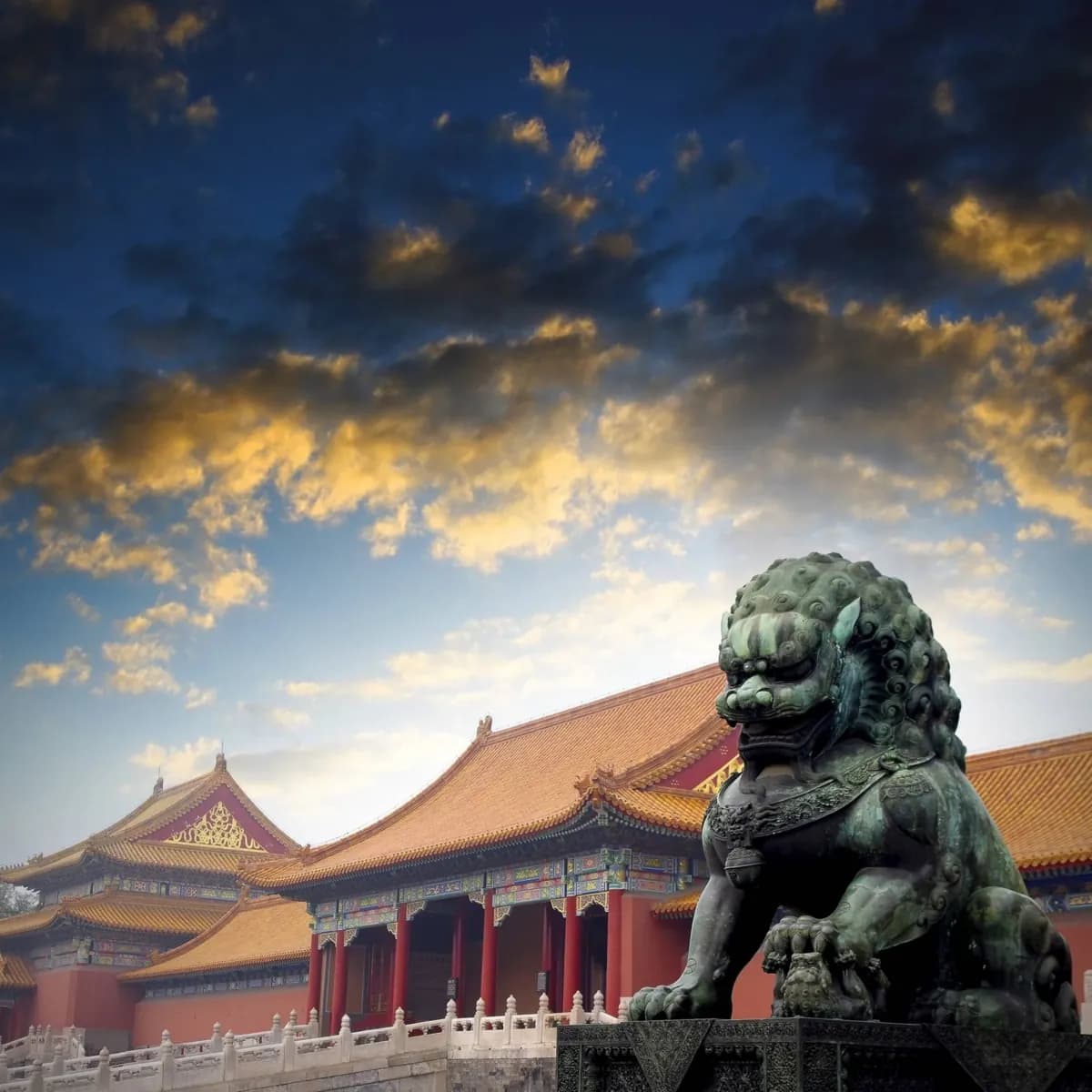
People built farming communities in several regions of what is now China long before written dynastic records. Later texts describe a Xia dynasty, but its precise relationship to archaeological sites remains uncertain. Shang inscriptions from Anyang provide firmer written evidence. Under the Zhou, states and schools of thought developed across a divided political landscape. Qin unification in 221 BCE began the imperial period. Dynasties that followed ruled changing territories, sometimes under one court and sometimes through rival states. The Han, Tang, Song, Yuan, Ming and Qing each left different institutions and material traces. The Terracotta Army belongs to Qin funerary culture, while the Forbidden City belongs to the much later Ming and Qing courts. The Qing gave way to a republic in the early twentieth century; civil war and war with Japan shaped the decades before the People's Republic was founded in 1949. A monument is most useful when read in that changing sequence rather than as timeless evidence of one China.