
Why go
Prehistory explains why a single dynastic origin story cannot stand for every region. Evidence ranges from early human remains to farming villages and pottery, with different dates and levels of certainty. Visit archaeological collections with those distinctions in mind, then compare them with later Shang writing at Anyang.
The full story
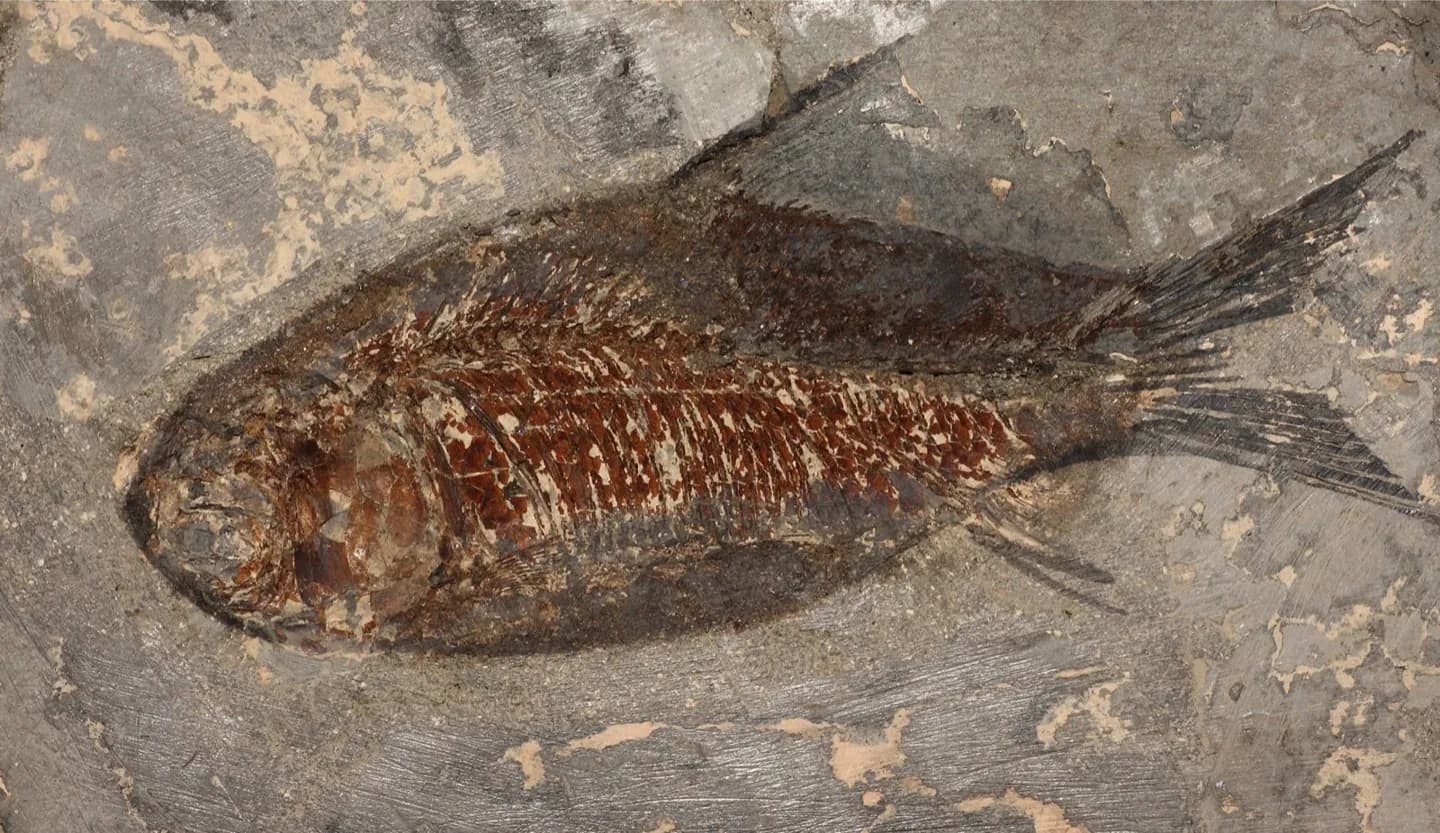
Human occupation in what is now China reaches far back before any named dynasty. Fossils associated with Peking Man and early stone tools belong to a very different record from later farming villages. By the Neolithic period, communities were cultivating crops, making pottery and building settlements. Sites connected with Peiligang in Henan and Yangshao along the Yellow River show parts of that change. Banpo near Xi'an is one named village in the Yangshao story. These were not a single uniform culture. Communities developed in several regions, including the Yellow and Yangtze river valleys. Later texts offer accounts of an early Xia dynasty, but they were written after the era they describe, and the link to excavated sites is debated. That uncertainty matters when visiting a museum: a tool, a reconstructed house and a later written claim do not prove the same thing. The Shang oracle bones at Anyang mark a later point at which written evidence becomes much clearer.