
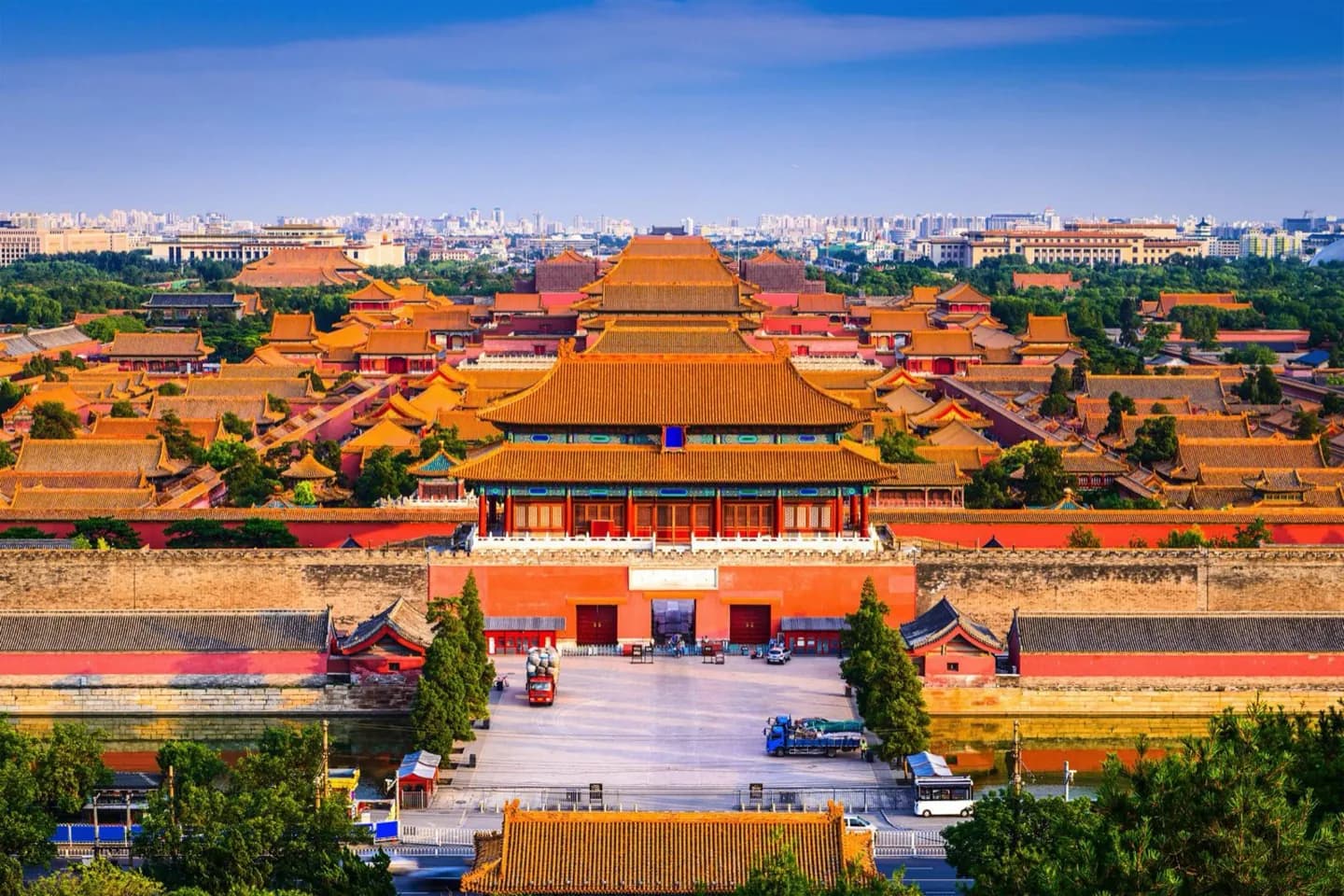
Why go
Use a cross-country trip to compare details, not collect examples of a single style. A street in Guangdong, a garden near Hangzhou and a historic site in Beijing invite different questions about materials, daily life and patronage. Regional differences are part of the experience.
The full story
It is tempting to treat a familiar roofline, dish or performance as a shorthand for all of China. The country is too varied for that. Traditions have been shaped by geography, local communities, political centers and movement between regions. The same broad art form can be practiced and understood differently from one place to another. Make that variety a way of looking. In Beijing, a formal palace complex shows how imperial ceremony used architecture. Around Hangzhou, compare a garden or waterside setting with that monumental plan. In Guangdong, pay attention to the local language, food and streetscape rather than looking for a copy of the capital. These are starting points for observation, not fixed descriptions of everyone who lives there. At each stop, ask who made the place or practice, for whom, and in what setting. That question will take you further than a list of national symbols.