
Why go
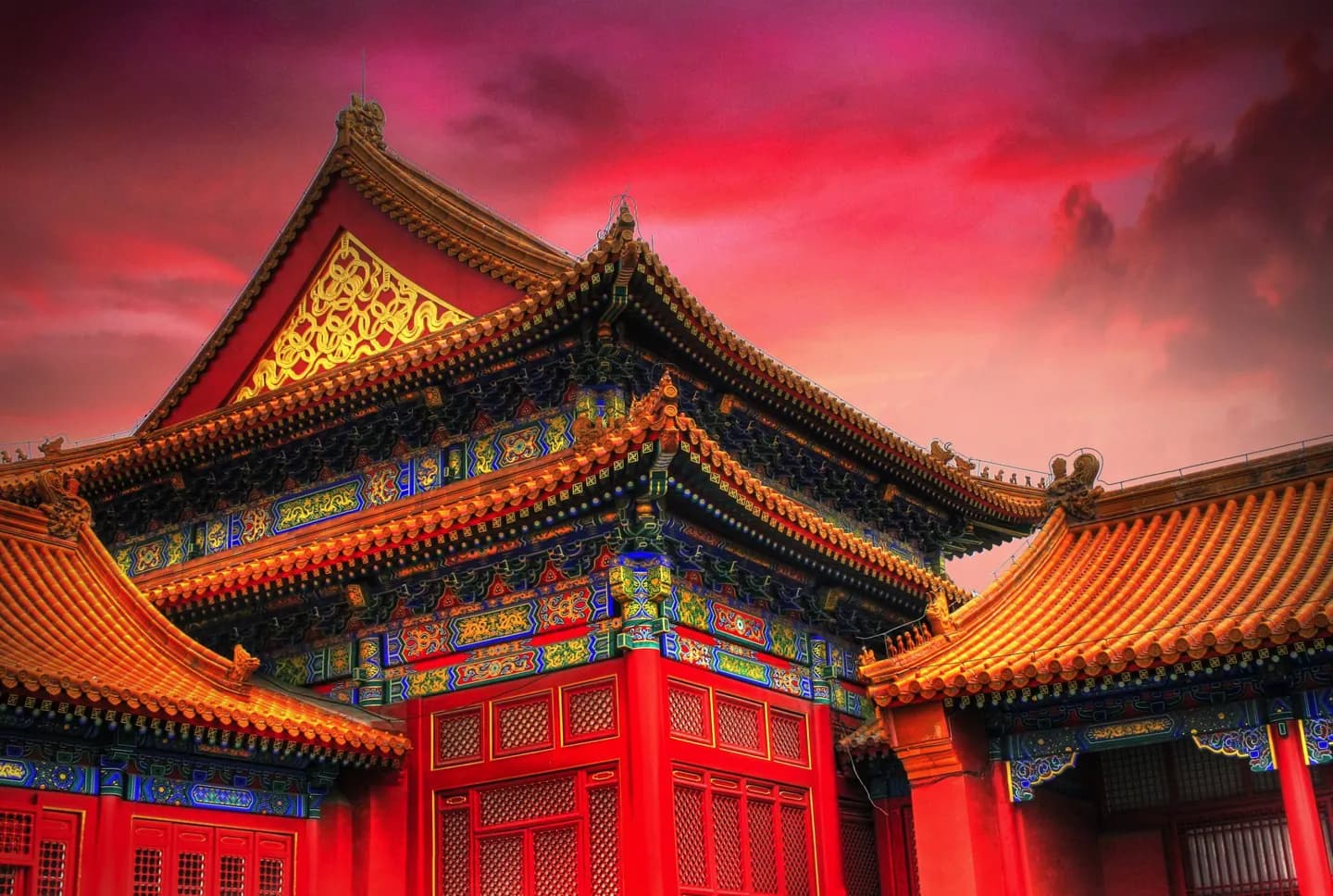
The Terracotta Army speaks to Qin imperial power; Beijing's palace and ceremonial complexes speak to much later courts. The Great Wall's surviving sections also reflect repeated rebuilding, especially under the Ming. Keeping these periods separate makes familiar landmarks more informative than a single story of an unchanged empire.
The full story
The Qin brought several warring states under one ruler in 221 BCE and made centralized rule a defining imperial model. Its first emperor's buried army near Xi'an is a vivid reminder of that scale, but the Qin dynasty itself was brief. The Han that followed developed institutions and connections that outlasted it. Political unity broke down at times, including the Three Kingdoms period, whose history is recalled at Wuhou Shrine in Chengdu. Centuries later, the Tang made Chang'an a major imperial center. The Ming and Qing courts left a different urban record in Beijing: the Forbidden City, Temple of Heaven and Summer Palace each served a distinct role. The wall sections travelers see today also belong to different periods; much standing masonry was shaped by Ming rebuilding. A route through these sites works best as a comparison of rulers, beliefs and places, not as one continuous architectural style. The Qing ended in the early twentieth century, closing the dynastic era.