
Why go
A drink can reveal more about the meal and its setting than a generic beverage list suggests. Tea is served with snacks as well as meals, while distilled baijiu and undistilled huangjiu call for different expectations. Distinguishing the categories helps you choose with confidence.
The full story
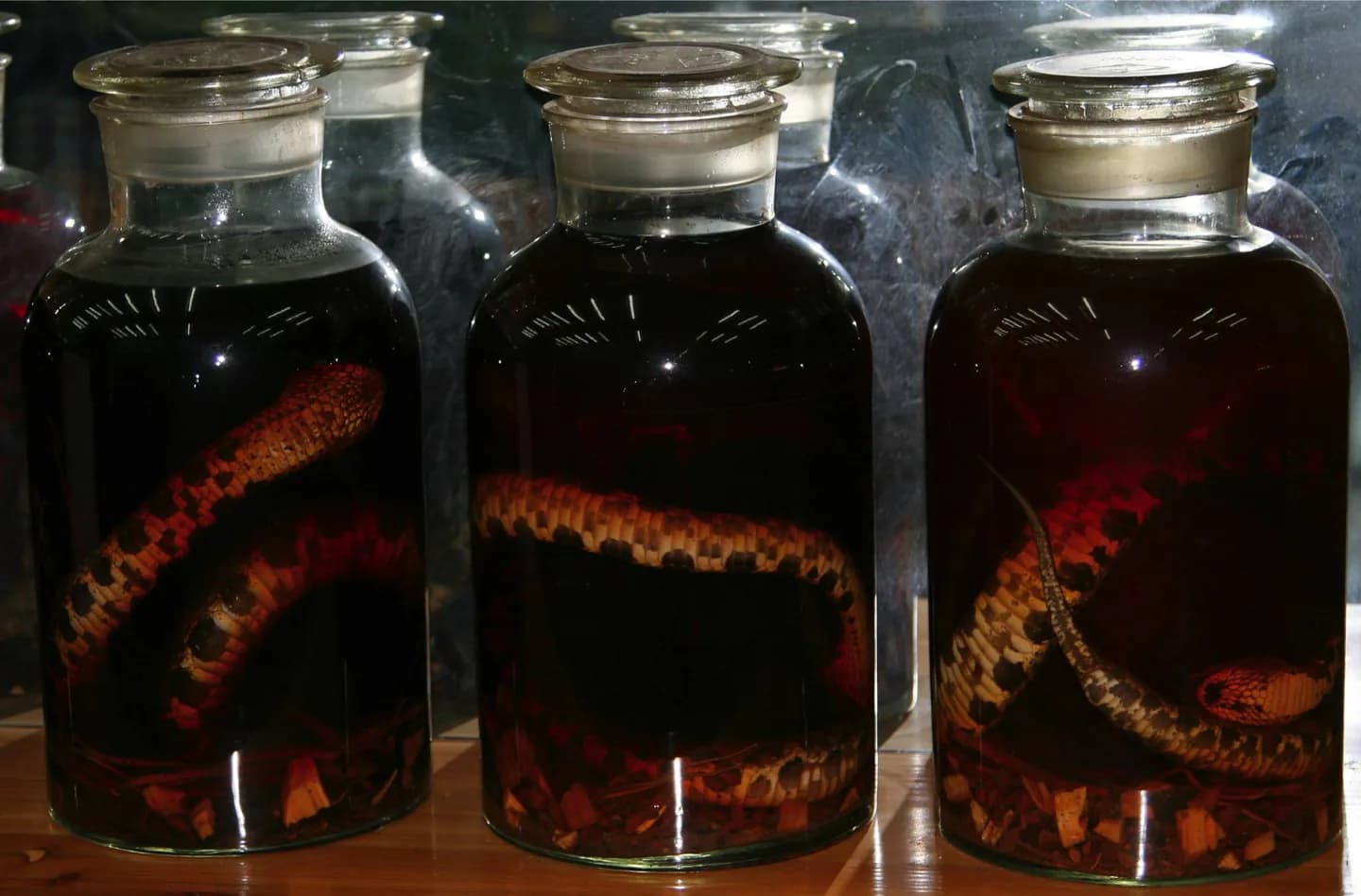
Tea varies by growing region and method of processing. Green, oolong, white, scented and compressed teas are broad categories, not interchangeable flavors. Tea may be served with nuts, dried fruit or small sweets, and an insulated glass with leaves behind a strainer is a familiar modern way to carry it. Alcoholic drinks need another distinction: baijiu is a distilled spirit, while huangjiu is an undistilled grain wine. The source also describes herbal drinks made from plant ingredients. None of these categories guarantees a particular strength or flavor, so a short question at the table is more useful than assuming every “tea” or “wine” is similar. When comparing regions, notice how the preparation, cup and accompanying food change together. That context can make the drink itself easier to understand.