
Why go
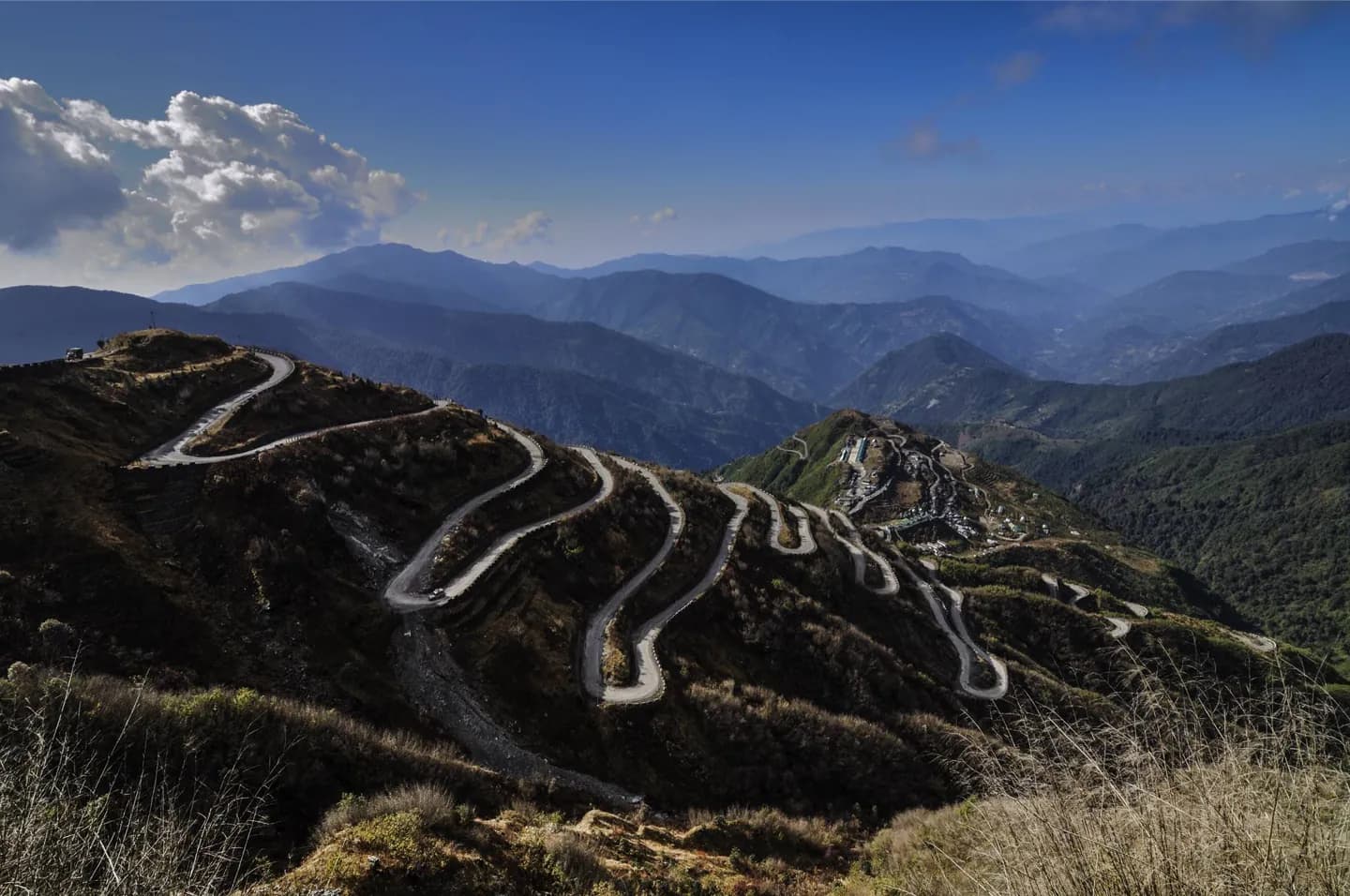
It gives a long western journey a clearer shape. Silk was one valuable cargo, but merchants and travelers also carried beliefs, technologies and other goods. The Chang'an–Tianshan corridor lets you think about linked cities and landscapes rather than searching for a single preserved road.
The full story
Ancient Chang'an, at today's Xi'an, was an eastern anchor for routes reaching into Central Asia. The network grew over many centuries, with Han-period missions and exchanges helping to expand connections westward. Its name points to Chinese silk, yet trade moved many kinds of goods. People carried ideas and religious practices as well as objects; the routes were channels of cultural contact, not just commerce. The Chang'an–Tianshan corridor is now recognized as a World Heritage site, but that designation covers a series of places rather than one path you can walk end to end. In Xi'an, think of the city as a point of departure and exchange. Farther west, the terrain and linked settlements explain why movement depended on stages, stops and changing political conditions. Plan a visit around particular sites and cities, and use the network as the thread connecting them. That approach makes more sense than treating every place associated with the Silk Road as part of a single itinerary.