
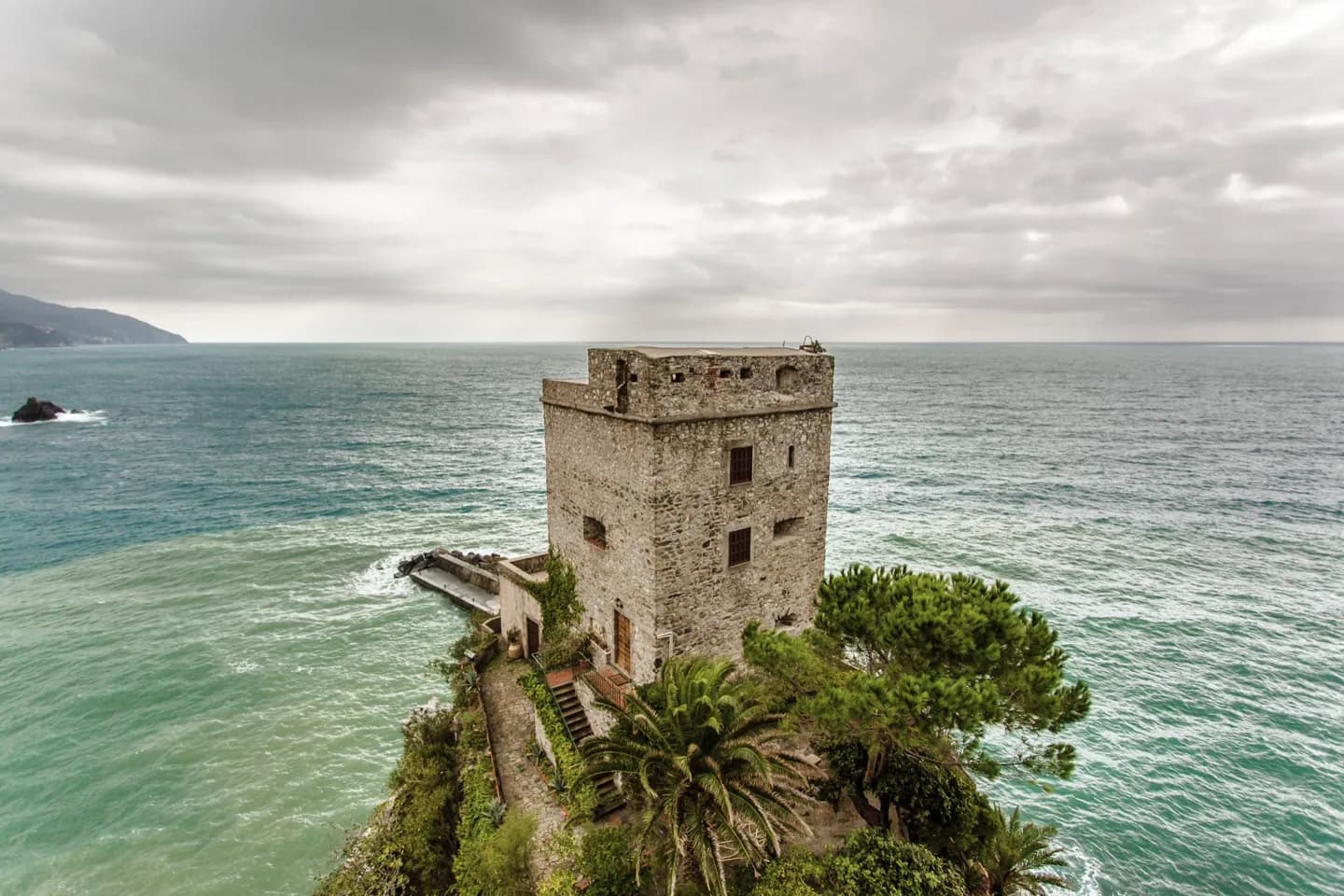
Why go
Look for surviving defensive features in places such as Riomaggiore and Vernazza, then compare them with the cultivated slopes above town. Genoese influence and the need to protect coastal settlements shaped the villages. The nineteenth-century railway changed isolation and work patterns, laying ground for the visitor economy seen today.
The full story
Written records for Cinque Terre reach back to the eleventh century. Monterosso and Vernazza appear early in that history, while the other settlements grew under the political and military influence of Genoa. The villages faced threats from the sea, and in the sixteenth century residents strengthened older fortifications and built defensive towers. Those remains are a reason to look up from the waterfront rather than treating the coast solely as a place for views. The stone walls on the hills tell a parallel story. Fishing and small-scale cultivation supported communities with little level land, so residents made terraces for vines and olives. In the nineteenth century, the railway between Genoa and La Spezia opened new connections. It also helped loosen older ways of working and living; emigration followed as local livelihoods changed. Tourism later became a major source of income. A visit now crosses several layers at once: working terraces, harbor settlements, defensive masonry and a railway that made moving between villages much easier.