
Why go
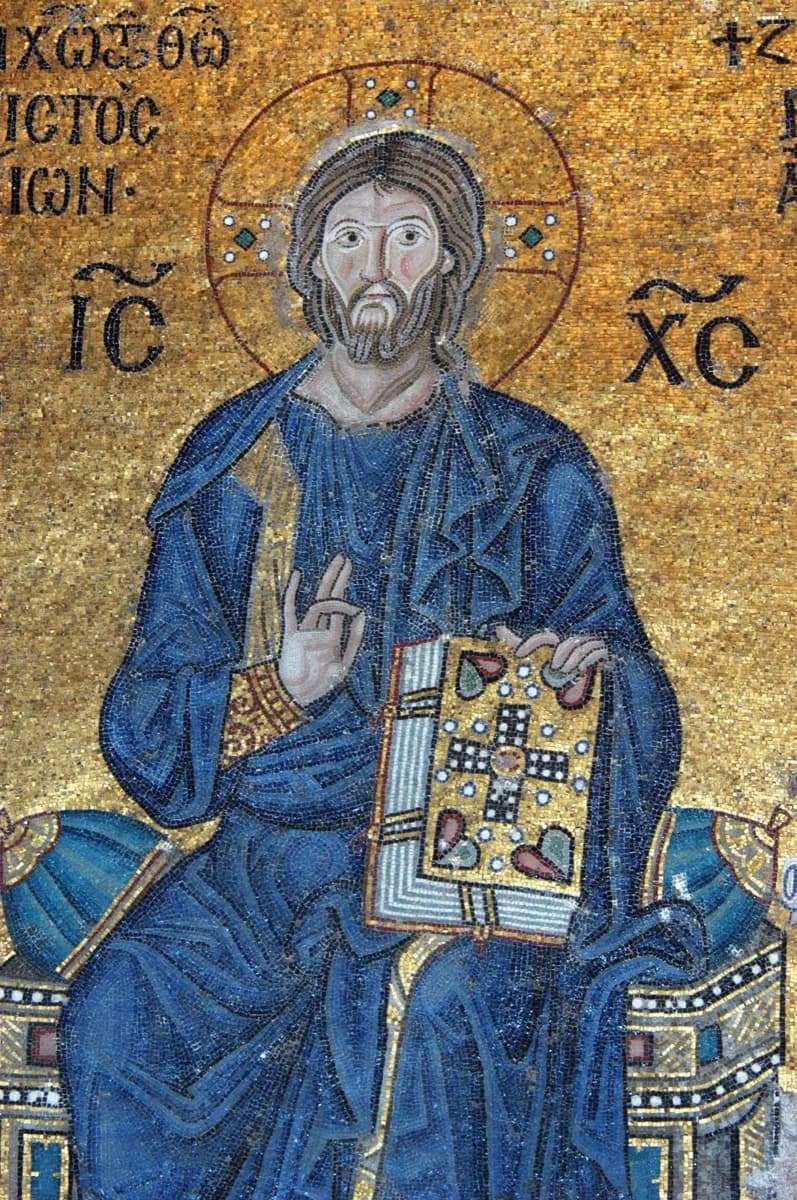
The museum connects devotional art with the building that once held it. Look for Cretan and Ionian-school icons, the richly worked ceiling and inscribed floor slabs, which preserve names and coats of arms from Corfu's past. The former church setting gives those works their local context.
What to look for
- Portable icons represent Cretan and early Ionian traditions.
- The nave has a decorated, gilded wooden ceiling.
- Inscribed stone floor slabs mark former burials.
The full story
The Byzantine Museum occupies the former church of the Holy Mother of God Antivouniotissa, probably built toward the end of the fifteenth century. The building retains a form characteristic of older Corfiot churches: a covered outer passage wraps around three sides, while the main nave has a timber roof. Its plain exterior makes the decorated interior more striking. Gilded woodwork divides the ceiling into panels, and the stone floor includes tomb slabs inscribed with names and coats of arms. These memorials connect the church to families, clergy and civic figures who used it over generations. In 1979 descendants of the founding families donated the church and its holdings on condition that it become a museum. The museum opened in 1984 after restoration. Its portable icons and other religious objects include work associated with the Cretan and early Ionian schools, allowing a visitor to see the art in an architectural setting closely related to its original use.
Useful to know
- Check the museum's current opening arrangements before making it the focus of a town walk.
- Give the church architecture and the icon collection equal attention.