
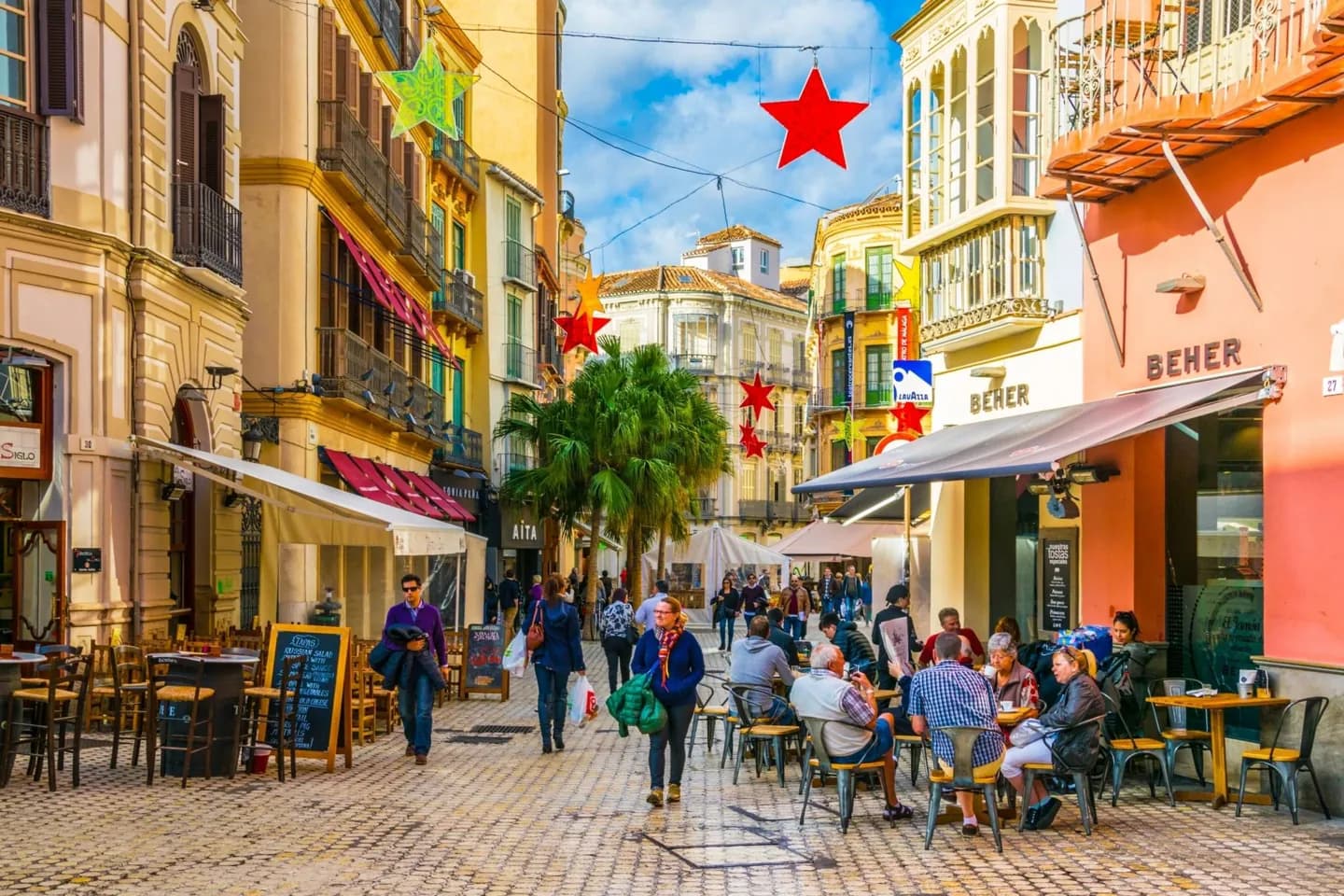
Why go
Plaza del Teatro and other spaces opened after church property was confiscated show how reform changed the old centre. The port and railway story explain Málaga's industrial reach, while the collapse of vineyards helps account for the economic hardship that followed the boom.
The full story
Málaga entered the nineteenth century under severe pressure. A yellow-fever epidemic in 1803–04 and the Peninsular War damaged the population and economy. Local political life became strongly tied to liberal movements, even as conflicts between reformers and royal absolutists continued. Industry and commerce then expanded, drawing on the port and improved railway connections across Andalusia. Wealthy industrial families gained influence, but that prosperity was uneven and fragile. In 1836, the confiscation of church property released land in the old centre for streets and squares. Plaza del Teatro occupies a former convent site, making a large political and urban change visible at street level. Later in the century, industrial decline and the phylloxera epidemic that destroyed regional vineyards deepened hardship. This is why Málaga's nineteenth-century buildings and open spaces tell a less simple story than a straightforward age of progress: civic ambition, social conflict and economic loss all shaped the city visitors see.
Useful to know
- Use Plaza del Teatro to connect an ordinary city square with the century's major urban reforms.
- Read the port and old centre together; nineteenth-century commerce depended on both.