
Why go
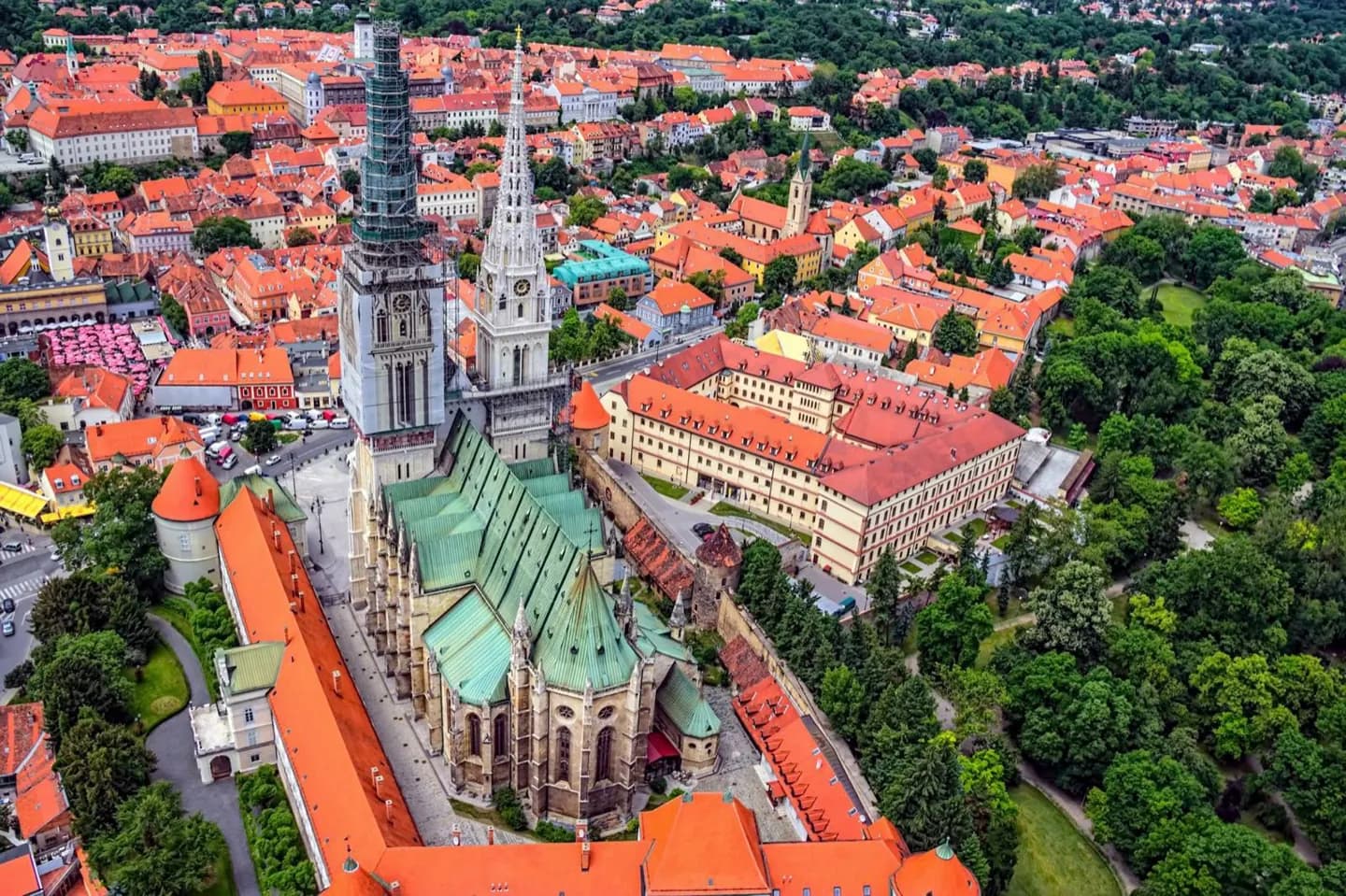
The country’s monuments are not from one continuous architectural moment. Diocletian’s Palace in Split gives the Roman period a physical scale, while Dubrovnik and other coastal cities show how communities developed after antiquity. Understanding those layers makes a walk through an old town far more legible.
The full story
Evidence of very early settlement survives in northern Croatia, including Neanderthal finds at Krapina. Greek colonies later appeared on islands such as Hvar and Vis. Roman rule left an especially visible mark in Split, where Emperor Diocletian built his retirement palace in the early fourth century. The palace was more than an isolated ruin: later urban life grew within and around its fabric. The arrival and formation of the Croats in the early medieval period remain subjects of historical debate, so a single origin story oversimplifies the record. A Croatian kingdom emerged by the tenth century. Later, the region's political ties shifted among Hungary, the Habsburg lands and coastal powers, helping explain why inland and Adriatic towns can look so different. Croatia then became part of Yugoslavia after the First World War and a federal republic after the Second. The Croatian Spring of 1971 expressed demands for greater language and political autonomy. Independence was declared in 1991 and followed by war. Reading these periods against actual streets and buildings is more useful than expecting one monument to tell the whole story.