
Why go
A meal can explain the landscape as clearly as a monument: coastal cooking favors fish, olive oil and herbs, while the interior brings meat, freshwater fish, paprika and slow-cooked dishes. Comparing Istria, Dalmatia and Slavonia makes everyday menus more legible and gives you a reason to try regional specialties instead of repeating the same order.
The full story
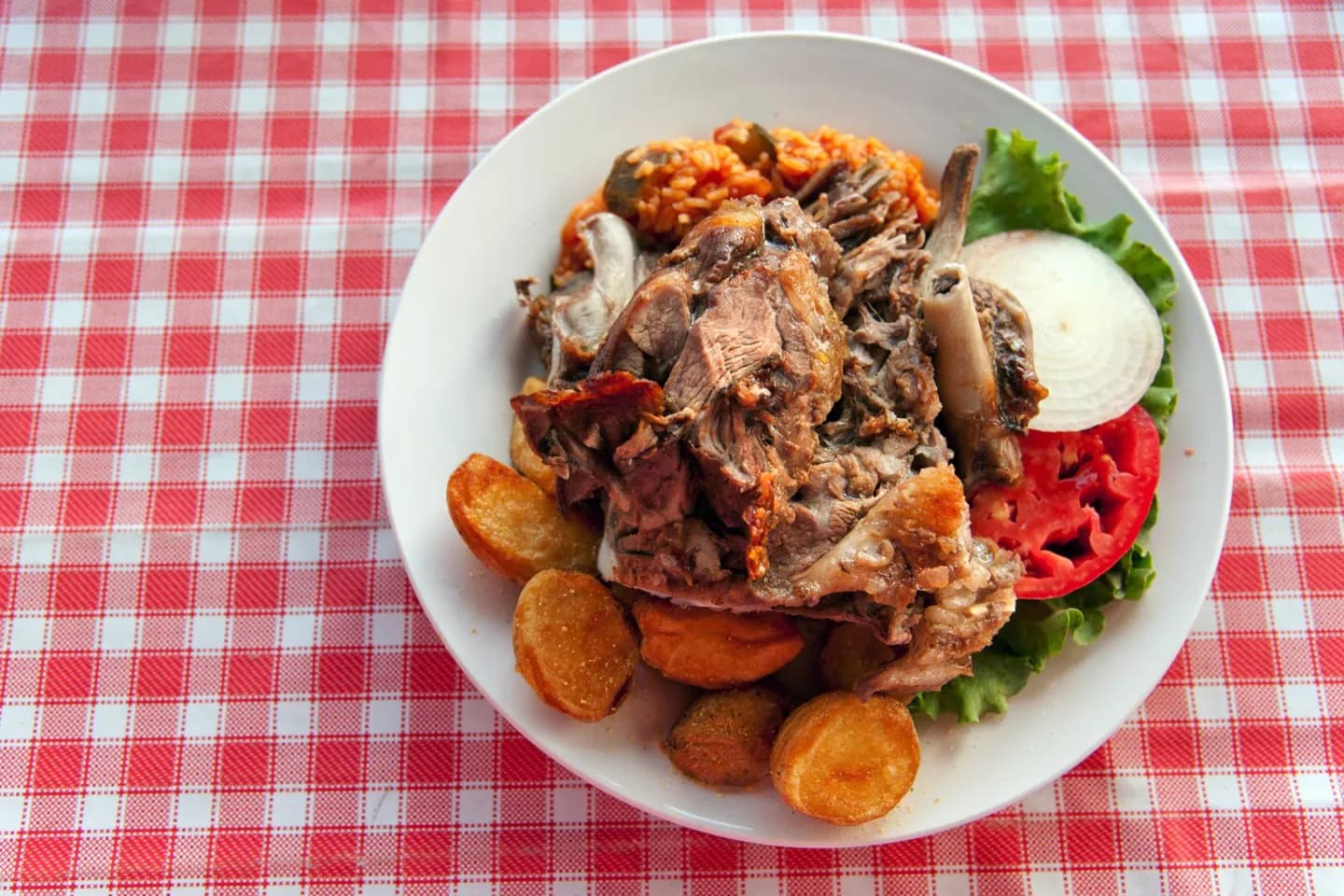
On the Adriatic, Dalmatian and Istrian cooking often uses fish, squid, octopus, olive oil, garlic and herbs. Inland cooking draws on meat, freshwater fish and stronger seasoning, with Hungarian, Austrian and Turkish influences. Dishes cross these regional borders. The cooking method can matter as much as the ingredient. Pod pekom means cooking slowly beneath a metal bell covered with hot coals; lamb, veal and octopus can all be prepared this way. Pasta and dough also vary. Dalmatian manistra na pome is pasta with tomato sauce, while potato dough becomes njoki or sweet and cheese-filled dumplings. Broth may start a family meal. Eastern inland cooking includes kulen, a spicy cured sausage, and čobanac, a paprika-seasoned meat stew. In central Croatia, try cheese-filled štrukli or purica s mlincima, roast turkey with thin baked pasta. Zagreb’s Dolac market is associated with sir i vrhnje, fresh cheese and cream. Lika and Gorski Kotar have traditions using mushrooms, berries, game and local cheeses. Along the coast, Istrian dishes include truffles and maneštra od bobić, a bean and corn soup. Dalmatian pršut is cured ham, and paški sir is sheep’s cheese from Pag. For a quick bite, burek is a filled pastry and ćevapčići are grilled minced-meat rolls. For dessert, look for custard-slice kremšnite or the rolled cakes orehnjača and makovnjača, filled with walnut and poppy seed respectively. Regional names and methods tell you more than a generic “traditional food” label.