
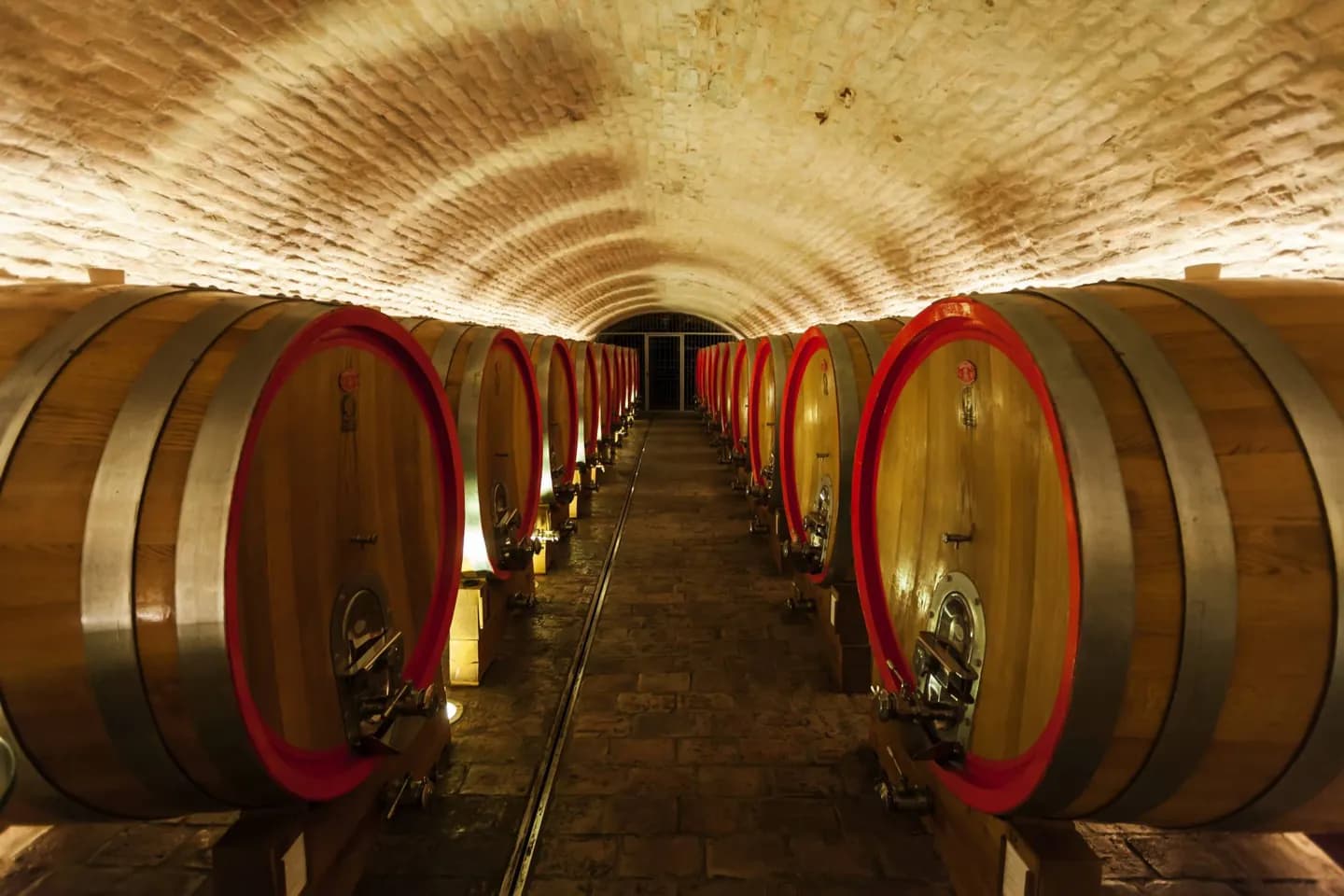
Why go
Wine offers another way to read Croatia's regional contrasts. Greek-era cultivation on Vis, Hvar and Korčula, Slavonian white wines, coastal styles and local ways of mixing wine with water all show that variety. Those details make a tasting more grounded than a list of bottles or rankings.
The full story
Wine growing on the Dalmatian islands reaches back to Greek settlement. Vis, Hvar and Korčula have long wine histories, and later Roman production left traces such as presses and amphorae. The point for a visitor is continuity: vineyards and local varieties belong to particular hills and islands, rather than to a single Croatian style. The regional contrast is useful at the table. The continental northeast, especially Slavonia, is associated with white wine. Istria and Krk sit in the northern coastal tradition, while southern Dalmatia has a tradition of Mediterranean-style reds. If a menu lists a local wine, ask which region it comes from before focusing on a label or vintage. Gemišt, white wine diluted with sparkling water, and bevanda, red wine with still water, are traditional ways of drinking wine with food. These are customs to recognize, not rules every restaurant follows.