
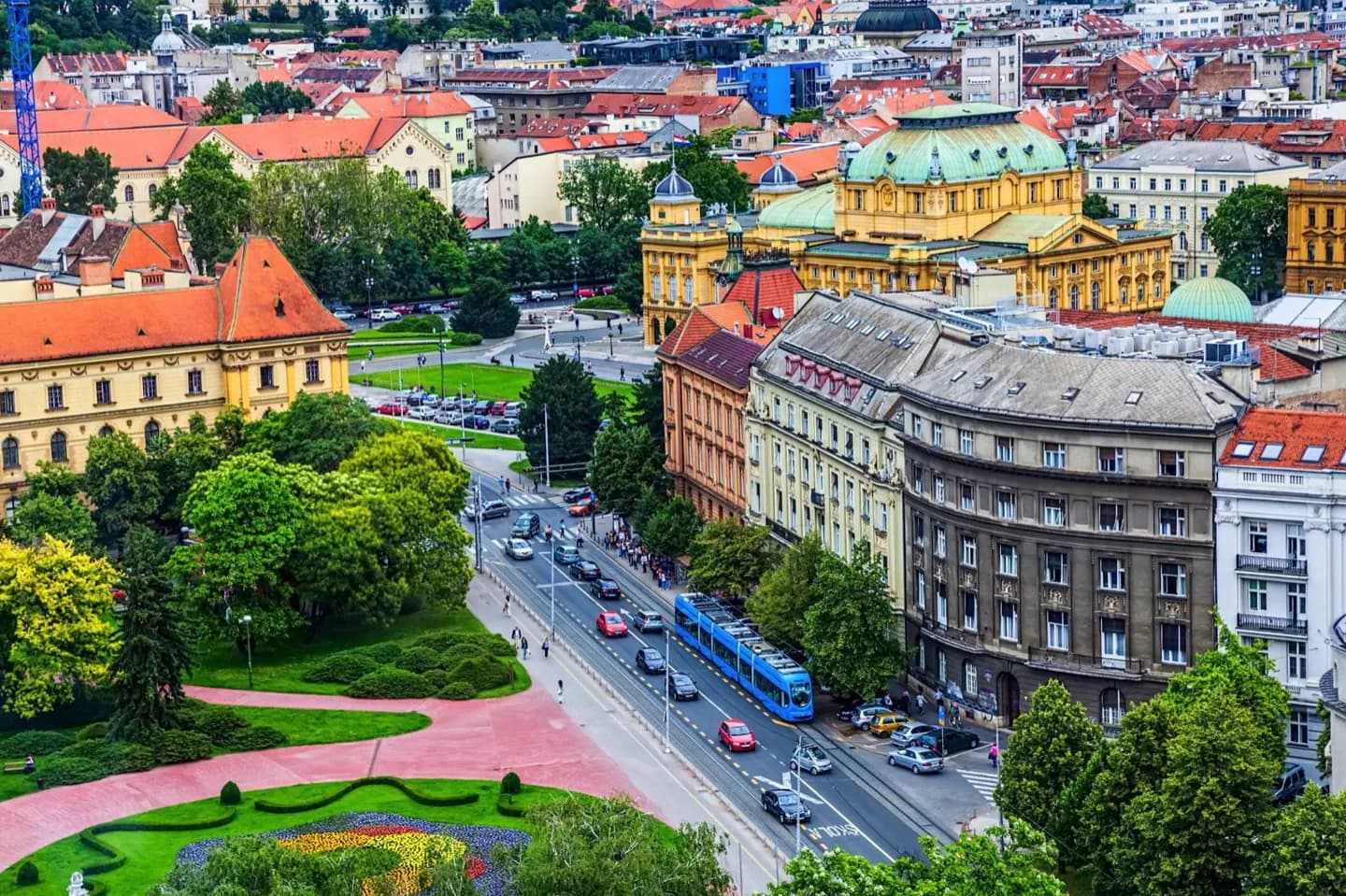
Why go
The country's shape makes a single transport rule unreliable. Rail can work for some inland and coastal city links, buses fill many intercity gaps, and ferries or catamarans are essential for many islands. A long Zagreb-to-Dubrovnik transfer asks a different question from a short island crossing, so compare each leg separately.
The full story
Begin with the map. Rail links several major Croatian cities, but Dubrovnik is not on the rail network. That makes a train-only plan for the far south unsuitable. Intercity buses provide another option between cities and for onward travel where rail ends. Check current timetables and journey times for the exact date rather than relying on an older comparison of speed or price. The islands require a second layer of planning. Ferries and catamarans connect coastal ports with island destinations, and their routes decide which bases combine easily. Work outward from the island you actually want, then confirm the port, sailing time and return before locking in accommodation. Domestic flights can be useful for a long end-to-end transfer, but airport time and luggage handling still matter. For a mixed itinerary, map each transfer before booking the next stay; a visually close island or town may require a change of service.