
Why go
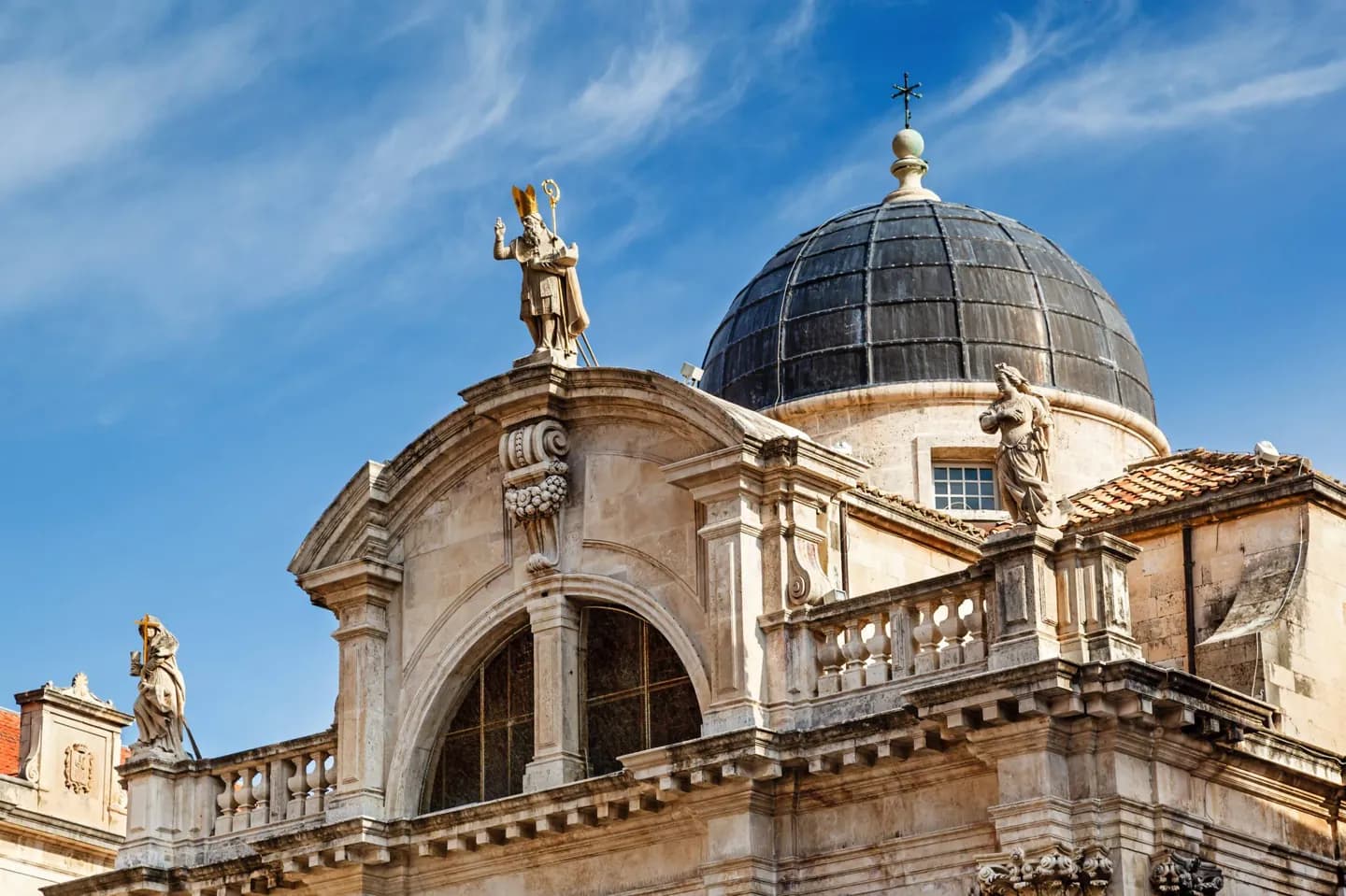
A first visit makes more sense when the country is viewed as several connected regions rather than a single coastal strip. Zagreb anchors the inland urban story; Split and Dubrovnik bring the long Adriatic history into view; Plitvice offers a landscape shaped by water and limestone.
The full story
Croatia sits between Central Europe, southeastern Europe and the Mediterranean. That meeting of regions is visible in the places a traveler chooses. Zagreb is the capital and a useful inland reference point. On the Adriatic, the coast and its many islands invite a different kind of route, with historic towns often taking more time than a simple beach stop. Behind the shore, the Dinaric mountains mark a strong change in terrain. Farther east, Slavonia opens into broad river plains. The country’s history is another reason to avoid treating every stop alike. Roman remains are central to Split, while later coastal towns show the influence of maritime powers. Inland towns reflect other Central European connections. A trip focused on architecture can therefore link very different settings, just as a nature trip can pair the coast with Plitvice’s lakes. Decide which contrast matters most, then give each region enough time to be more than a transfer between famous names.