
Why go
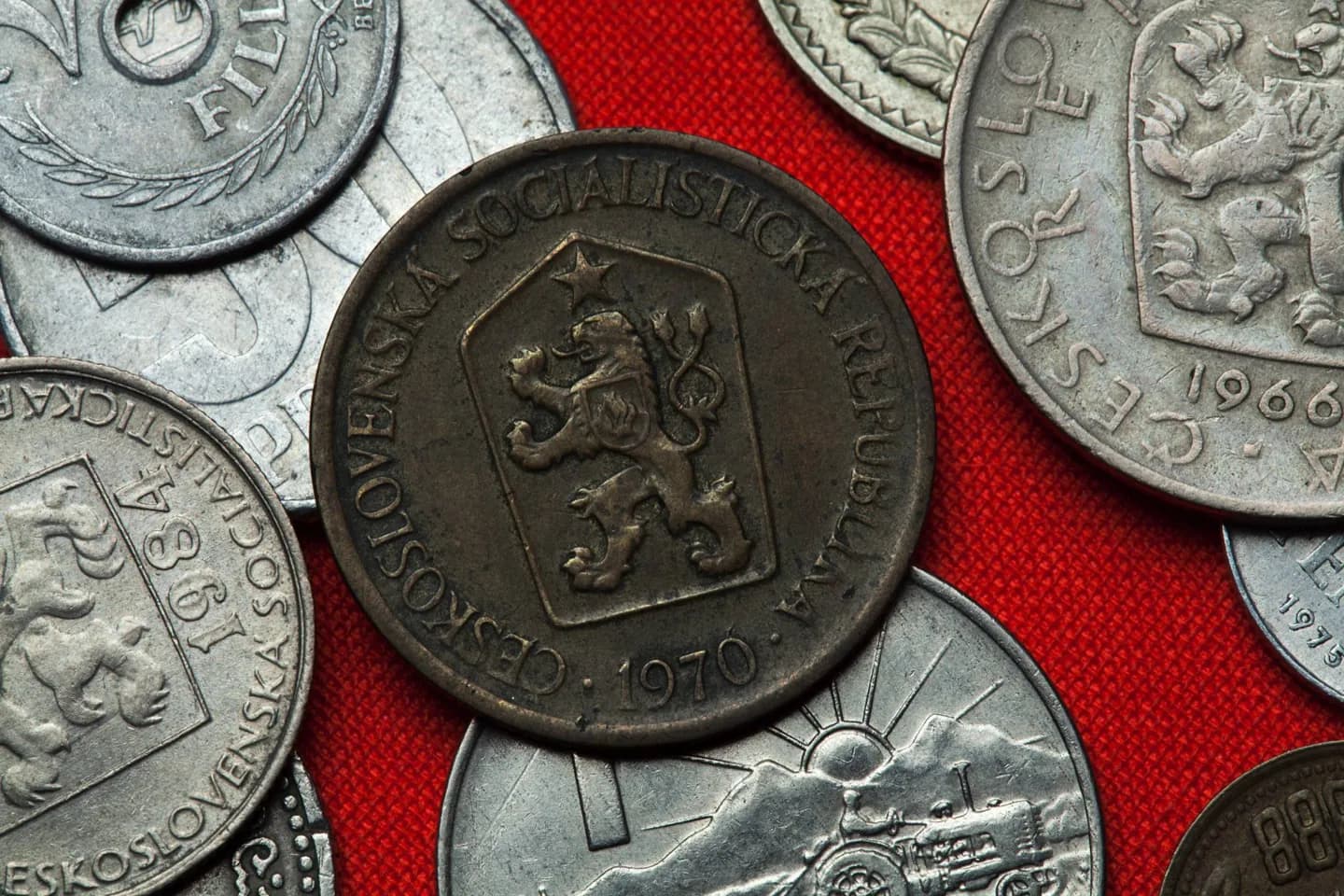
Czechoslovakia emerged after the First World War from Czech and Slovak movements for self-determination. Nazi occupation, postwar change and communist rule altered the state's course before the reform hopes of 1968 and the Velvet Revolution of 1989. The peaceful 1993 separation into Czech and Slovak republics explains why older sites and stories often carry a shared Czechoslovak name.
The full story
Czechoslovakia was formed in 1918 after the collapse of Habsburg rule, bringing Czech and Slovak lands into one state. The two populations had experienced different political conditions under the old monarchy, a distinction that helps explain why their shared state was never a simple merger of identical histories. The twentieth-century sequence also matters at sites across Czechia. Nazi occupation interrupted the interwar republic, and postwar change was followed by communist rule. Reform attempts in 1968, remembered as the Prague Spring, were halted by a Soviet-led invasion. The Velvet Revolution of 1989 then ended the Communist Party's monopoly on power while Czechoslovakia still existed. Czech and Slovak republics separated peacefully in 1993. A museum label, memorial or older place name may therefore refer to Czechoslovakia even when the site now lies in the Czech Republic. Reading the date alongside the name keeps these layers distinct.