
Why go
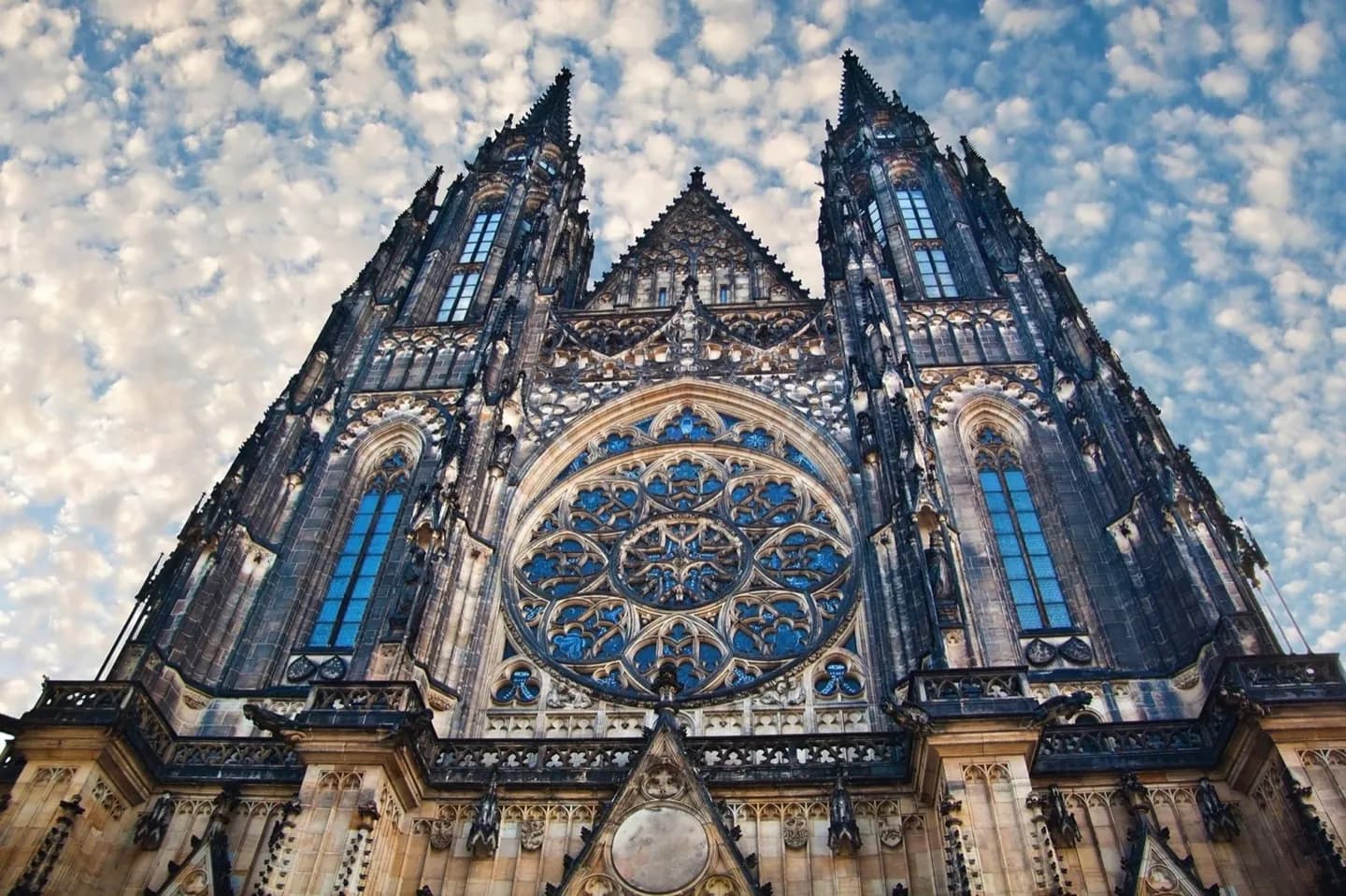
Prague Castle carries medieval work associated with Charles IV's architects, while its Royal Summer Palace shows Renaissance taste for gardens and ordered spaces. Later Baroque building reshaped many Bohemian settings. Prague's Municipal House and main railway station introduce Art Nouveau, and Brno's Villa Tugendhat shows a modernist break from those earlier styles.
The full story
The Czech architectural landscape is layered, so a single city walk can cross several periods. At Prague Castle, medieval building reflects the Gothic ambitions of Charles IV’s court; the Royal Summer Palace and its garden show the later Renaissance preference for ordered space. Renaissance châteaux elsewhere often use open arcaded courtyards rather than fortress-like enclosure. Baroque architects then reshaped churches and aristocratic settings across Bohemia. In Prague, Municipal House and the main railway station offer two public examples of Art Nouveau at the turn of the twentieth century. Brno’s Villa Tugendhat makes the modernist departure especially clear through a very different treatment of space and ornament. Compare materials, courtyards and façades rather than trying to assign a whole town one style. Many buildings combine old structures with later additions or revivals.