
Why go
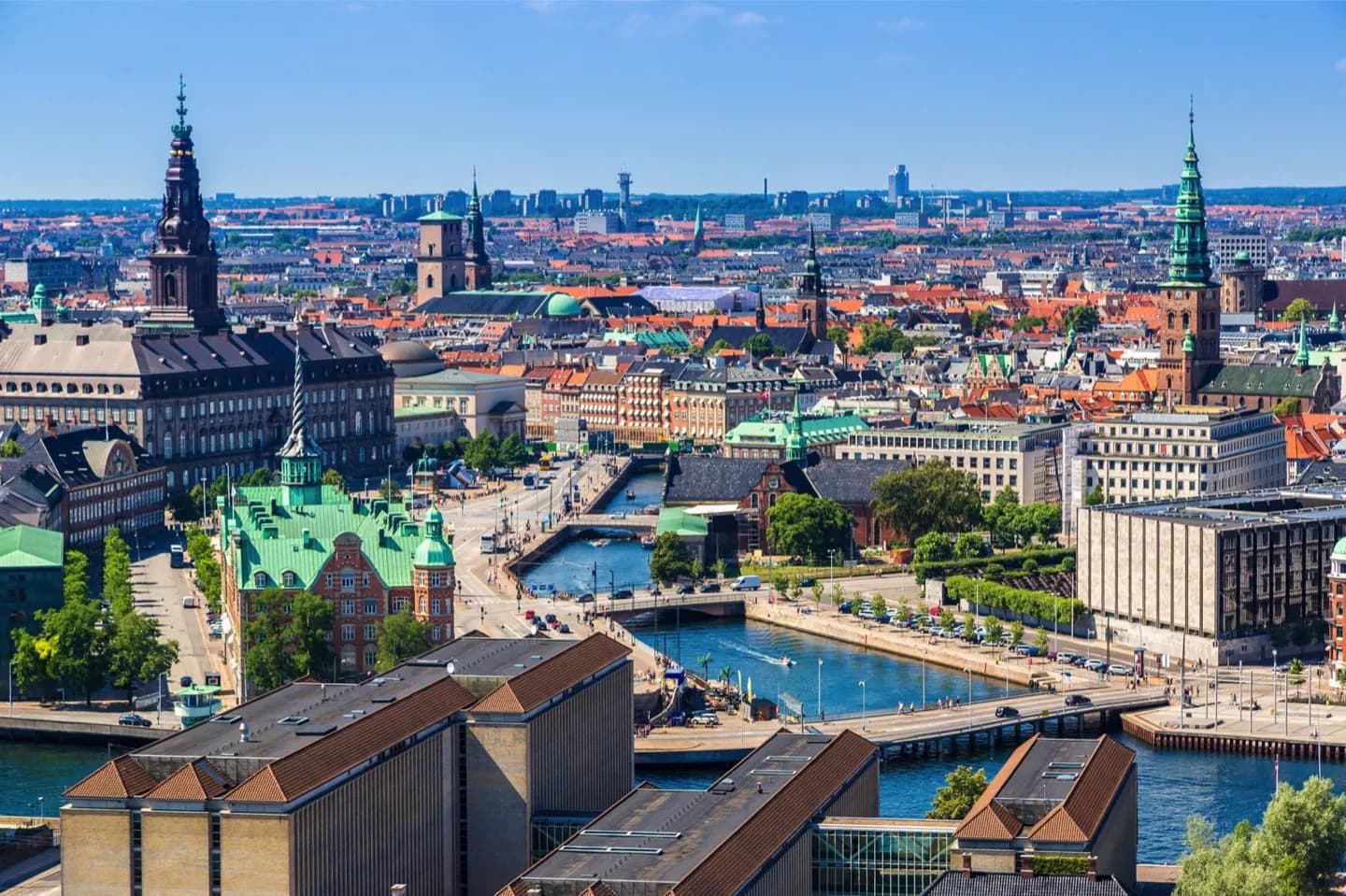
Copenhagen shows its past in unusually varied streets: Christian IV's Rosenborg Castle and Round Tower, the palace fronts of Frederiksstaden, and later waterfront development. Tivoli Gardens adds a very different city experience. The compact historic centre gives visitors several strong choices without reducing the city to one landmark.
What to look for
- Rosenborg Castle and the Round Tower recall Christian IV's city.
- The palace fronts and broad streets of Frederiksstaden contrast with older lanes.
- Bridges and promenades connect the city's waterfront districts.
The full story
Copenhagen began as a fishing settlement and rose to prominence as the capital of the Danish and Norwegian kingdoms. In the seventeenth century, Christian IV funded buildings and fortifications that still help shape the old centre; Rosenborg Castle and the Round Tower are clear places to see that ambition. Fire, disease and war later forced the city to rebuild. The planned district of Frederiksstaden and the city's neoclassical buildings show different stages of that rebuilding. Today, the old centre is only one part of the visit. Bridges, parks and promenades lead toward newer waterfront districts, while the Øresund crossing connects the wider urban region with Malmö in Sweden. Exploring by district makes these layers easier to read than moving from landmark to landmark across the map.
Useful to know
- Group the central royal sites by neighbourhood rather than crossing the city repeatedly.
- Leave separate time for Tivoli Gardens if its rides and planted paths appeal.