
Why go
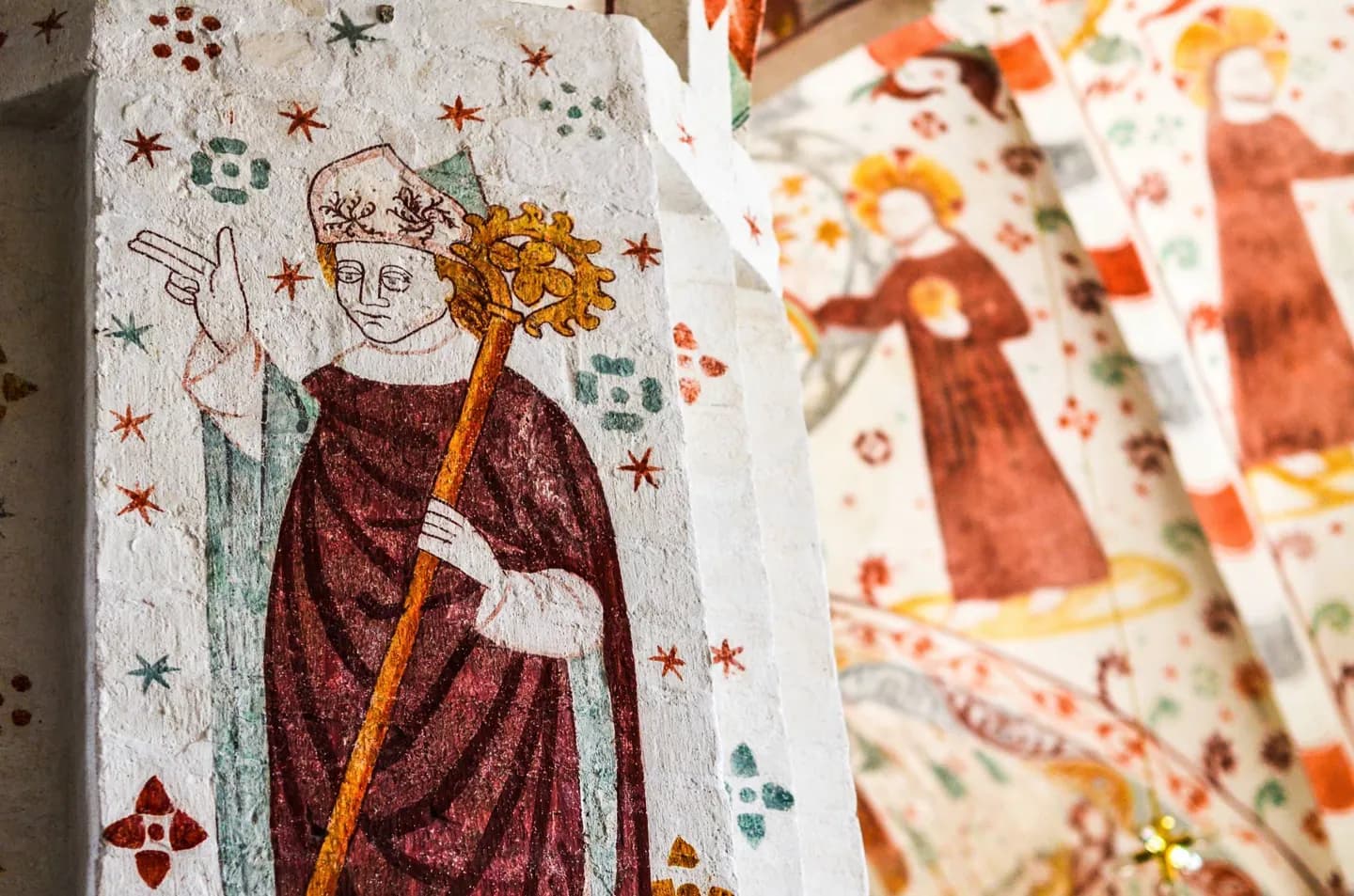
Churches are among the clearest places to trace Danish history, from medieval buildings to the changes brought by the Reformation in 1536. Understanding that shift makes a cathedral or parish church more than an architectural stop and gives its later fittings context.
The full story
Christianity became closely tied to Danish kingship in the Viking age, a change recorded at Jelling. Medieval churches and cathedrals then became central features of towns and villages. The Lutheran Reformation in 1536 changed church authority and brought religious institutions under the crown. Denmark's national Lutheran church remains part of the country's constitutional framework. A visitor can see this long history at places such as Roskilde Cathedral and in the many parish churches scattered through the countryside. The building may be older than its later fittings or religious use, so architecture and worship history do not always belong to one period. Copenhagen also has a Jewish history reaching back to the seventeenth century, and modern Denmark includes Muslim and other religious communities. Membership figures and surveys change, so they are a poor shortcut to what any Dane believes. Use a church or religious site to understand its own history and community, then place it within the wider, varied religious life of Denmark.