
Why go
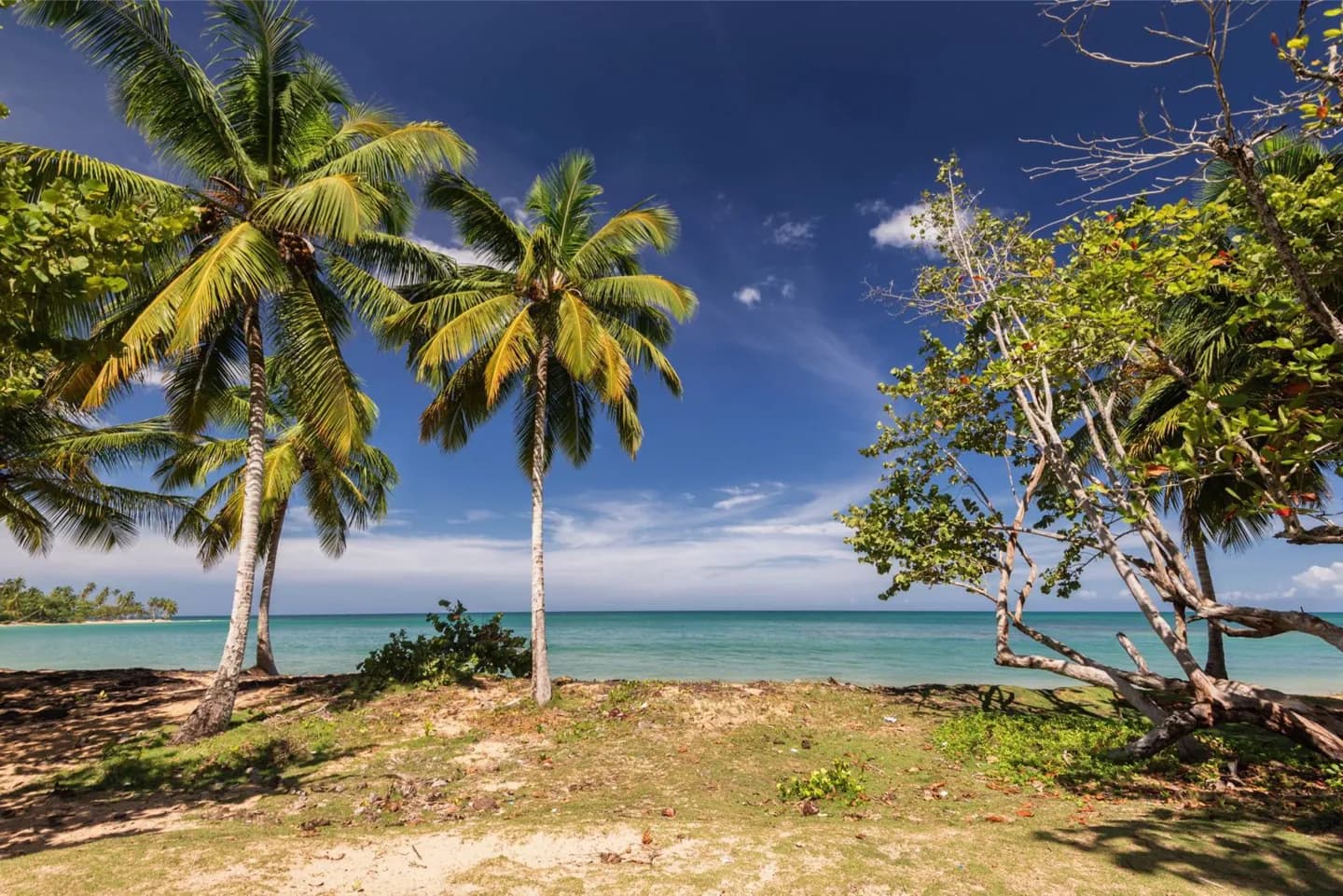
The island's north shore has mangrove stretches, while sandy coves lie to the west. Inland limestone has eroded into sharp rock, sinkholes and other rough forms. Archaeological finds, including large conch piles, point to earlier Taíno use; later, salt extraction and cattle left different layers of history. This is a remote protected island, so its value for most travelers may be understanding Jaragua's geography rather than assuming an easy landing.
What to look for
- Mangroves on the north shore contrast with western sandy coves.
- Eroded limestone creates sharp rock surfaces and sinkholes.
- Conch piles are evidence of earlier Taíno presence.
Useful to know
- Check current park permissions and boat arrangements before planning to land.